 Tendata AI
  Exhibition
 B2B Platforms
 Standalone Website
 Social Media
 Emails
 Market Insights
 2025-07-18
Indonesia imported 16,200 tons of whey protein last year. See growth trends and buyer profiles of whey protein market in Indonesia.
Total Whey Protein Imports (HS Code 040410: $69.3 million (representing 83.2% of the dairy protein import category)
Average Price: $4.28/kg (Compared to U.S. average price of $3.82/kg, Indonesia's import price reflects premium demand for high-spec food-grade protein.)
In 2024, Indonesia's appetite for nutritional supplements, functional food ingredients, and fitness-related products continued to expand. Whey protein stands out as a high-growth subcategory in the dairy-based product segment, driven by health trends, increased gym memberships, and food manufacturers reformulating with cleaner, high-protein ingredients.
Demand Drivers:
Health & Wellness Trends: A growing middle class in Indonesia is prioritizing health, with gym culture and supplement use on the rise, especially in urban centers like Jakarta and Surabaya.
Food & Beverage Innovation: Indonesian manufacturers are integrating whey protein into RTD (ready-to-drink) beverages, high-protein snacks, bakery mixes, and dairy-alternative products.
Infant Nutrition: Local baby formula manufacturers increasingly rely on whey derivatives to meet evolving product specs and nutritional guidelines.
Buyer Segmentation:
57% of imports Distributors account for over half of Indonesia's whey protein imports, typically placing repeat orders and working closely with international suppliers. These businesses often supply retail chains, sports nutrition brands, and SME manufacturers.
Focus on B2B distributors with existing cold chain or warehouse capacity—many repackage imported whey into consumer-ready formats.
38% of imports Domestic producers of nutritional beverages, protein bars, and infant formula rely on consistent-quality whey imports. These buyers prioritize specifications like protein concentration (WPC80 vs. WPI), microbiological safety, and flavor neutrality.
Tailor your samples and product documentation to local industry needs—Halal certification is often essential.
Retail Chains, Import Agents: 5% Smaller players include pharmacies, e-commerce platforms, and bulk-buying agents, often looking for private-label supply deals.
>>>>Get Whey Protein Market Report<<<<
Top Supplier Countries:
United States (36.5% market share)
U.S. whey dominates Indonesia’s high-spec market thanks to USDA oversight, attractive pricing, and a strong presence in WPC80 and WPI categories.
Germany (22.4%)
German suppliers are popular among infant formula manufacturers for their premium-grade whey ingredients and strong EU food safety reputation.
New Zealand (18.9%)
Known for clean-label and grass-fed protein claims, New Zealand maintains its niche among health-conscious buyers and brands pushing natural formulations.
U.S. and EU producers hold over 70% of Indonesia's whey protein market share, signaling trust in quality and compliance over cost alone.
>>>> Know more about Whey Protein Market <<<<
Use Tendata's Indonesia HS Code 040410 Reports to track quarterly shifts in import volume, price per kg, buyer growth, and seasonal demand surges (notably around Q2–Q3 when supplement sales peak).
These reports help identify:
Top 50 importers by shipment volume
Monthly price trends and outlier deals
Supplier-buyer connection networks
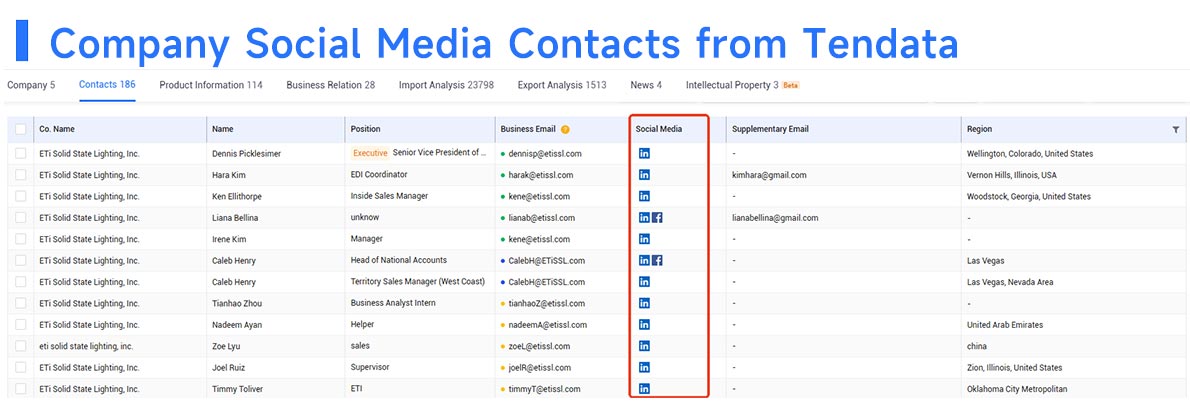
With a steady 11.3% YoY increase in whey protein imports and rising consumer demand, Indonesia presents high potential for international suppliers—especially those offering Halal-certified, premium-grade, or specialty whey variants (like hydrolyzed or flavored).
Whether you're a bulk exporter or a B2B supplement brand, tapping into this market now—with the right local partner—can position your business at the forefront of Indonesia's booming wellness economy.
Category
Leave Message for Demo Request or Questions