
 Tendata AI
  Exhibition
 B2B Platforms
 Standalone Website
 Social Media
 Emails
 Export News
 2025-10-22
If your goal today is to proactively develop clients, the very first challenge is sourcing prospects — how do you find the right companies?
Quick tip up front: starting cold on Google or brand-new platforms is usually inefficient. Finding truly relevant prospects and their accurate email addresses takes a lot of time, and if you're inexperienced it's easy to get discouraged and give up. So take a step-by-step approach: begin with the easiest opportunities and work your way up. Here's a recommended sequence.

Early groundwork (from easiest to hardest)
1) Ask colleagues, your boss, or review past contacts
Start by reaching out to people your company has previously contacted — clients who showed interest but didn't convert, or partners you worked with briefly. These leads are the lowest-friction: they already know your company or have some impression of you, so reconnecting feels natural and conversion is more likely. (Tip: begin with smaller accounts — big customers require longer sales cycles and aren't ideal for initial wins.)
Difficulty: 1 / easy
2) Use trade-show business cards and company records
If your company has exhibited before, ask for the stack of leads gathered at the booth or request the show contacts from your manager. These attendees visited your stand, so they are relevant and give you a concrete reason to reach out.
Difficulty: 2 / moderate
3) Download exhibitor or visitor lists (e.g., Canton Fair) from the web
Public exhibitor directories are generally reliable but require careful filtering. These people won't recognize you, so outreach needs to be more thoughtful.
Difficulty: 3 / harder
If you can make progress using these three routes, you'll build momentum and confidence — then you can expand into more time-consuming prospecting like hunting email addresses and cold outreach. If you skip the basics, you risk early frustration and quitting.
Which channels to use next
1) Google
Google remains the go-to tool for business development. How to search effectively, refine queries, and extract contacts can fill many articles — if you want deep tactics, consult focused guides — but in short: learn advanced search operators and company-research techniques for best results.
2) Trade data
Customs datasets let you pull real import/export records: transaction dates, buyers, suppliers, products and HS codes, and shipment details. This is powerful for:
·discovering who your competitors sell to,
·analyzing market demand,
·monitoring your existing clients' activity,
·and identifying new, active importers.
Think this way: your competitor's buyers are potential customers for you. Combine company names, bills of lading, customs declarations, and web search to identify high-potential buyers and collect contact info (including emails where possible).
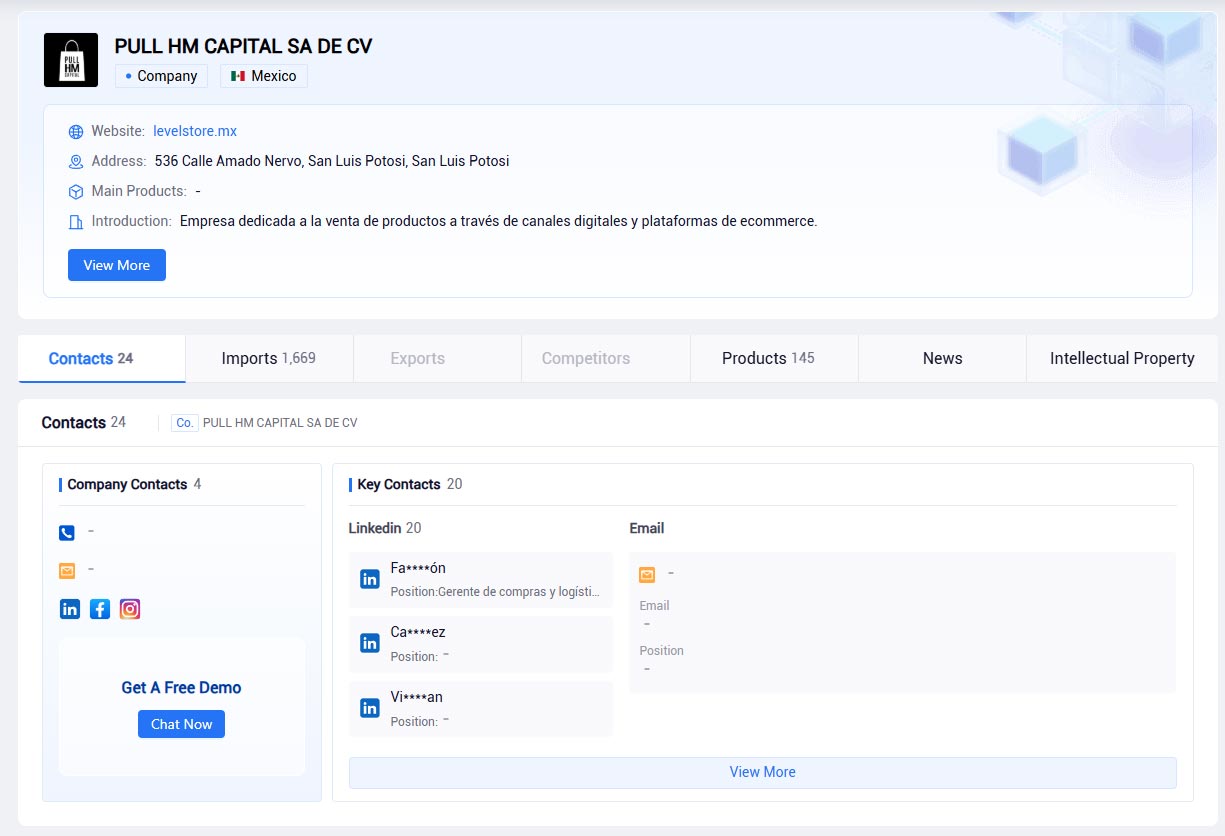
How to approach a target using trade data:
1.Compare the buyer's current product specs with your offerings to spot competitive advantages.
2.Tailor a product pitch that highlights those specific advantages.
3.Show how your product meets the buyer's country-specific certifications or standards.
4.Locate the responsible decision-maker's email and contact details.
3) Free B2B platforms
There are many complimentary B2B directories that can supplement your research and help build lists.
Final advice
Move step-by-step. Master one channel, win some initial customers, then broaden your methods. Build confidence through small wins before taking on bigger, more difficult prospecting challenges.
Category
Leave Message for Demo Request or Questions