 Tendata AI
  Exhibition
 B2B Platforms
 Standalone Website
 Social Media
 Emails
 Export News
 2026-04-27
Key Points
Finding reliable suppliers of bulk dried and dehydrated fruits starts with identifying active producers, exporters, and wholesalers rather than relying on random online listings.
A data-driven sourcing approach helps buyers filter suppliers by product type, export history, country of origin, and shipment activity.
Tendata can support this process by helping users search trade data and discover suppliers that already have proven market activity.
Reliable dried fruit suppliers usually have clear product categories, strong food safety standards, and a consistent supply chain.
Buyers should verify supplier credibility by checking company websites, certifications, product specifications, and customer feedback.
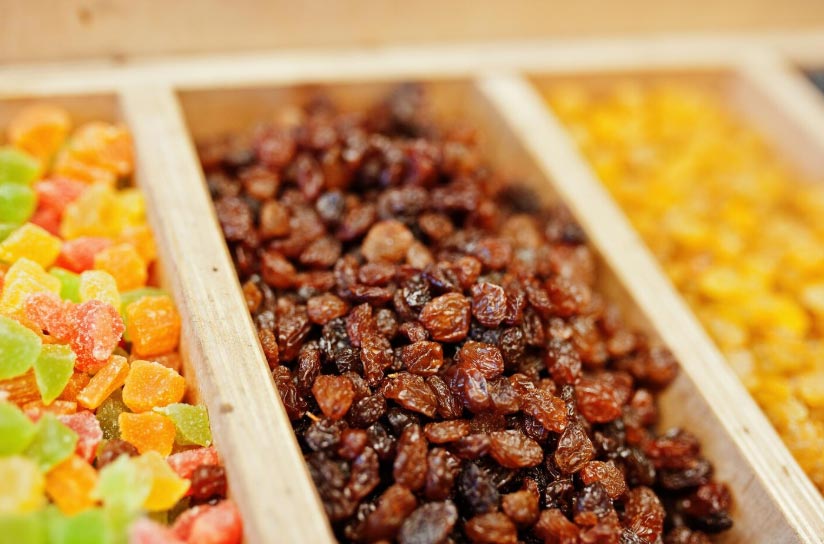
Bulk dried and dehydrated fruit suppliers may specialize in raisins, dates, apricots, mango, banana, apple, berries, or mixed fruit products.
Important sourcing factors include MOQ, shelf life, packaging format, storage conditions, and logistics capability.
Paid trade data can provide deeper insights such as shipment patterns, buyer relationships, and export destinations, which are useful for supplier validation.
Introduce
How Can I Find Reliable Suppliers of Bulk Dried and Dehydrated Fruits?
For food manufacturers and distributors, the question "how can I find reliable suppliers of bulk dried and dehydrated fruits?" is critical for ensuring supply chain stability and product quality. Sourcing ingredients like dried mangoes, apple rings, or dehydrated berries requires more than just a Google search; it demands a data-driven verification strategy. This guide leverages the Tendata database to answer "how can I find reliable suppliers of bulk dried and dehydrated fruits?" through transaction-level intelligence and market analysis.
A: Verification Framework for Dried Fruit Suppliers Using Tendata
| Verification Dimension | Key Metrics in Tendata | Reliability Threshold | Risk Indicators 🚩 |
|---|---|---|---|
| Trade History | Export shipment frequency (last 36 months) | ≥12 consecutive months of activity | Gaps >6 months, seasonal-only spikes |
| Product Specialization | HS Code concentration (0813, 0804-0806) | ≥70% of exports in dried fruit categories | Diversified into unrelated goods (e.g., electronics) |
| Volume Consistency | Average shipment weight/value | Stable or growing trend | Erratic shipment sizes (indicates trading vs. manufacturing) |
| Market Reach | Number of destination countries | ≥3 major markets (e.g., USA, EU, Asia) | Single-country dependency |
| Company Status | Registration date, operational status | Established ≥5 years, "Active" status | Recently registered, unclear ownership |
Table 2: Sourcing Channels Comparison for Bulk Dried Fruits
| Channel Type | Platform/Resource | Data Authority | Cost | Best For |
|---|---|---|---|---|
| Trade Intelligence Database | Tendata, Panjiva, ImportGenius | ★★★★★ (Highest) | Paid | Finding reliable suppliers of bulk dried and dehydrated fruits with verified export records |
| B2B Marketplaces | Alibaba, GlobalSources, TradeWheel | ★★★☆☆ (Medium) | Free/Premium | Initial lead generation |
| Government Customs Data | National Customs Portals | ★★★★☆ (High) | Free | Cross-verification of reliable suppliers |
| Industry Associations | Dried Fruit Associations, Food Safety Boards | ★★★★☆ (High) | Membership Fee | Certified bulk dried fruit suppliers |
Summary Analysis: How Can I Find Reliable Suppliers of Bulk Dried and Dehydrated Fruits?
To effectively answer "how can I find reliable suppliers of bulk dried and dehydrated fruits?", businesses must move beyond basic online searches and adopt a data-centric verification strategy. The Tendata database provides the transaction-level intelligence necessary to distinguish genuine manufacturers from intermediaries. When evaluating potential partners, the key lies in analyzing their export consistency over the last 36 months; reliable suppliers of bulk dried and dehydrated fruits will show continuous shipment records rather than sporadic spikes, indicating stable production capacity and supply chain resilience.
Furthermore, product specialization is a critical indicator. By filtering for HS codes 0813 (Dried fruit) and 0804-0806 (Dried dates, figs, citrus, grapes), you can identify companies where dried fruit accounts for ≥70% of their export portfolio. This focus suggests deep expertise in processing, drying technologies, and quality control, which are essential for maintaining the shelf-life and safety of bulk ingredients. Additionally, a diversified buyer base across multiple regions (e.g., North America, EU, Asia) often correlates with higher compliance standards, such as HACCP, ISO 22000, and FDA registration.
Strategic Recommendation: The most robust workflow to solve "how can I find reliable suppliers of bulk dried and dehydrated fruits?" involves a three-step process:
Identify: Use Tendata to shortlist exporters with ≥12 months of active trade history and high HS code concentration.
Validate: Cross-reference these candidates with government customs data and request recent Bills of Lading to verify shipment volumes.
Audit: Conduct third-party factory inspections (SGS/BV) to confirm processing capabilities and food safety certifications.
By following this structured approach, importers can significantly reduce sourcing risks and establish long-term partnerships with verified, reliable suppliers of bulk dried and dehydrated fruits.
FAQ
1. How can I find reliable suppliers of bulk dried and dehydrated fruits?
You can find reliable suppliers by using trade data platforms, wholesale directories, and supplier websites to identify active exporters and manufacturers. Then verify their business background, product quality, and trade history before contacting them.
2. Why is a data-driven approach important for sourcing dried fruits?
A data-driven approach helps you focus on suppliers that already have real export activity. This reduces risk and saves time compared with searching through unverified online listings.
3. How can Tendata help me find dried fruit suppliers?
Tendata can help you identify suppliers through structured trade data, shipment records, and company profiles. This makes it easier to find bulk dried and dehydrated fruit suppliers with proven market activity.
4. What types of dried and dehydrated fruits are commonly available in bulk?
Common bulk products include raisins, dates, figs, apricots, mango, apple, banana, blueberries, cranberries, and mixed dried fruit. Some suppliers also offer freeze-dried or organic options.
5. How do I know if a dried fruit supplier is trustworthy?
Check whether the supplier has a professional website, food safety certifications, export experience, and clear product information. You should also review their responsiveness and ask for samples or documentation.
6. What should I ask before placing a bulk order?
Ask about MOQ, shelf life, packaging options, storage requirements, pricing, and shipping terms. These details help you evaluate whether the supplier can meet your business needs.
7. Is paid trade data more useful than free supplier searches?
Yes, paid trade data is usually more useful because it provides deeper company insights, shipment trends, and export activity. Free searches are useful for discovery, but they often lack reliability and detail.
8. What factors matter most when choosing a dried fruit supplier?
You should look at product quality, food safety compliance, supply consistency, logistics support, and market experience. These factors are especially important for bulk food sourcing.
Category
Leave Message for Demo Request or Questions