 Tendata AI
  Exhibition
 B2B Platforms
 Standalone Website
 Social Media
 Emails
 Trade Data Provider
 2026-07-24
Since founding my own foreign trade company more than 11 years ago, I've tried almost every customer acquisition method available—online and offline.
From B2B platforms and trade shows to Google search, social media outreach, email marketing, and customs data, I've tested them all. Some worked well. Some taught me hard lessons.
In the early years, our main channels were B2B platforms, trade shows, and Google search. We did win several customers during that period, but most of them were small-volume buyers. The orders were limited in size, the margins were thin, and the clients often required a lot of time and follow-up.
Small orders can be useful in the beginning, but they usually come with more complexity than value.

Why We Shifted to In-Person Visits
Starting in year three, I began visiting customers overseas.
Those in-person visits made up only about 10% of my total customer base, but they generated more than 70% of our total profit.
Why? Because these were usually large wholesale buyers and procurement companies.
Their orders were measured in containers, not cartons:
· One or two containers per order, sometimes five or six
· Faster repeat business, sometimes monthly
· Consistent specifications and order patterns
· Higher order values with less operational chaos
These customers were valuable not just because they bought more, but because they bought more predictably.
Why Overseas Visits Became Less Efficient
In recent years, I've traveled overseas less often. People often ask why.
The answer is simple: the economics have changed.
In the past, I would travel directly to a country, use Google Maps to search for major local importers and wholesalers, collect contact details, and arrange face-to-face visits.
But that approach has become less cost-effective over time.
Many competitors now do the pre-qualification work in advance:
· They contact prospects by phone or email first
· They send samples before visiting
· They invite buyers to their office only after building some trust
· Some even use livestreaming and virtual product demos to skip the visit altogether
As a result, the success rate of a cold in-person visit is no longer what it used to be.
Why B2B Platforms Still Matter
If you only measure customer volume, B2B platforms are still highly effective.
But if you care about customer quality, order size, and long-term value, the real question is different:
How do you find buyers who actually have ongoing purchasing needs and the capacity to import consistently?
And that is where many exporters waste time.
Searching blindly on Google Maps and visiting companies one by one is extremely time-consuming. It often leads to low efficiency and weak targeting.
Why Customs Data Changed the Game
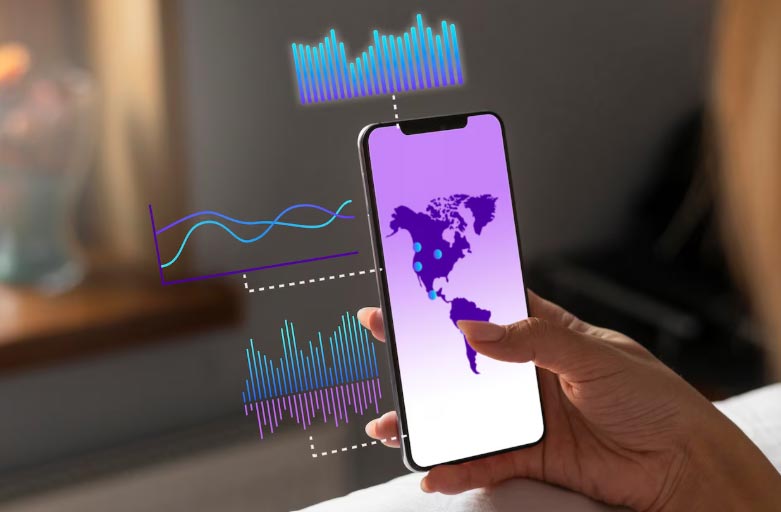
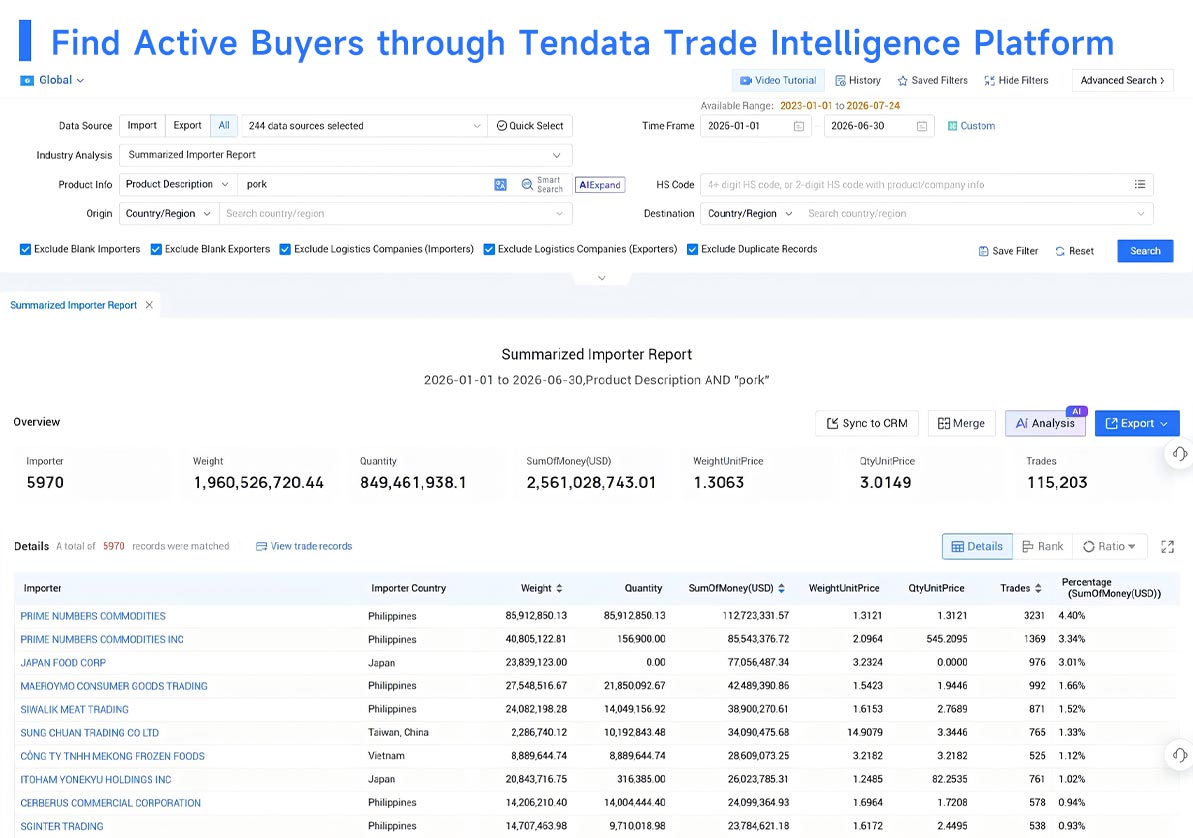
Today, I use customs data to identify potential customers.
Instead of guessing which companies might be buying, I look at which companies in a target market have already placed large, repeated import orders for similar products.
The best customers are usually not small one-time buyers. They are: Wholesalers, Importers, Large procurement companies
These are the businesses with real import history, real demand, and real repeat potential.
With customs data, I can quickly answer questions that used to take hours or days to verify:
· Is this company actually an importer?
· Have they purchased similar products before?
· How much do they buy?
· Which countries do they source from?
· Do they buy consistently over time?
· That changes everything.
Instead of searching blindly for leads, you can go straight to buyers who have already proven demand in the market.
And when the market has already validated their purchasing behavior, the probability of successful outreach goes up naturally.
This is now my preferred way to find buyers with real import capability and long-term potential.
Why I Recommend Data-Driven Prospecting
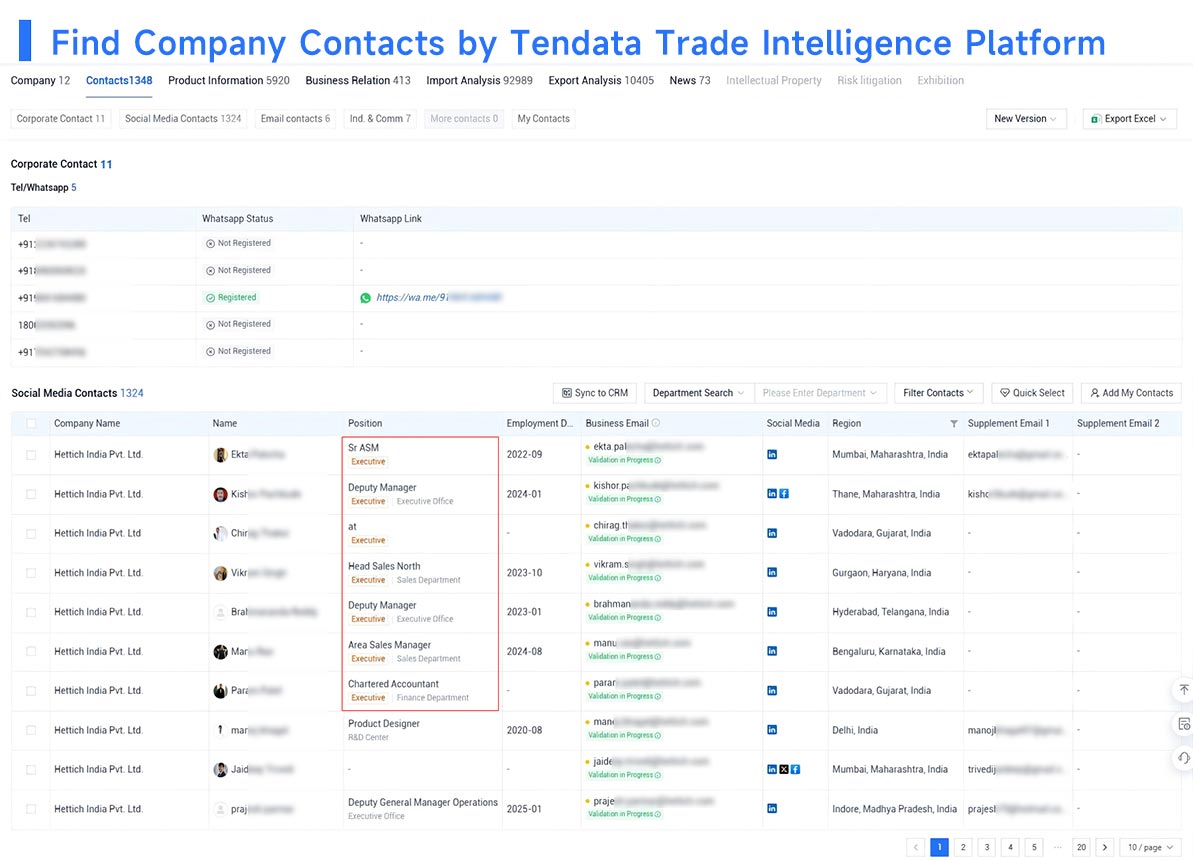
Over the past few years, I've used precise trade data to identify and develop a large number of overseas buyers. Many of them have become long-term customers.
That's why I now strongly recommend customs data for export lead generation.
While many exporters are still spending heavily on overseas visits and wondering why the conversion rate is low, trade data already tells you:
· Who the customer is
· What they bought
· How often they buy
· Who they currently buy from
· Whether they are worth prioritizing
The New Reality of Export Sales
The core of export competition is no longer about who sends more emails.
It's about who can find buyers faster—and focus on the ones that truly matter.
In the past, large customers were often found through overseas visits.
Today, large customers are hidden inside global trade data.
Find them first. Then build the relationship with a professional outreach strategy.
That is the future of export customer acquisition.
Category
Leave Message for Demo Request or Questions