
 Tendata AI
  Exhibition
 B2B Platforms
 Standalone Website
 Social Media
 Emails
 Trade Data Provider
 2026-07-24
In global trade, every shipment tells a story. A shipment can reveal where demand is growing, which suppliers are gaining market share, how buyers adjust their sourcing strategies, and which products are becoming more competitive. For businesses that know how to interpret shipment data, these records become much more than logistics information—they become a powerful source of market intelligence.
Whether you're looking for new customers, evaluating overseas markets, or monitoring competitors, shipment data helps you make decisions based on actual trade activity instead of assumptions.
Many companies start with free public databases to understand trade trends. As their business grows, they often turn to professional trade intelligence platforms for deeper analysis and customer development.

What Is Shipment Data?
Shipment data refers to the information generated when goods are transported across international borders. These records are collected during customs clearance and international shipping procedures, providing a detailed picture of cross-border trade.
Depending on the source, shipment data may include product descriptions, HS codes, shipment values, quantities, ports of loading and destination, transportation methods, countries involved, and shipment dates.
Some commercial databases organize shipment data by importer or exporter, making it possible to analyze purchasing behavior, supplier relationships, and historical trading activities.
Because it reflects real international transactions, shipment data is widely used for market research, supply chain analysis, and international business development.
10 Free Platforms to Research Shipment Data
If you're beginning your trade research, the following free resources can help you understand international shipping activity, customs procedures, and trade trends. While they generally don't provide detailed buyer-level shipment records, they offer valuable information for market analysis.
1. U.S. Census Bureau – USA Trade Online
Website: https://usatrade.census.gov/
USA Trade Online provides official U.S. import and export statistics by product, state, country, and transportation mode.
2. ASEAN Statistics Data Portal
Website: https://data.aseanstats.org/
The ASEAN Statistics Portal publishes regional trade statistics covering Southeast Asian member countries.
3. OECD Trade in Goods Database
Website: https://stats.oecd.org/
The OECD offers international merchandise trade statistics, economic indicators, and country comparisons.
4. FAOSTAT Trade Database
Website: https://www.fao.org/faostat/
FAOSTAT provides agricultural import and export statistics covering hundreds of food and agricultural commodities.
5. International Trade Centre Market Access Map
Website: https://www.macmap.org/
Market Access Map provides tariff information, trade agreements, and market access conditions for exporters.
6. World Integrated Trade Solution (WITS)
Website: https://wits.worldbank.org/
WITS combines multiple international trade databases to support trade policy analysis and merchandise trade research.
7. APEC Statistics Database
Website: https://statistics.apec.org/
APEC provides trade and economic statistics across Asia-Pacific economies.
8. ASEAN Trade Repository
Website: https://atr.asean.org/
The ASEAN Trade Repository offers tariff schedules, customs procedures, and trade-related regulations among ASEAN member countries.
9. International Chamber of Commerce (ICC)
Website: https://iccwbo.org/
The ICC publishes international trade resources, customs guidance, and global commerce best practices.
10. WTO Tariff Download Facility
Website: https://tariffdata.wto.org/
The WTO provides tariff schedules and customs duty information to support international trade research.
Why Shipment Data Is More Valuable Than Ever
Global supply chains have become increasingly interconnected.
A disruption in one country can quickly influence sourcing decisions elsewhere, while changes in consumer demand often appear in shipment activity long before they are reflected in annual industry reports.
By analyzing shipment data, businesses can identify growing product demand, monitor changes in sourcing patterns, and understand how international trade flows evolve over time.
Instead of relying solely on forecasts, companies can make decisions based on real commercial activity.
Public Shipment Data Can Only Take You So Far
Free government databases and international organizations provide reliable statistics, but they are primarily designed for trade reporting rather than business development.
For example, official shipment data may show that exports of renewable energy equipment have increased significantly over the past year. However, these resources usually cannot answer questions such as:
· Which companies imported those products?
· How often do they purchase?
· Who supplies them today?
· Are they expanding or reducing procurement?
These company-level insights are essential for businesses that want to identify qualified prospects and build effective international sales strategies.
How Tendata Helps Businesses Turn Shipment Data Into Sales Opportunities
Tendata is an all-in-one global trade intelligence platform designed to help businesses extract greater value from shipment data.
Instead of manually collecting information from multiple sources, users can access customs records, market intelligence, competitor analysis, buyer discovery, and AI-powered insights through one integrated platform.
Identify Markets With Long-Term Growth Potential
Choosing the right market begins with understanding actual demand.
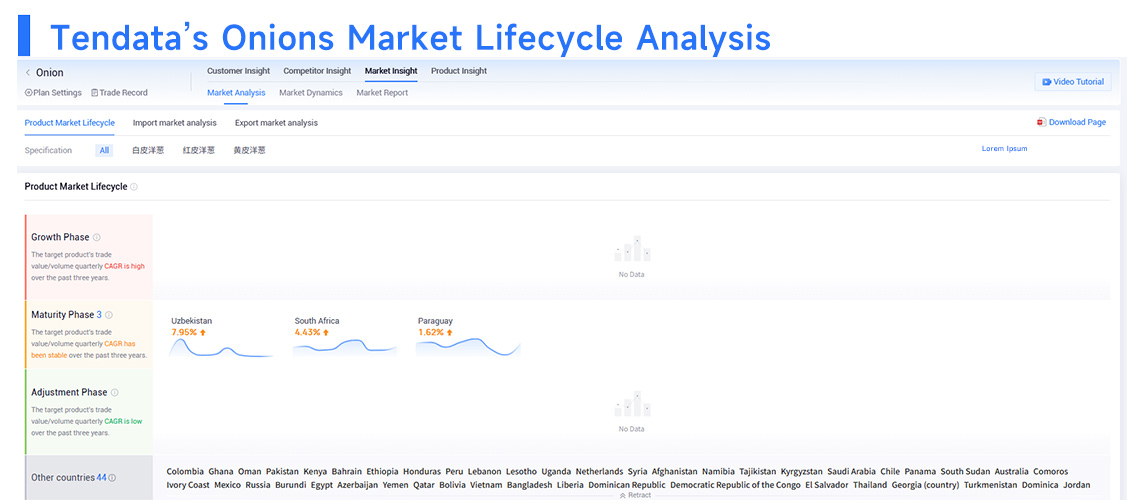
Tendata enables businesses to analyze shipment data by country, industry, product category, and HS code to compare market performance across different regions.
For example, exporters of onions can use HS Code 070310 to evaluate import activity, identify countries with stable purchasing demand, and prioritize markets that offer sustainable growth opportunities.
>>> Tendata’s Onions Market Lifecycle Analysis <<<
Data Source: Tendata Platform
Analyze Competitor Performance
Competitor research becomes much more meaningful when based on verified trade records.
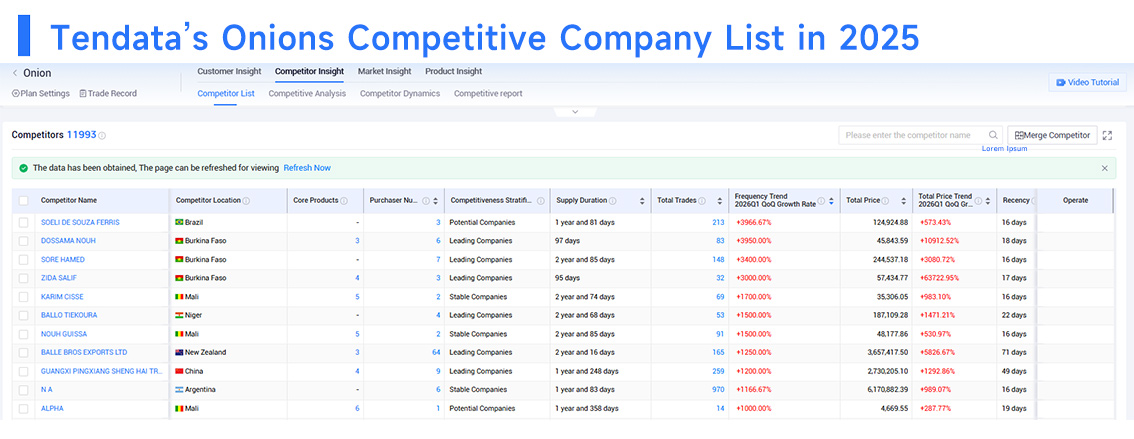
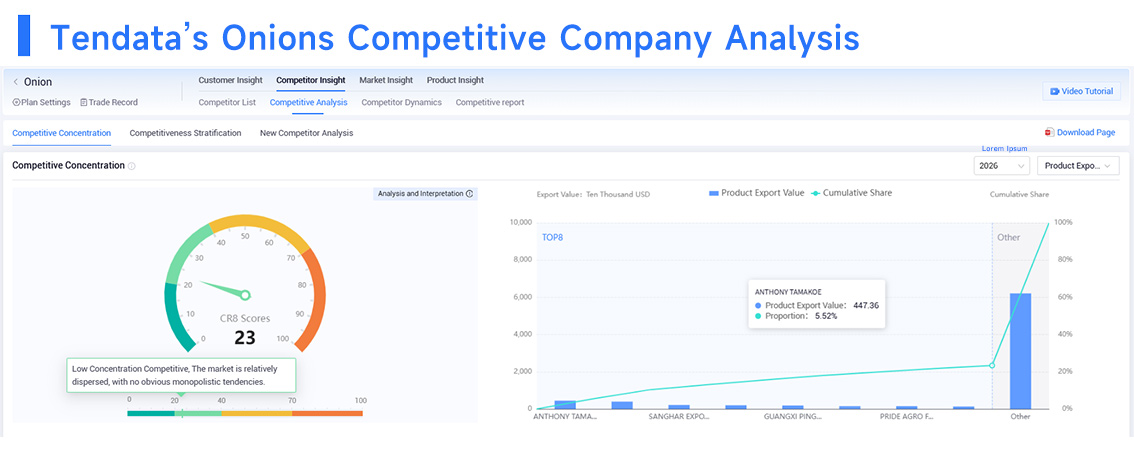
With Tendata, businesses can monitor competitors' shipment frequency, export destinations, product portfolios, and historical trading activities.
These insights help companies benchmark their own international performance while identifying markets that may still offer untapped opportunities.
>>> Tendata’s Onions Competitive Company List in 2025 <<<
Data Source: Tendata Platform
>>> Tendata’s Onions Competitive Company Analysis <<<
Data Source: Tendata Platform
Find Buyers Based on Real Purchasing Activity
The most effective sales prospects are companies that are already buying products similar to yours.
Using Tendata's shipment data, businesses can evaluate buyer purchasing frequency, supplier relationships, transaction history, and procurement patterns before initiating contact.
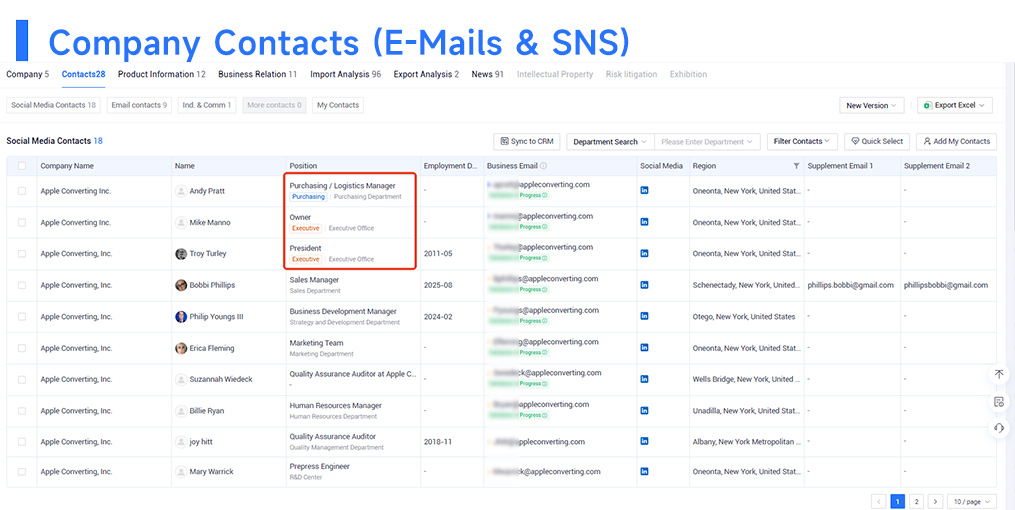
To support efficient customer acquisition, Tendata also provides available business contact information, including company email addresses, LinkedIn profiles, Facebook pages, and other public business resources, helping sales teams reach decision-makers more quickly.
>>> Obtaining Customer Contact Information from Tendata <<<
Data Source: Tendata Platform
Use AI to Accelerate Customer Development
Modern international sales require more than simply collecting data.
Tendata integrates AI-powered tools that help businesses identify qualified prospects, analyze buyer behavior, prioritize high-value opportunities, and generate personalized outreach messages based on verified trade activities.
This significantly reduces research time while improving sales productivity.
>>> Get a Free Demo from Tendata <<<
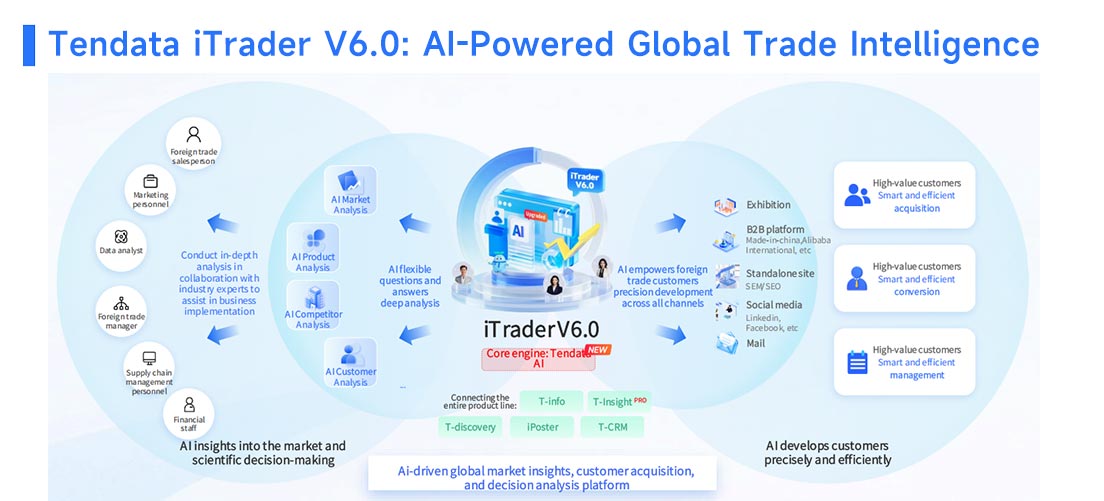
Data Source: Tendata Platform
Summary
Shipment data provides businesses with valuable insights into global trade, enabling them to understand market demand, monitor competitors, evaluate supply chains, and discover qualified business opportunities based on real international shipments.
Free resources such as USA Trade Online, FAOSTAT, WITS, the OECD Trade Database, and the ASEAN Statistics Portal offer useful information for trade research and market analysis. However, businesses seeking company-level intelligence and more efficient customer acquisition often require more advanced solutions.
Tendata transforms shipment data into actionable business intelligence by combining global customs records, buyer discovery, competitor analysis, market insights, and AI-powered tools. With one integrated platform, businesses can identify real buyers, uncover emerging opportunities, and grow internationally with greater speed and confidence.
Category
Leave Message for Demo Request or Questions