
How Much Food Does China Import?

tendata blogImport News

ten data blog2023-08-18

China, as one of the world's largest economies and most populous countries, plays a significant role in global trade, including the importation of food products. In this article, Tendata will explore the extent of China's food imports, examining the key factors driving the country's demand for imported food and the major categories of imported food products.


>>>In-Depth Market Analysis<<<
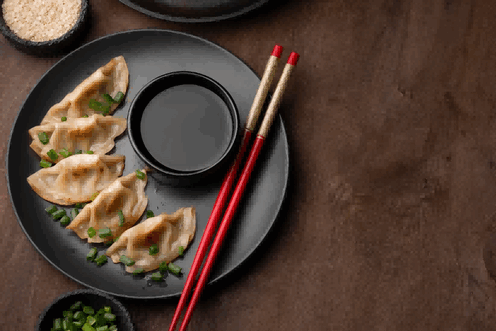

china food import,china import,china imports


Overview of China's Food Import Market:

China's food import market has experienced significant growth in recent years. The country's rising middle class, increasing urbanization, and changing dietary preferences have contributed to the growing demand for a diverse range of food products. China imports a substantial amount of food to supplement domestic production, meet consumer demand for high-quality and diverse products, and ensure food security.


Key Drivers of China's Food Imports:

Several factors drive China's demand for imported food. These include:


· Changing Dietary Patterns: As Chinese consumers adopt more diverse and internationalized diets, the demand for imported foods has increased. Products such as meat, dairy, seafood, fruits, and vegetables that are not traditionally part of the Chinese diet are now sought after by food importers in China.


· Quality and Safety Concerns: Food safety incidents in the past have raised concerns among Chinese consumers. Imported food products are often perceived as having higher quality standards and stricter safety regulations, leading to increased demand among food importers.


· Supply Chain Efficiency: Importing food allows China to access a wider variety of products and leverage the comparative advantages of other countries in terms of production and logistics. This benefits food importers in China who seek to provide a diverse range of food options to meet consumer demand.


· Globalization and Cultural Exchange: Importing food introduces new flavors and cultural experiences, allowing Chinese consumers to explore different cuisines and culinary traditions from around the world. Food importers in China play a vital role in sourcing and introducing these food products to the market.


  >>>Click to Check More Import And Export Information from Tendata<<<


Major Categories of Imported Food:

China imports a diverse range of food products. Some of the key categories include:


· Meat and Poultry: China imports a significant amount of meat and poultry products to meet the growing demand for animal protein. Imports include pork, beef, chicken, and processed meat products from countries like the United States, Brazil, and Australia, sourced by food importers.


· Dairy Products: China's dairy industry has seen rapid growth, but domestic production still struggles to meet demand. As a result, China imports a large quantity of dairy products such as milk powder, cheese, butter, and infant formula from countries like New Zealand, Australia, and the European Union. Food importers play a crucial role in sourcing and supplying these dairy products to the Chinese market.


· Seafood: China is the world's largest consumer of seafood, and its domestic supply falls short of meeting the demand. China imports a wide range of seafood products, including fish, shrimp, crab, and shellfish, from countries like Norway, the United States, and Canada. Food importers in China play a significant role in ensuring a consistent supply of seafood to meet consumer demand.


· Fresh Fruits and Vegetables: China's growing middle class and increasing health consciousness have led to a rising demand for fresh fruits and vegetables. China imports a variety of fruits, including berries, cherries, grapes, and tropical fruits, from countries like the United States, Australia, and Chile. Food importers in China source and distribute these fresh produce to cater to consumer preferences.


· Grains and Oilseeds: China imports a significant amount of grains and oilseeds to support its growing population and livestock feed requirements. Key imports include soybeans, corn, wheat, and rice from countries such as the United States, Brazil, and Argentina. Food importers in China are involved in the procurement and distribution of these essential commodities.


Food Safety and Quality Regulations:

To ensure the safety and quality of imported food products, China has implemented stringent regulations and inspection procedures. Importers, including food importers, must comply with labeling requirements, product standards, and hygiene regulations. Chinese authorities conduct inspections and testing to ensure that imported food meets the country's safety standards. Food importers play a critical role in ensuring compliance and maintaining high-quality standards in the imported food market.


Future Trends and Opportunities:

China's food import market is expected to continue growing in the coming years. As consumer preferences evolve, there will be increased demand for organic, natural, and specialty food products. E-commerce platforms and cross-border trade will also play a significant role in facilitating food imports, providing opportunities for food importers to reach a wider consumer base. Adapting to changing consumer demands and staying updated with regulatory requirements will be crucial for food importers to thrive in the dynamic Chinese market.


Conclusion:

China's food import market is driven by changing consumer preferences, food safety concerns, and the desire for diverse and high-quality food products. Food importers in China play a vital role in meeting the growing demand for imported meat, dairy, seafood, fruits, and vegetables. They ensure a consistent supply of food products from around the world, contributing to China's food security and providing consumers with a wide range of choices. As China's population continues to grow and consumer preferences evolve, the role of food importers will remain essential in shaping the country's food landscape.


About Tendata:

Tendata platform is different from the traditional B2B platform of passive waiting for customers: Tendata based on big data, can take the initiative to deeply analyze the customer background, accurately locate the purchasers with transaction records, and can greatly screen and locate the big customers. Tendata iTrader has 180 million global enterprise information, 10 billion data scrolling every day, can quickly and intelligently screen out 121 million executives, decision makers contact information, including email, phone, social media, etc., but also can synchronize the display of the company's yellow pages, product images and web site. At the same time, Tendata provides 17 visualization reports to help foreign trade enterprises accurately locate and analyze the market, so that you can quickly find the precise buyers and suppliers you need. >>>Check out the Tendata website for more details.

Category

Leave Message for Demo Request or Questions

We always appreciate your visit at tendata.com. We'd love to hear your suggestions, feedback & queries. Please contact us to schedule a demo or learn more about our services. We will respond to your query within 1 working day.

More Popular Blogs

These related articles may also be of interest to you

Geting Price

Global Trade Data Leader
Get Pricing
Privacy and Data Protection Policy
Effective Date: 01/07/2026

1. Introduction

Tendata (Shanghai Tendata Tech Co., Ltd., hereinafter referred to as “Tendata”, “we”, “us”, or “our”) is committed to protecting your privacy and data security. This Privacy and Data Protection Policy (“Policy”) explains how we collect, use, store, share, and protect your information when you visit our websites, use our customs data query systems, softwareasaservice (SaaS) platforms, or otherwise engage with our services.

2. Scope

This Policy applies to:
Tendata’s official website and related mobile applications;
Tendata’s customs data analytics software and SaaS offerings;
Communications via phone, email, or offline meetings.
Special Note: The “customs data” referred to in this Policy primarily involves commercial business information in international trade (e.g., importer/exporter names, transaction values, quantities, product descriptions). Tendata does not actively collect sensitive personal information of natural persons (such as biometric or health data), unless you voluntarily provide such information as our client representative.

3. Categories of Information We Collect

We collect information in three main categories:
3.1 Information You Voluntarily Provide
Account Information: name, job title, company name, corporate email address, phone number, and office address.
Communication Content: inquiries, feedback, and attachments submitted through online forms, customer service chats, or email subscriptions.
3.2 Information Generated During Service Use
Search and Query Records: keywords, HS codes, product descriptions, and browsing history entered into our system.
Log Data: IP address, browser type, operating system, access times, and page clickstreams.
Transaction and Contract Information: details of purchased service packages, payment records, and invoice information.
3.3 Information from Third-Party Sources
We may verify your corporate background information from publicly available commercial channels to ensure compliance with our service terms.

4. How We Use Your Information

We use your information for the following legitimate purposes:
Service Provision and Support: account activation, generation of data analytics reports, processing refunds, and handling technical support requests.
Product Improvement: analysing user behaviour patterns to optimise our data algorithms and user interface.
Marketing and Notifications: sending industry insight reports, product updates, or event invitations, subject to your prior consent.
Legal Compliance and Security: detecting and preventing fraud, maintaining system security, and fulfilling antimoney laundering and export control compliance obligations.

5. Data Storage and Protection

5.1 Storage Location
Your personal and business data are primarily stored on servers located in Shanghai, China, and on Alibaba Cloud’s secure infrastructure. We strictly comply with applicable data localisation requirements.
5.2 Security Measures
Tendata employs industryleading security measures to protect your data:
Transport Layer Security: fullsite TLS 1.3 encryption to ensure secure data transmission.
Storage Encryption: sensitive fields are encrypted using AES256 encryption.
Access Control: a strict internal permission hierarchy, granting access only to authorised personnel on a “minimum necessary” basis.
Backup and Disaster Recovery: automated daily backups to ensure high data availability.

6. Sharing, Transfer, and Disclosure of Your Information

6.1 Sharing with ThirdParty Partners
We only share your data when necessary:
Service Providers: such as cloud service providers (Alibaba Cloud), email delivery services, and payment gateways. These partners are bound by strict data processing agreements.
Legal Requirements: disclosure in response to mandatory requests by Chinese laws, administrative regulations, or judicial authorities.
6.2 Business Transfers
If Tendata is involved in a merger, acquisition, or asset restructuring, your data will be transferred as part of the business assets. We will notify you in advance and require the new entity to continue to comply with this Policy.
6.3 Prohibition on Sale
Tendata explicitly undertakes that we will never sell, trade, or rent your personal data or business secrets to any unrelated third party.

7. Your Data Subject Rights

Under the Personal Information Protection Law (PIPL) and the GDPR, you have the following rights:
Right to be Informed and Right of Access: you may contact us at any time to confirm whether we are processing your personal data and request a copy of that data.
Right to Rectification: you may request correction of inaccurate or incomplete data.
Right to Erasure (“Right to be Forgotten”): under certain circumstances (e.g., when the purpose of processing has been fulfilled or you withdraw consent), you may request deletion of your personal data.
Right to Withdraw Consent: you may withdraw your consent for marketing communications at any time.
Right to Data Portability: you have the right to request that the structured data you provided be transferred to another controller.
How to Exercise Your Rights: Please send an email to [[email protected]] . We will respond within 15 business days.

8. Cookies and Similar Technologies

We use strictly necessary cookies to maintain login sessions and improve page loading speed. You may disable cookies in your browser settings, but this may affect the functionality of certain features. We do not use cookies to track your crosssite behaviour for profiling.

9. Protection of Minors

Our services are designed for businesses and professionals and are not intended for individuals under the age of 14. If we discover that we have inadvertently collected information from a child, we will delete it promptly.

10. Policy Updates

We reserve the right to update this Policy from time to time. For material changes (e.g., changes in the purposes of data processing), we will notify you prominently via inapp messages or email.

11. Contact Us

If you have any questions, complaints, or suggestions regarding this Policy or data security, please contact our Data Protection Officer:
Shanghai Tendata Tech Co., Ltd.
Address: 8th Floor, Building 1, No. 20, Lane 91, Eshan Road, Pudong New Area, Shanghai
Data Protection Email:[[email protected]]
Phone: +021-60898388-8111
Free Demo
X

'Target Customer
'Acquisition & Intelligent
'Decision-Making

'Global Trade Marketing Intelligent'
Decision-Making SaaS Platform

Welcome Tendata iTrader

Please fill in the infos to get free demo

  • *

  • *

  • *

  • *

  • *

  • *

  • *
  • *

Success!

A rep will contact you within 10 minutes to get your demo.If you need a faster answers around features, pricing, etcplease scan to add Whatsapp online customer service.

Scan the QR code or click here for immediate consultation.
tendata