 Tendata AI
  Exhibition
 B2B Platforms
 Standalone Website
 Social Media
 Emails
 Trade Data Provider
 2025-07-28
Whether you're a new business or an established exporter, finding international buyers can be a challenge for exporters. One of the most effective ways to accomplish this is by leveraging trade data. By analyzing trade data, you can gain valuable insights into buyer behavior, market trends, and global trade flows, helping you know about where and how to sell your products, find international buyers.

What is Trade Data?
Trade data refers to the detailed information about the exchange of goods and services across international borders. This data is typically collected by governments, customs agencies, and trade organizations. It includes key details such as:
Product types (e.g., electronics, machinery, consumer goods)
Exporting and importing countries
Volume and value of trade transactions
Importers and exporters involved in each transaction
Shipping routes and port details
For exporters, trade data can be used as a tool for identifying potential buyers, assessing market demand, and uncovering new trade opportunities. This data can help sellers connect with reliable international buyers who are actively purchasing similar products.
>>>> Get Trade Data to Find International Buyers <<<<
How Trade Data Helps Find International Buyers
1. Identifying Active Buyers and Importers
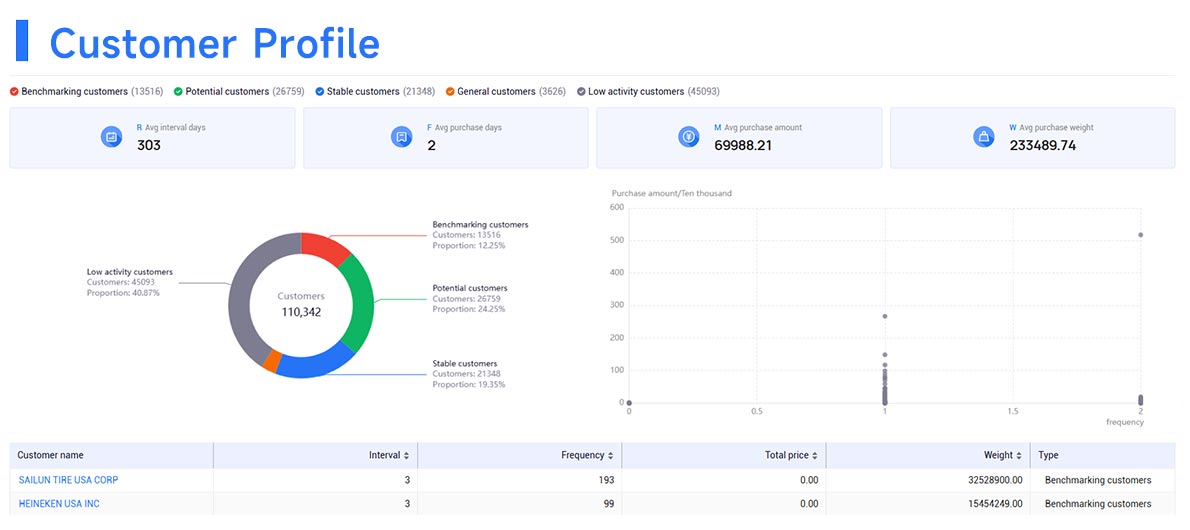
One of the most significant advantages of using trade data is that it allows you to identify active buyers. By reviewing trade statistics and import data, you can pinpoint which companies or individuals are currently importing products similar to yours.
For example, if you manufacture electronic components, trade data can reveal which countries are importing these goods and which companies are receiving shipments. By filtering data by product category, shipment volumes, and countries, you can quickly compile a list of potential buyers who are actively sourcing similar items.
2. Understanding Market Demand and Trends
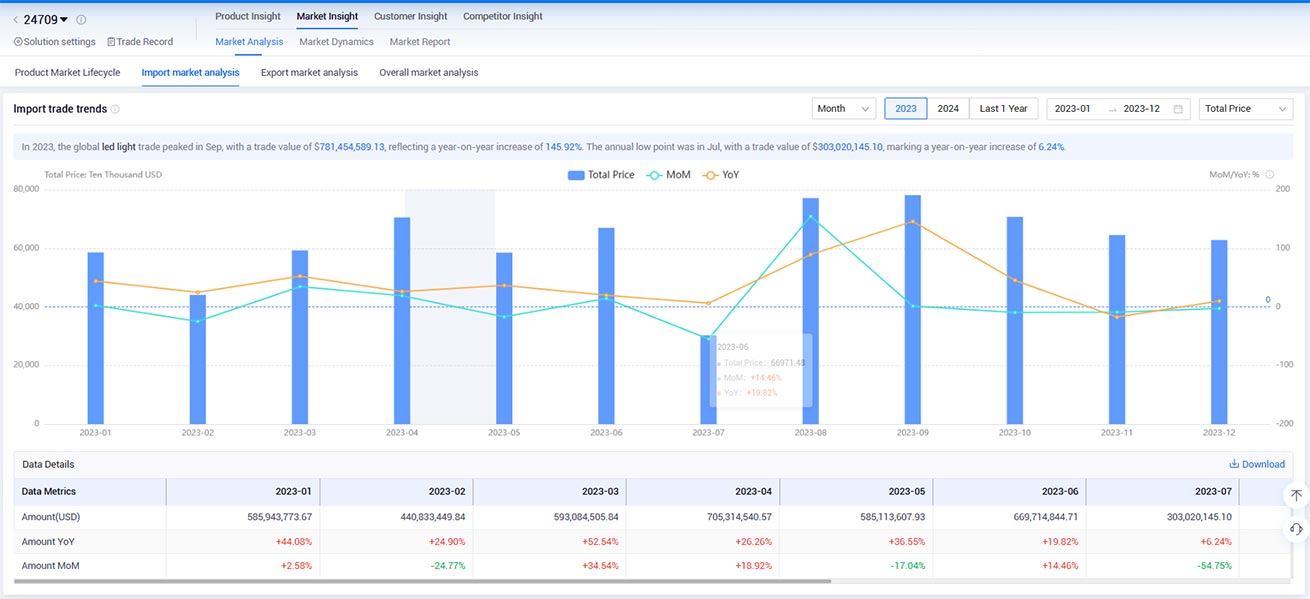
Trade data offers valuable insights into market demand and trends. By analyzing historical and current trade volumes, exporters can identify growing markets or regions with high demand for their products.
For example, you may notice an increase in the importation of solar panels in a particular country. This information is vital for exporters looking to enter new markets or expand their reach. By tracking trade data over time, you can stay ahead of market fluctuations and adjust your sales strategies accordingly.
3. Targeting Specific Countries and Regions
Trade data can help exporters target specific countries and regions where their products are in demand. If you are considering entering a new market, trade data can provide you with insights into which countries are importing your type of goods. This allows you to strategically focus your efforts on countries that are most likely to become profitable trading partners.
For example, if you produce fashion apparel, trade data may reveal that European countries or the U.S. are major importers of fashion products. By focusing your marketing efforts on these countries, you can increase your chances of finding a reliable buyer.
4. Analyzing Competitors
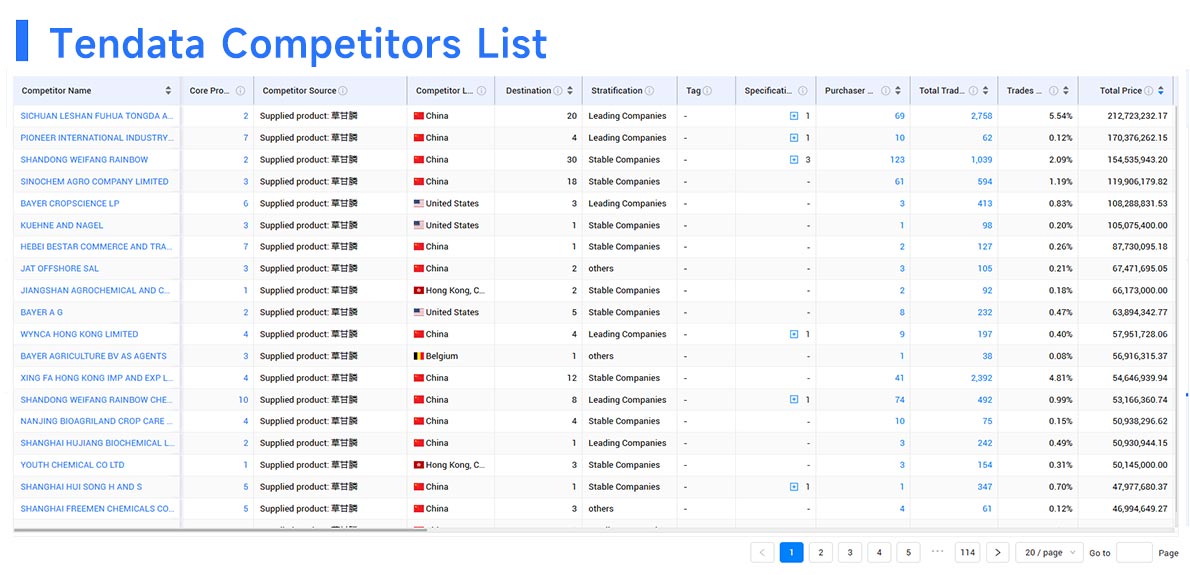
Trade data can also be used to analyze your competitors. By reviewing the trade data of companies selling similar products, you can understand their target markets, trade volumes, and pricing strategies. This will help you adjust your business strategies to stay competitive.
For instance, if a competitor is exporting textiles to specific countries, analyzing their trade patterns will give you insights into which markets are highly profitable. You can then fine-tune your export strategy by targeting these markets or offering more competitive pricing.
5. Finding Verified and Reliable Buyers
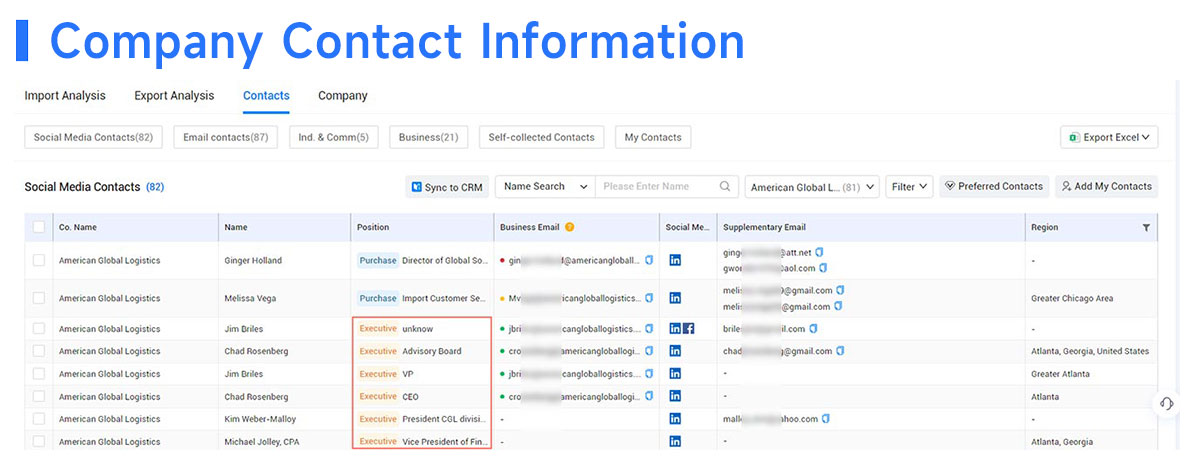
One of the most challenging aspects of international trade is finding verified and reliable buyers. By using trade data, exporters can identify companies that have a proven history of import transactions and have established credibility. This reduces the risk of dealing with fraudulent buyers and helps exporters engage in secure business transactions.
>>>> Click to Find International Buyers <<<<
How to Access Trade Data
Several platforms provide access to trade data, including:
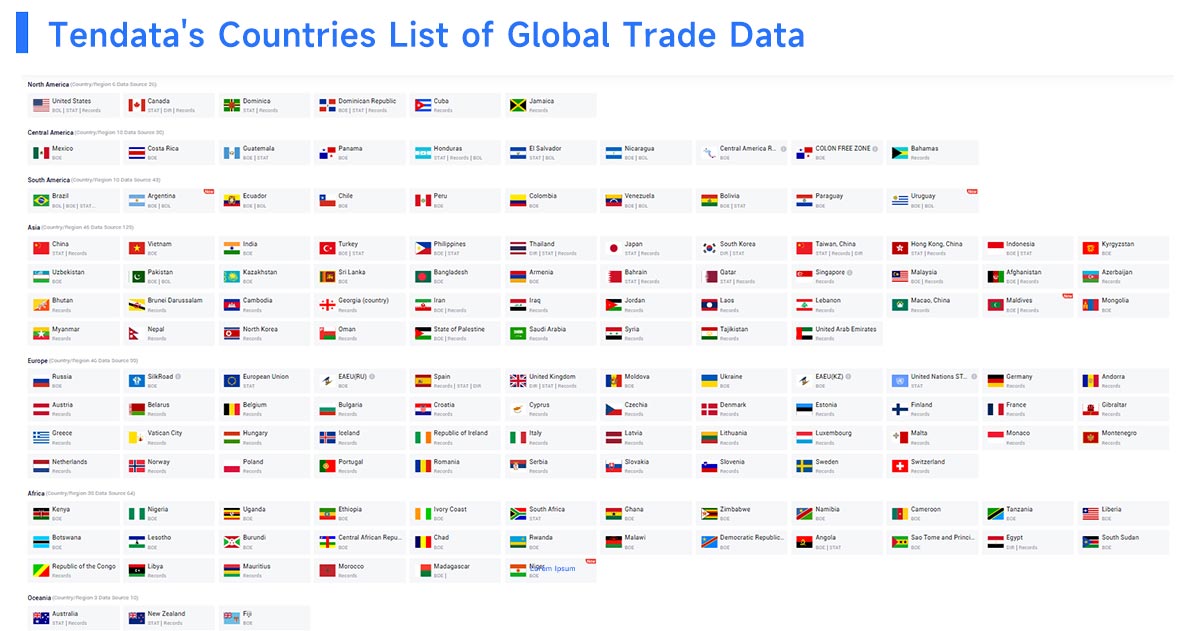
Customs Data Providers: Companies like Tendata, Import Genius, and Panjiva offer access to global trade data. These platforms allow users to search and filter trade data based on product categories, countries, companies, and more.
Government Websites: Some countries provide free access to their trade data through official government websites. For example, the U.S. Census Bureau provides access to U.S. trade statistics, while the Eurostat website offers trade data for European countries.
Industry Reports and Trade Publications: Industry-specific reports and trade publications can also provide valuable insights into trade data. These reports often highlight emerging markets, trends, and the latest trade statistics for specific industries.
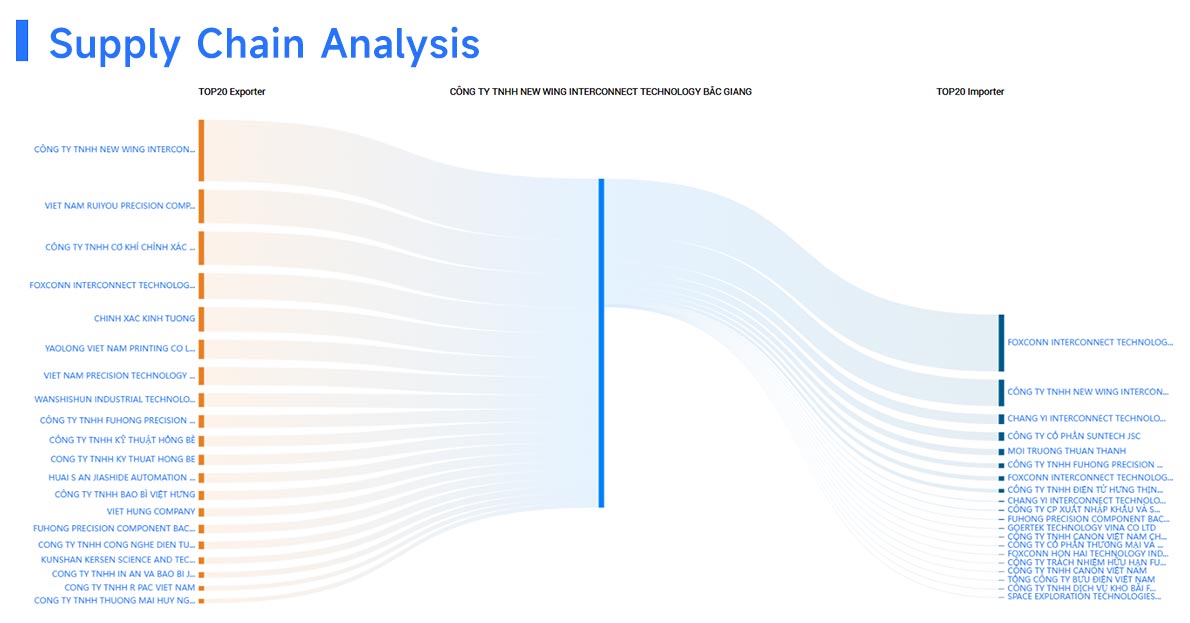
Trade Analytics Platforms: Platforms like Tendata offer advanced search tools that help exporters analyze trade flows, track competitors, and find buyers based on specific criteria.
>>>> Go to Find International Buyers <<<<
How to Use Trade Data to Connect with Buyers
Once you have access to trade data, you can start using it to connect with international buyers. Here’s how:
Build a Buyer List: Using trade data, compile a list of active buyers in your target market. Reach out to them through email, phone, or the platform’s messaging system.
Customize Your Pitch: When contacting potential buyers, tailor your message based on their needs and past purchasing patterns. Show them how your product can meet their demands.
Verify Buyer Credibility: Ensure that the buyers you’re targeting are legitimate and reliable. You can check their trade history and ratings on B2B platforms or via trade data services.
Negotiate Deals: Armed with insights from trade data, you’ll have the information necessary to negotiate favorable terms and offer competitive pricing, making your proposal more attractive to international buyers.
>>>> Try to Find International Buyers <<<<
Conclusion
Using trade data is one of the most effective ways for exporters to find international buyers. By analyzing trade flows, identifying key importers, understanding market demand, and tracking competitors, exporters can build a targeted strategy that maximizes their chances of success in global markets.
Category
Leave Message for Demo Request or Questions