 Trade Data Provider
 2026-06-11
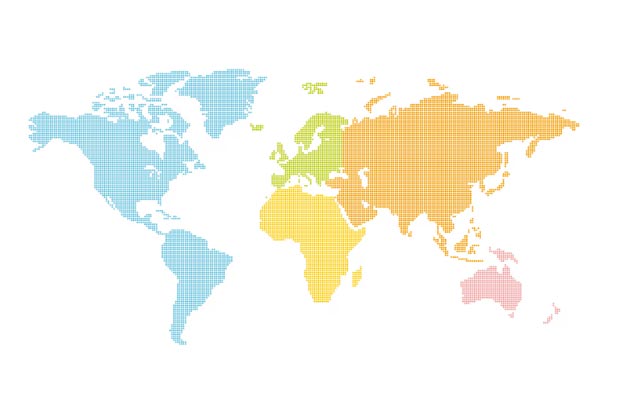
In the global trade landscape, the level of access to import and export data varies significantly across countries. For international businesses, understanding data transparency is essential for improving customer acquisition efficiency and targeting the right buyers.
Broadly, global trade data can be divided into three categories:
First, countries that fully disclose bill of lading data, where businesses can access detailed information such as buyer names, suppliers, and contact details. These are the most valuable markets for customer development.
Second, countries that only provide macro-level trade statistics, offering limited insights without identifiable company data.
Third, countries with strict data confidentiality policies, such as China, where detailed transaction data is not publicly accessible.
For exporters and traders, the first category represents the most actionable and valuable data sources.
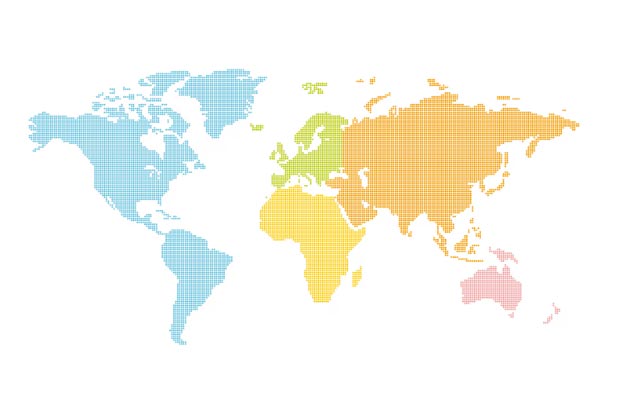
1. Countries with Highly Open Trade Data
(1)North America (Highest Data Quality)
· United States: One of the most comprehensive and frequently updated data sources globally. Businesses can access detailed importer information through bill of lading and customs data.
· Mexico: Provides importer/exporter registries via RFC tax IDs, enabling access to transaction records.
· Costa Rica: Offers relatively open data with accessible transaction details.
(2)South America (Key B2B Markets)
South America is one of the most active regions for B2B customer development.
Key countries include:
Brazil,Argentina,Chile,Peru,Colombia,Ecuador,Uruguay,Venezuela,Paraguay,Panama,Bolivia
Key features:
·Access to buyer and seller names
·Detailed product descriptions, quantities, and weights
·Ideal for identifying distributors, wholesalers, and buyers
(3)Asia (Partially Open)
·India: Highly detailed data, including company-level trade records and port information via DGCI&S.
·Vietnam: Relatively transparent with access to transaction-level data.
·Pakistan: Publishes partial datasets with free access to company trade records.
·Indonesia: Provides macro and some micro-level data, though updates may lag.
·Philippines, Sri Lanka, Bangladesh: Moderate levels of data availability.
(4)Other Regions
·Russia: Relatively open with access to transaction-level data.
·Africa: Countries such as Nigeria, Kenya, Tanzania, Ghana, and Uganda are gradually improving data transparency, though completeness is still limited.
2. How to Access Global Trade Data Efficiently
Accessing individual customs websites is time-consuming and often complicated due to language and usability barriers. A more efficient approach is to use a professional trade data platform.
Tendata is a leading global import-export data platform covering 228 countries and regions, offering a comprehensive solution for data-driven customer development.
3. Key Features of Tendata
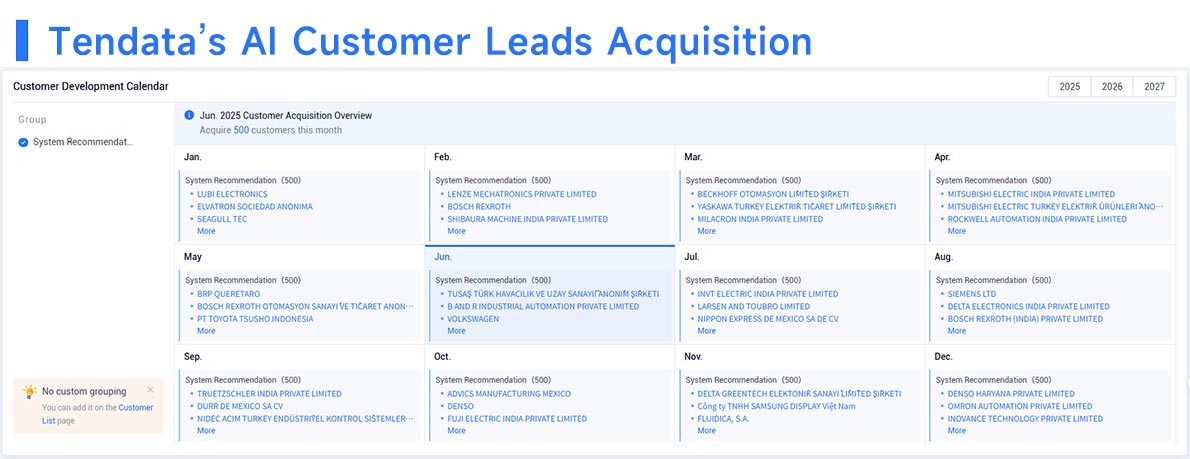
(1)Accurate Lead Generation
·Search importers and exporters by product keywords or HS codes
·Quickly identify high-potential buyers in target markets
·Reduce time spent on unqualified leads
>>Find Buyers & Suppliers via Tendata<<
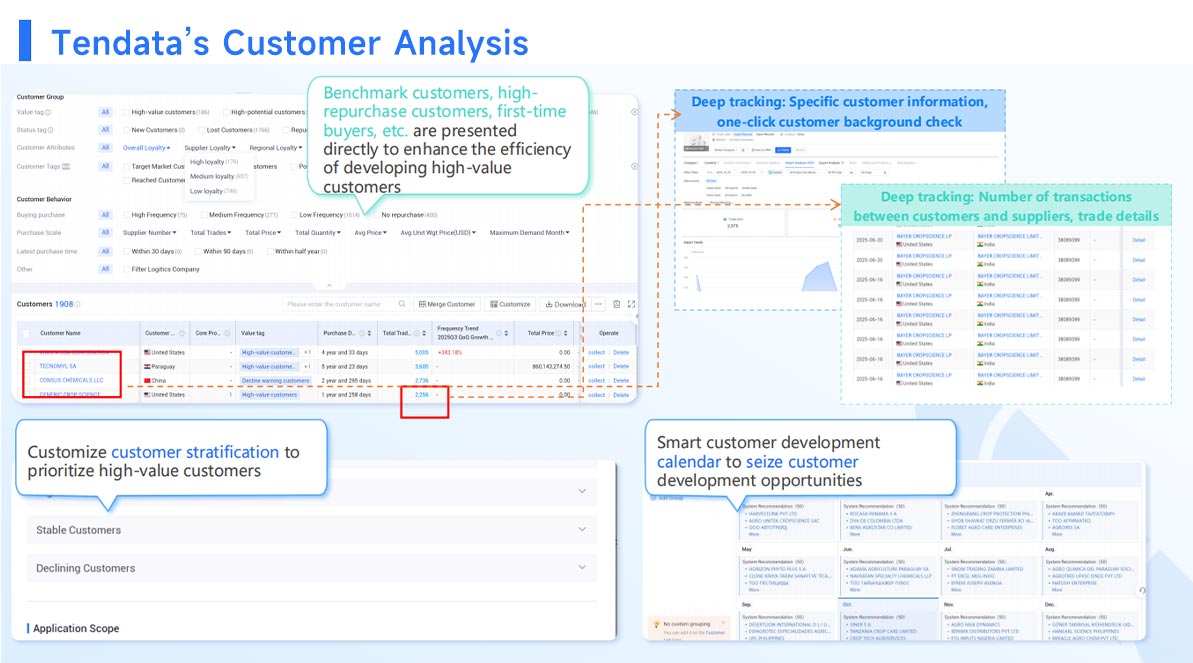
(2)In-Depth Customer Analysis
·Analyze historical purchasing records
·Track buying frequency and volume trends
·Understand supplier relationships and sourcing patterns
>>Analyze Companies via Tendata<<
(3)Competitor Intelligence
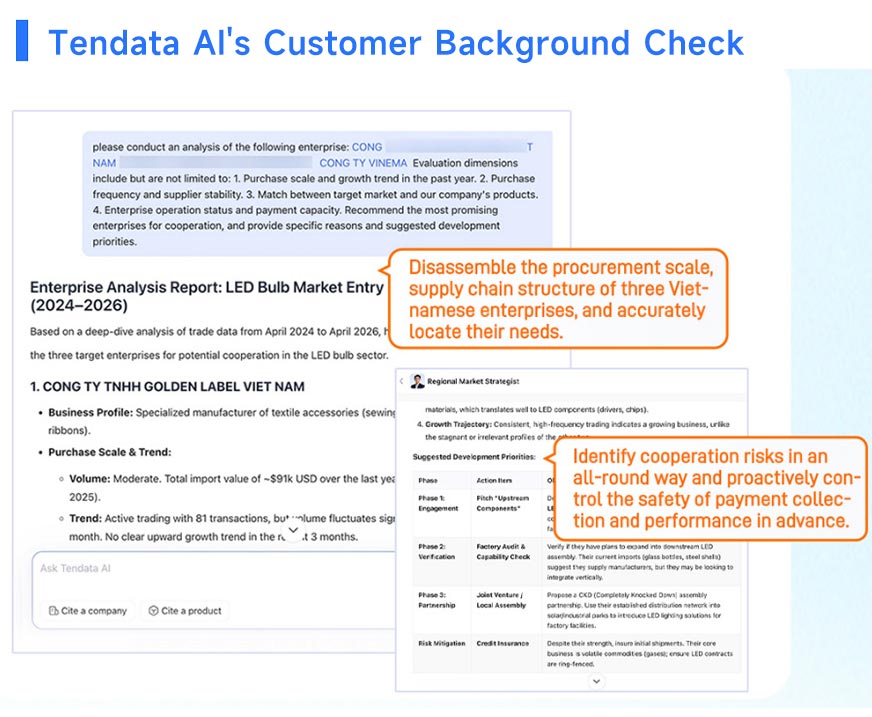
(4)Company Background Checks
>>Understand the Company's Background Information through Tendata<<
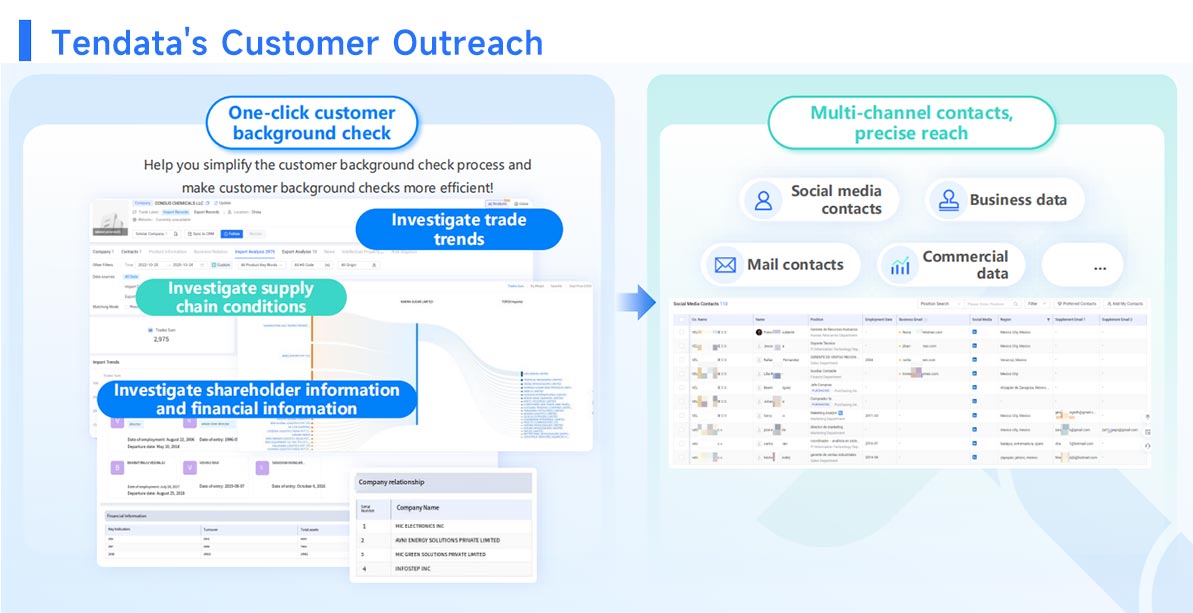
(5)Decision-Maker Contact Discovery
>>Get Company Contacts via Tendata<<
4. Why Trade Data Matters for Exporters
·Enables precise customer targeting
·Provides insights into market demand and competition
·Improves conversion rates
·Builds sustainable international client networks
By using platforms like Tendata, businesses can shift from passive prospecting to data-driven customer acquisition and gain a competitive edge in global markets.
Category
Leave Message for Demo Request or Questions