
 Tendata AI
  Exhibition
 B2B Platforms
 Standalone Website
 Social Media
 Emails
 Trade Trends News
 2025-07-25
As small and medium-sized U.S. businesses navigate the complexities of global trade, trade data has become an indispensable tool for sourcing. For companies shifting their imports from China to Southeast Asia, using platforms like Tendata offers a competitive edge. At the micro-level, where budgets and resources are often more limited, trade data can mean the difference between successful expansion and costly missteps.

Why Small Businesses Are Moving to Southeast Asia
The reasons behind the shift from China to Southeast Asia are multifaceted, but at the micro-business level, they primarily revolve around cost management, flexibility, and risk reduction:
Rising Costs in China: Small businesses often operate on thin margins, and the rise in labor costs in China over the past decade has made sourcing from there increasingly expensive. Southeast Asia, with its lower wages and competitive production costs, provides a more affordable alternative.
Tariffs and Trade Barriers: Trade tariffs between the U.S. and China have imposed additional costs on U.S. companies importing from China. While larger corporations may absorb these costs, smaller businesses often struggle to remain profitable. Southeast Asia offers lower tariffs and access to free trade agreements that help keep expenses in check.
Supply Chain Resilience: The pandemic highlighted the risks of depending on a single country for supply chains. Diversifying suppliers in Southeast Asia allows small businesses to spread risk, ensuring that disruptions in one region don’t cripple operations.
How Trade Data Helps Small Businesses Make Informed Sourcing Decisions
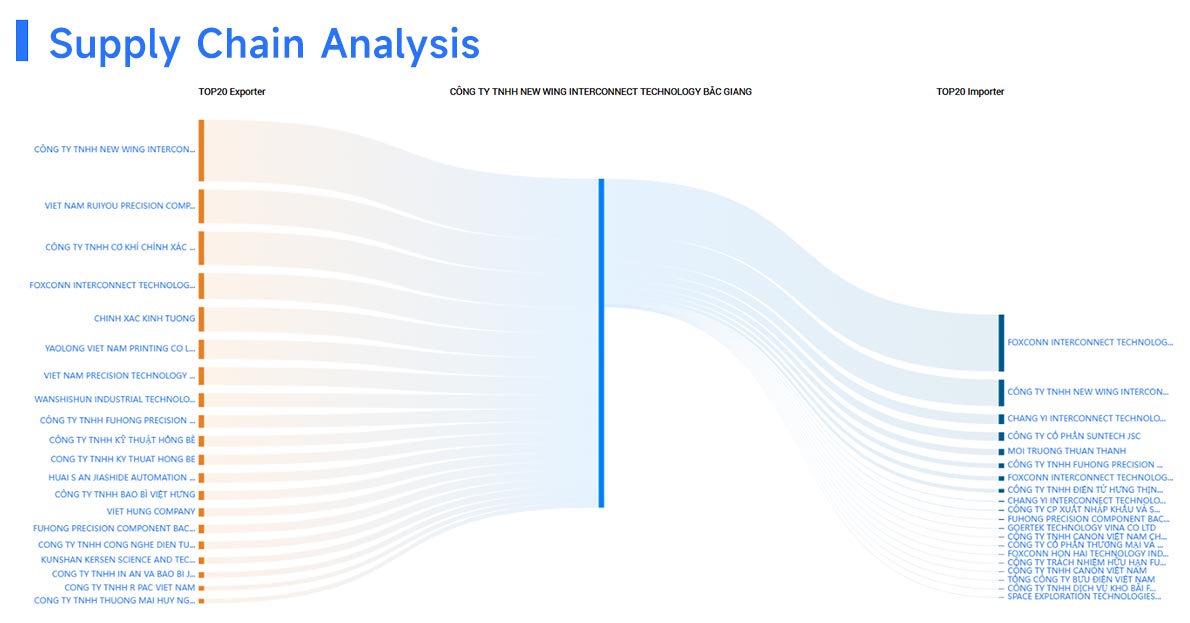
For small businesses, trade data provides a detailed, actionable roadmap to navigate the complexities of global sourcing. Here’s how leveraging platforms like Panjiva and ImportGenius can provide micro-businesses with the insights they need:
Discovering New, Reliable Suppliers:
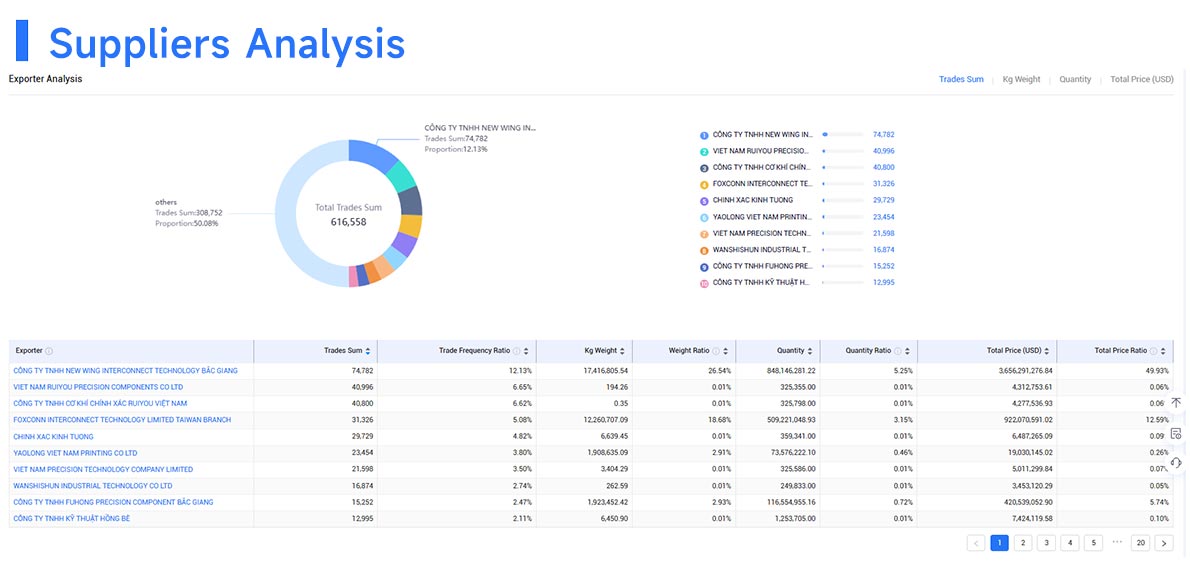
Trade data offers granular insights into the performance and reliability of suppliers. Small businesses can use Panjiva or Volza to track shipments from specific manufacturers in Southeast Asia, examining their on-time delivery rates, product types, and shipping volumes. This data helps avoid costly mistakes when selecting new suppliers and reduces the risk of delays.
For example, a small electronics manufacturer can use trade data to identify suppliers in Vietnam that are regularly shipping to the U.S. and have a proven track record. By narrowing down the list to suppliers with high reliability, the business reduces the risk of stockouts or product quality issues.
>>>> Get Tendata Online Free Demo<<<<
Tracking Shifts in Demand:
Small businesses need to be agile to survive in a competitive market. Trade data allows them to track rising trends and demand for specific products in Southeast Asia. For example, if a small business is importing textiles or fashion items from China, it might find that Vietnam’s textile exports are increasing, indicating a growing supplier base. This insight helps businesses pivot their sourcing decisions, ensuring they don’t miss out on lucrative market shifts.
Understanding Costs and Tariffs:
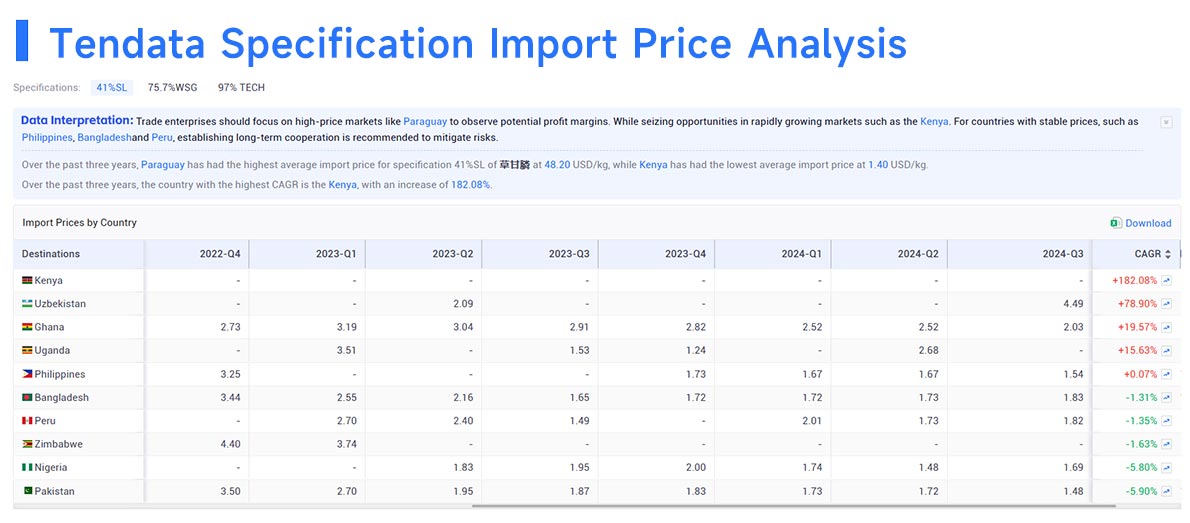
One of the most critical aspects of sourcing from a new country is understanding the hidden costs, like tariffs and shipping fees. For small businesses, it’s essential to calculate the total landed cost—the cost of the product once it’s in the U.S. including shipping, duties, and tariffs. Tendata allow businesses to track tariff rates on specific goods, helping them compare the costs of sourcing from Vietnam, Thailand, or Indonesia.
Optimizing Order Volumes:
With the ability to track shipping volumes and trends, small businesses can make more accurate purchasing decisions. For instance, by analyzing volumes of exports from Vietnam to the U.S., a small business can predict future availability and avoid overstocking or underordering. This is especially useful for businesses that deal with seasonal products or have limited warehouse space.
Tendata allows businesses to track historical shipping data to predict supplier capacity, giving small businesses a clearer idea of how much they can expect to receive and when.
>>>> Get Tendata Online Free Demo<<<<
How Small Businesses Can Get the Most from Trade Data
For smaller companies, the key to using trade data effectively lies in targeted searches and cost-benefit analysis. Here are a few tips:
Focus on the Right Products:
Instead of broad industry-wide searches, focus on specific product categories that your business imports. Whether it’s consumer electronics, clothing, or machinery parts, narrowing down search queries helps you find suppliers with a solid track record for those exact products.
Track Competitors:
By using trade data to track competitors, you can gain insights into their suppliers, shipping volumes, and product trends. This helps you stay competitive by identifying gaps in the market or discovering emerging suppliers that competitors are already sourcing from.
Analyze Historical Trends:
Don't just rely on the most recent data; look at historical trends to understand long-term supplier reliability. A sudden spike in exports might seem promising, but businesses should also consider whether the supplier can meet demand consistently over time.
>>>> Get Tendata Online Free Demo<<<<
Conclusion
For small businesses, the shift from China to Southeast Asia doesn't have to be overwhelming. By tapping into trade data platforms like Tendata, small businesses can make smarter sourcing decisions based on real-time, actionable data. From identifying reliable suppliers to predicting market shifts and understanding tariff impacts, trade data provides the insights needed to optimize sourcing strategies and maintain profitability in a rapidly changing global market.
Category
Leave Message for Demo Request or Questions