 Tendata AI
  Exhibition
 B2B Platforms
 Standalone Website
 Social Media
 Emails
 Trade Trends News
 2026-02-25
On Friday, the Supreme Court overturned most of Trump’s tariff policies in a 6–3 decision.
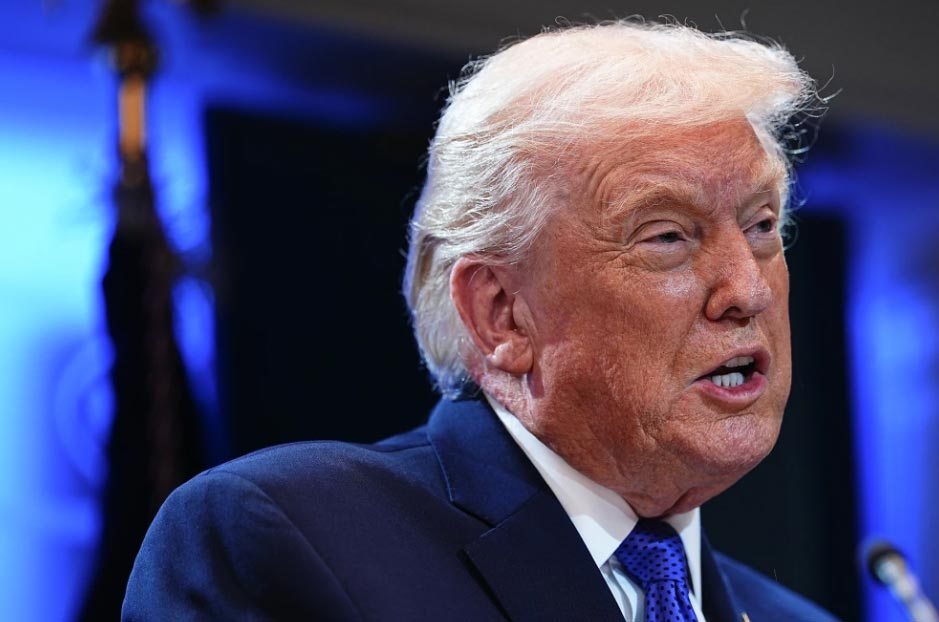
On Saturday, President Donald Trump stated that he would increase the newly announced global tariff rate to 15%, less than a day after declaring a 10% tariff on goods from around the world.
On Friday, Trump had announced a 10% import tax on all foreign trading partners after most of his sweeping tariff measures were struck down by the Supreme Court.
In a 6–3 ruling, the justices determined that Trump’s aggressive approach to imposing tariffs on imports from around the world did not comply with the International Emergency Economic Powers Act (IEEPA) of 1977.
The ruling invalidated the vast majority of the existing tariffs, except for those targeting specific sectors such as automobiles, auto parts, and semiconductor chips.
“As President of the United States, I am immediately raising the 10% global tariff imposed on many countries to 15%. These countries have been ‘extorting’ the United States for decades without consequence (until I came along!), and this level is fully permitted and legally tested,” Trump wrote in a social media post on Saturday.
Although the tariff level has been adjusted, Trump’s universal tariff policy would still significantly reduce duties on most major trading partners. For some partners, however, tariff levels would remain unchanged.
For example, before the Supreme Court struck down Trump’s IEEPA tariffs, the vast majority of imports from Japan and the 27 member states of the European Union were subject to a 15% tariff.
Tariff rates for other major U.S. trading partners — including Mexico, Canada, and China — could decline substantially. Other key partners such as India and Brazil would also face lower tariff rates.
Trump is implementing the new global tariffs under Section 122 of the Trade Act of 1974, a different legal authority from the one under which the previous tariffs were ruled unlawful.
The 1974 law allows the president to impose a temporary import surcharge of up to 15% if it is determined that the United States faces a “large and serious balance-of-payments deficit” or to prevent an imminent and significant depreciation of the U.S. dollar in foreign exchange markets.
Under this provision, tariffs may remain in effect for up to 150 days, after which Congress may need to act to extend them. The law does not clearly specify whether the administration can immediately reinstate tariffs through another executive order once the 150-day period expires.
At the same time Trump is implementing this new broad tariff policy, U.S. Trade Representative Jamieson Greer stated that the administration will “accelerate Section 301 investigations” into most major trading partners.
Such investigations would allow the government to impose tariffs under another provision of the 1974 Trade Act if it determines that “U.S. rights under any trade agreement are being denied” or that a trade partner’s practices are “unreasonable and burden or restrict U.S. commerce.”
Category
Leave Message for Demo Request or Questions