 Tendata AI
  Exhibition
 B2B Platforms
 Standalone Website
 Social Media
 Emails
 Trade Trends News
 2026-02-06
• Both sides agreed that it is necessary to provide general guidance on price undertakings for Chinese exporters of passenger Electric Vehicles to the EU.
• The statement said this would help promote the healthy development of China–EU economic and trade relations and safeguard a rules-based international trading system.
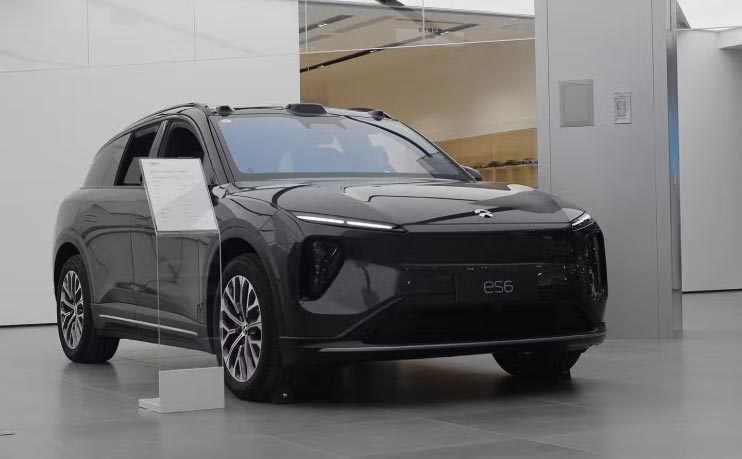
China and the European Union have reached an agreement on price undertakings for Chinese Electric Vehicle exports to the EU, marking an important step toward replacing additional tariffs.
In a statement released Monday, China’s Ministry of Commerce said both sides agreed on the need to provide general guidance for Chinese exporters of passenger battery Electric Vehicles (BEVs) regarding price undertakings when exporting to the EU. This approach aims to resolve related issues in a more practical, targeted, and WTO-compliant manner.
The EU will issue guidance on how to submit price undertaking offers. According to the statement, the evaluation process will follow non-discrimination principles and WTO rules, with all offers assessed under the same legal standards.
The statement added that this progress reflects the spirit of China–EU dialogue and the outcomes of consultations, demonstrating that both sides have the ability and willingness to resolve differences through dialogue and negotiation within the WTO framework.
It also noted that the agreement will support the healthy development of China–EU economic and trade relations and help maintain a rules-based international trade order.
On October 4, 2023, the European Commission officially launched an anti-subsidy investigation into battery Electric Vehicles imported from China, alleging that these vehicles benefited from unfair Chinese subsidies that distorted the European market.
In October 2025, after completing the investigation, the European Commission decided to impose additional tariffs on the relevant products for five years, while discussions on price undertakings continued.
These additional tariffs were imposed on top of an existing 10% duty, with different rates applied to different manufacturers. For example, Tesla (NASDAQ: TSLA) faces a 7.8% rate, BYD faces 17.0%, while NIO (NYSE: NIO) and XPeng each face 20.7%.
The China Chamber of Commerce to the EU (CCCEU) welcomed the consensus, describing it as a “soft landing” for the Electric Vehicle issue and saying the constructive outcome would significantly boost market confidence.
The China Electronics Industry Association said Monday that the agreement would create a more stable and predictable environment for Chinese Electric Vehicle companies and related supply chains investing and operating in Europe, while also helping deepen China–EU cooperation in market expansion and technological innovation.
The China Association of Automobile Manufacturers reiterated that the competitiveness of China’s Electric Vehicle industry comes from technological innovation and the cost and scale advantages gained through intense market competition, rather than subsidies.
Category
Leave Message for Demo Request or Questions