 Tendata AI
  Exhibition
 B2B Platforms
 Standalone Website
 Social Media
 Emails
 Trade Trends News
 2026-01-28
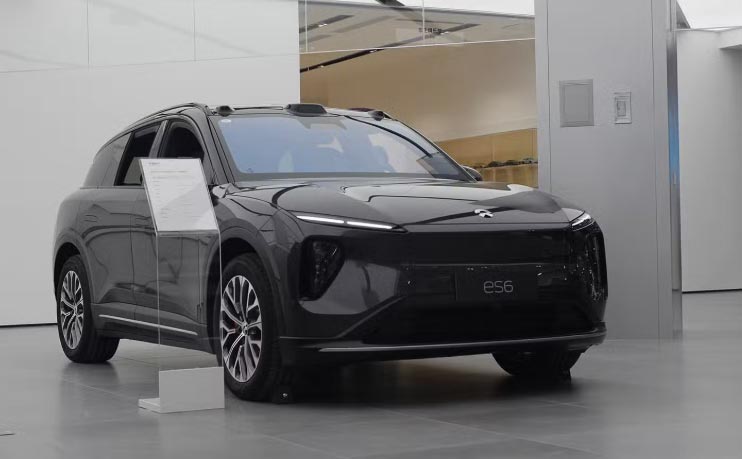
Canada is set to break ranks with the United States by removing the 100% tariff on Chinese electric vehicles (Electric Vehicles), opening the door to imports of EVs priced below $25,000.
Under the new agreement, Canada will reduce its 100% tariff on Chinese Electric Vehicles in exchange for China lowering tariffs on Canadian agricultural products.
The decision was made during Canadian Prime Minister Mark Carney’s visit to Beijing, aimed at easing tensions in China–Canada relations.

This move runs counter to the U.S. stance on tariffs against China and paves the way for more affordable EV imports—potentially priced around 35,000 Canadian dollars (about US$25,000).
On Friday, Canada agreed to eliminate the 100% tariff on Chinese-made Electric Vehicles, effectively giving China’s auto industry the green light to expand deeper into the North American market. The move opens the door to low-cost imports and could potentially disrupt the automotive industry across the continent.
According to the Associated Press, Prime Minister Mark Carney announced the major tariff reduction after two days of talks with Chinese leaders in Beijing. In return for lowering EV tariffs, China agreed to reduce tariffs on Canadian agricultural products, including canola.
However, a large-scale influx of Chinese EVs into Canada will not happen immediately. Carney stated that the agreement initially caps annual Chinese EV exports to Canada at 49,000 units, with the quota gradually increasing to around 70,000 units after five years. He also noted that Canadians purchase about 1.8 million vehicles annually, nearly one-tenth of total U.S. sales.
Still, the move marks a major rift between Canada and the United States, which have long acted in lockstep to protect their deeply integrated North American automotive industry.
Carney described the decision as part of building a new automotive industry ecosystem and a major benefit for Canadian consumers at a time when vehicle prices are at record highs. He added that most imported EVs would be priced below 35,000 CAD, compared to the current average new car price of about 63,000 CAD.
“We are building a new sector of the automotive industry,” Carney said. “Through cooperation, we are shaping the future of mobility, bringing affordable vehicles to Canadians at a time when price matters most, and doing so at a scale that allows for a smooth transition of the industry.”
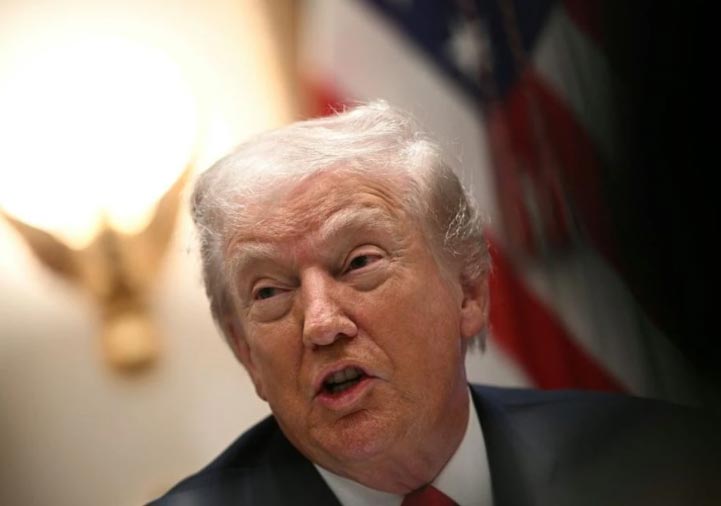
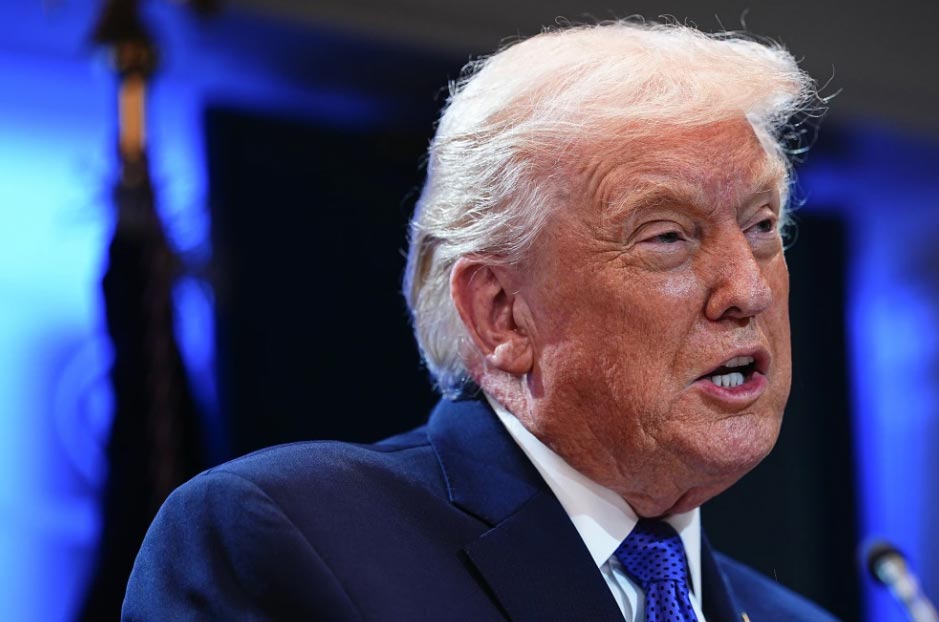
The agreement is groundbreaking on multiple levels. It represents the most significant breakthrough in U.S.–Canada automotive trade relations to date. Once closely aligned, relations have become increasingly strained following former President Trump’s tariff policies and his remarks about Canada becoming the “51st state.”
Previously, Canada and the U.S. jointly imposed 100% tariffs on Chinese-made Electric Vehicles to protect the North American auto industry. Automakers, parts suppliers, and related businesses operate across both countries, and rising Chinese auto imports into Canada were widely seen as a threat to companies such as GM, Ford, Honda, and Toyota, which collectively employ millions of workers in the two countries.
It remains unclear which Chinese automakers—if any—will shift to exporting vehicles to Canada. In theory, this could be the first step toward localized production in North America for Chinese manufacturers, aligning with their long-standing ambition to enter the vast North American auto market. As China’s domestic auto sales growth slows after years of explosive expansion, major Chinese automakers are increasingly seeking growth in Europe, Latin America, the Middle East, and Africa.
In 2025, global plug-in vehicle sales increased everywhere except North America. The decline in North America was mainly driven by the end of U.S. EV tax credits and the implementation of fuel economy regulations, which reshaped the EV market. Mexico was an exception, recording 29% growth in plug-in vehicle sales in 2025, most of which came from Chinese imports.
Earlier this week in Detroit, Trump also welcomed Chinese automakers to invest in the United States—on the condition that they build factories locally.
“If they want to come and build plants and hire you, your friends, and your neighbors, that’s great. I’m very happy with that,” Trump said at an event at the Detroit Economic Club.
“Let China come.”
Category
Leave Message for Demo Request or Questions