 Tendata AI
  Exhibition
 B2B Platforms
 Standalone Website
 Social Media
 Emails
 Trade Trends News
 2026-01-30
China announced that its economy grew by 5% last year, meeting Beijing’s official target, with a record trade surplus providing a major boost to growth.

Although growth slowed to 4.5% in the final quarter of 2025, the world’s second-largest economy still achieved its annual goal.
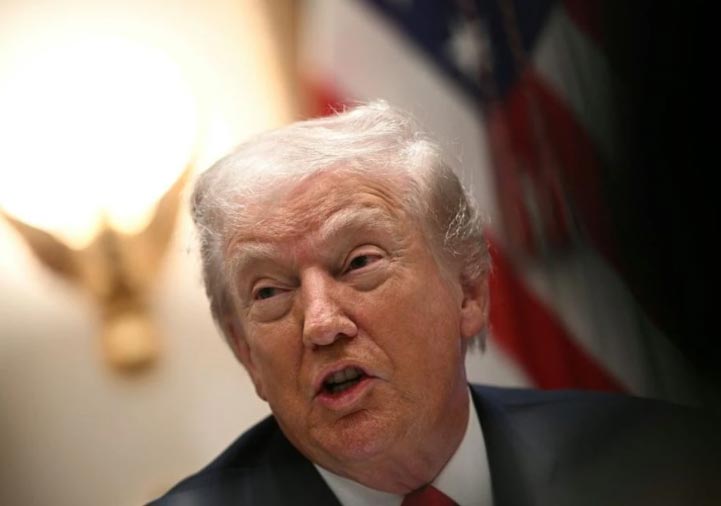
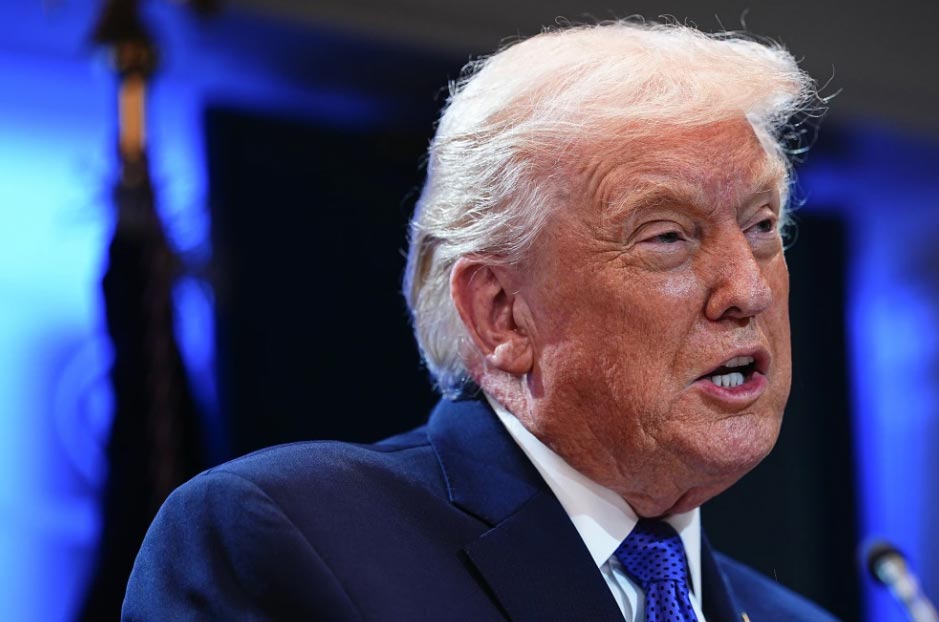
Over the past year, China has faced multiple challenges, including weak domestic consumption, a prolonged property crisis, and turbulence caused by U.S. President Donald Trump’s tariff policies.
Economists say the data reflects a “two-speed” economy: manufacturing and exports are supporting overall expansion, while consumers remain cautious and the property sector continues to drag on national growth.
Despite official figures showing the target was met, some analysts have questioned the accuracy of the data, citing weak investment and consumer spending.
“We think actual growth is weaker than the official figures suggest,” said Julian Evans-Pritchard, China economist at Capital Economics, who estimates that official data may overstate real growth by at least 1.5 percentage points.
Data released on Monday also showed that China’s number of births last year was the lowest since records began in 1949.
According to the National Bureau of Statistics, total births in 2025 fell to 7.9 million.
Economists warn that declining birth rates will weaken demand for housing and consumer goods, intensifying domestic pressures and placing even greater strain on an already fragile property market.
Officials said China’s population fell for the fourth consecutive year in 2025, declining by 3.4 million to 1.4 billion.
These figures highlight China’s deepening demographic crisis, despite government efforts to raise birth rates by offering incentives to families.
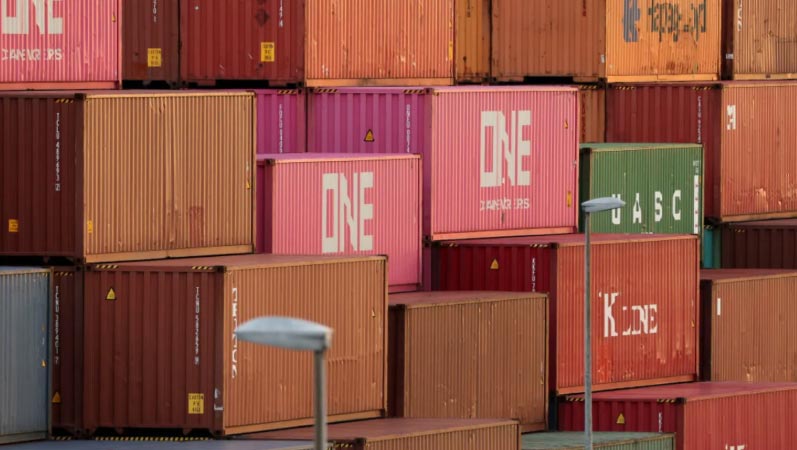
Last week, China reported its largest-ever trade surplus—the gap between exports of goods and services and imports—reaching $1.19 trillion (£890 billion), driven mainly by export growth to markets outside the United States.
“China is effectively driving growth by exporting at a loss, which is unsustainable. Cutting prices may preserve volumes, but it damages profits and ultimately growth,” said Alicia García-Herrero, Chief Economist for Asia-Pacific at Natixis, speaking to the BBC.
On Monday, Kang Yi, head of the National Bureau of Statistics, said the Chinese economy faces challenges such as “strong supply but weak demand,” but added that China would still be able to maintain “stable and healthy growth momentum” this year.
Analysts warn that China’s growing reliance on exports makes it increasingly vulnerable to global trade tensions, especially amid rising uncertainty over U.S. tariff policy.
Trump has recently threatened new tariffs on countries that trade with Iran or oppose his plan to assert control over Greenland.
China and several other Asian countries import oil from Iran.
China’s economic resilience may partly reflect the fact that U.S. tariffs have so far been lower than expected, after Beijing and Washington agreed to suspend some tariffs. However, this agreement is set to expire in November 2026.
China’s domestic challenges are most visible in the real estate sector.
Beijing continues to struggle with a prolonged property downturn and rising local government debt, discouraging corporate investment and making consumers more cautious.
New data released Monday showed that home prices continued to fall in December, as the government struggles to stabilize the property market.
Prices fell 2.7% year-on-year, the largest decline in five months, while property investment dropped 17.2% last year.
The long-term slump has had such a large impact because the real estate sector once accounted for around a quarter of China’s economy, hitting construction activity, household wealth, and local government finances.
Millions of households are facing unfinished homes or sharp declines in property values, undermining confidence in what was once considered the safest form of savings.
Meanwhile, retail sales grew just 0.9% in December, the slowest pace in three years, even as factory output rose 5.2%, up from 4.8% in November.
Natixis said that once the 5% growth target was secured, policymakers appeared to pause additional stimulus measures, effectively saving policy resources for this year.
Chinese leaders have pledged to adopt “more proactive” policies this year to boost confidence among consumers and businesses. However, the data shows that the fundamentals of China’s economy remain fragile.
Beijing now faces a delicate balancing act: reviving growth through stimulus, controlling rising debt, and finding ways to reduce dependence on exports in an increasingly uncertain global trade environment.
Category
Leave Message for Demo Request or Questions