 Tendata AI
  Exhibition
 B2B Platforms
 Standalone Website
 Social Media
 Emails
 Trade Data Provider
 2026-07-13
In today's increasingly competitive global trade landscape, customs data has become a core asset for foreign trade enterprises to develop market strategies, acquire customers, and optimize supply chains. However, faced with a wide array of data platforms on the market, many trade professionals are searching for the answer to one key question: What free customs data platforms are available?
This article systematically reviews the most noteworthy free trade data platforms in 2026 and compares them with commercial alternatives to help you make informed decisions.
What Is Customs trade data and Why Does It Matter?
Customs data, also known as customs trade data, refers to import and export transaction records maintained by national customs authorities or statistical agencies, typically including:
· Trading Parties: Importer and exporter names
· Product Information: Commodity descriptions, HS codes, quantities, and values
· Logistics Details: Ports of origin and destination, shipping methods
· Time Dimensions: Transaction dates, monthly/annual trends
This data enables trade enterprises to:
· Precision Customer Acquisition — Identify overseas buyers actively sourcing your products
· Competitor Monitoring — Understand competitors' export destinations and client structures
· Market Intelligence — Identify high-growth markets and emerging trade flows
· Supply Chain Optimization — Discover higher-quality suppliers and partners
Top 8 Customs trade data Platforms in 2026
The following platforms provide different types of customs data, ranging from official statistical databases to commercial transaction-level intelligence.
1. Tendata
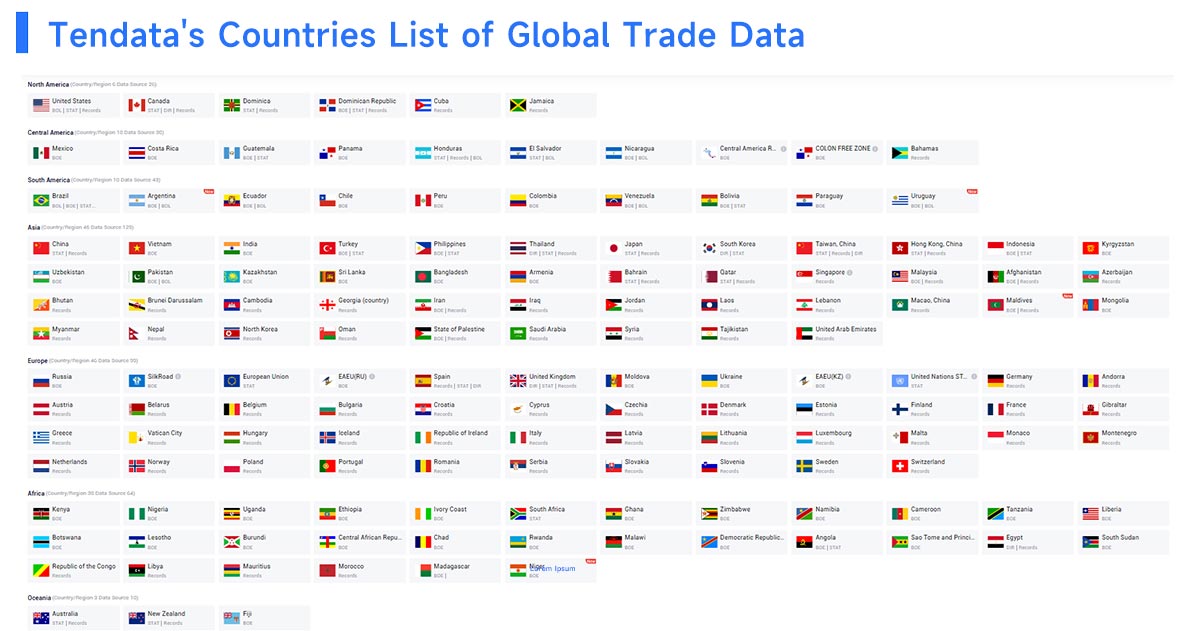
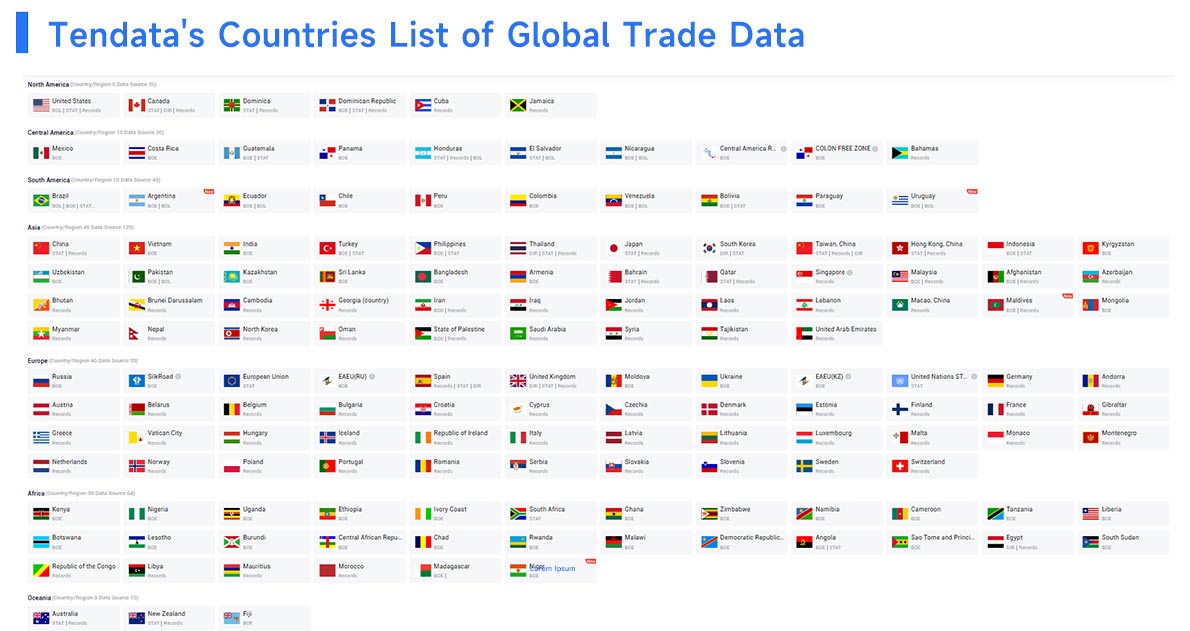
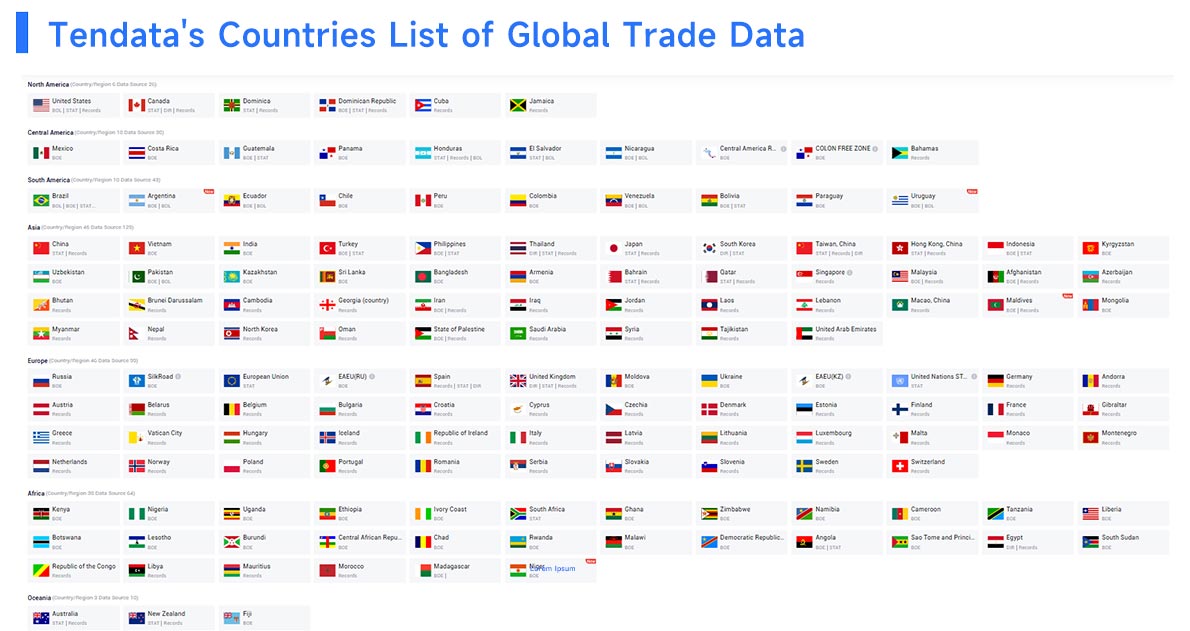
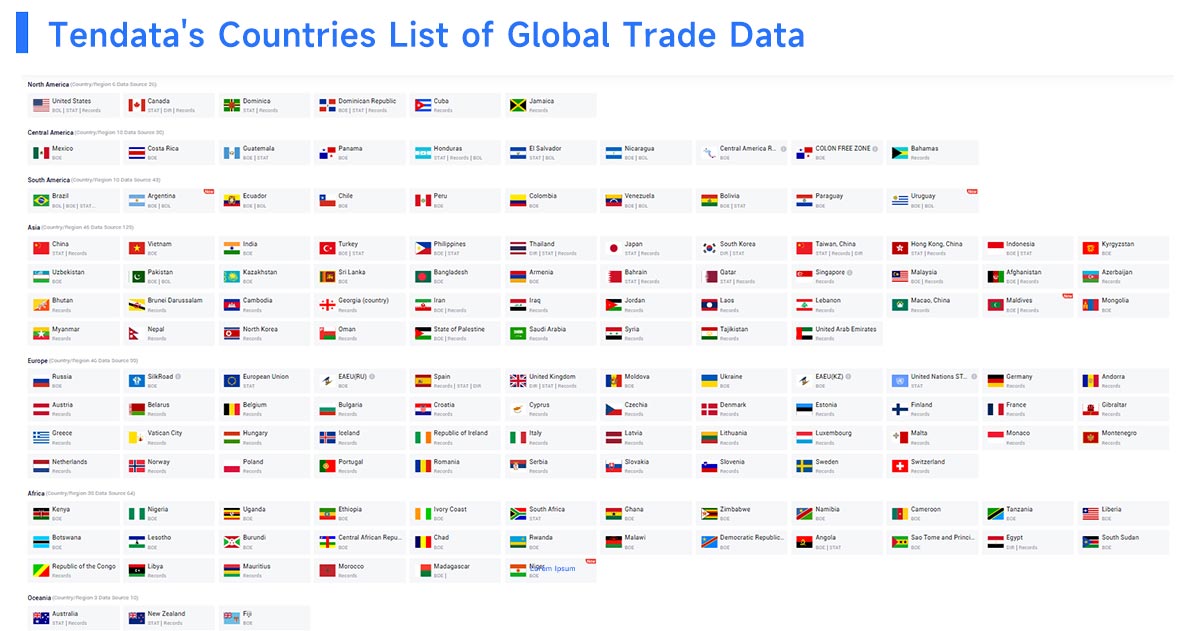
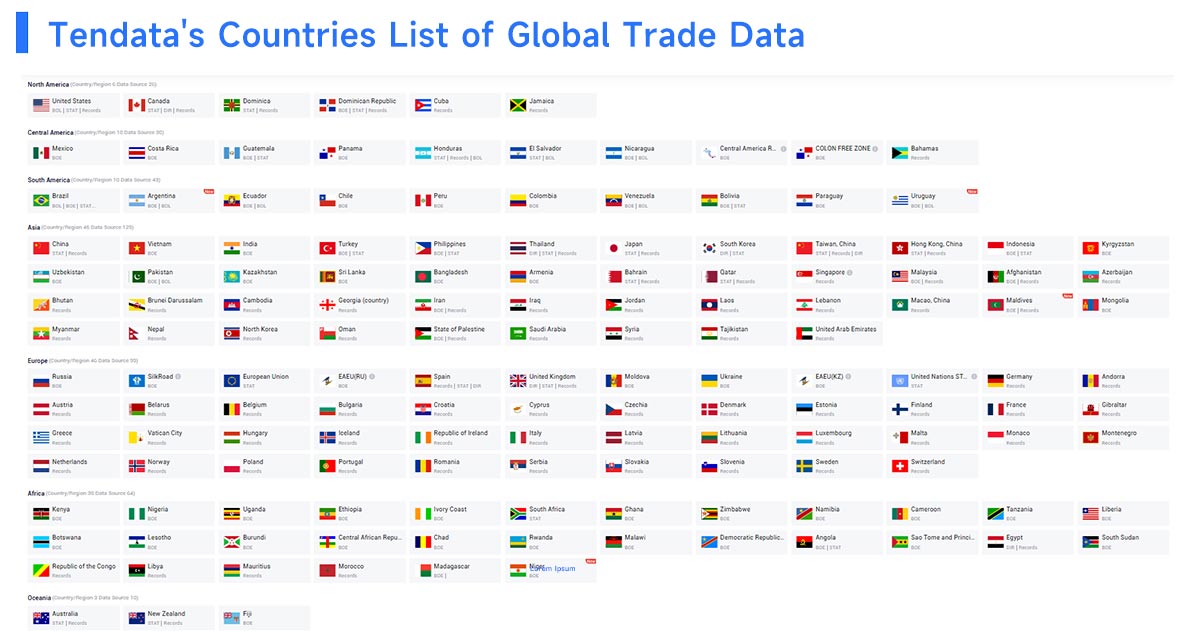
Coverage: 228 countries and regions worldwide
Data Features: One of the industry's largest commercial trade data platforms with 10+ billion transaction records and 130+ million buyer profiles. Provides complete bill-of-lading-level trade data including buyer, supplier, product description, quantity, value, and ports. Features AI-powered analytics for market insights, customer acquisition, and supply chain management.
Use Cases: Precision customer acquisition, competitor monitoring, supply chain optimization, multi-dimensional market analysis
Limitations: Commercial platform (paid); free trial available but full access requires subscription
Why It Leads: Broadest global coverage, transaction-level granularity, and integrated AI capabilities make it the go-to platform for enterprises that need actionable trade data rather than aggregated statistics.
>>> Get a Free Demo from Tendata <<<
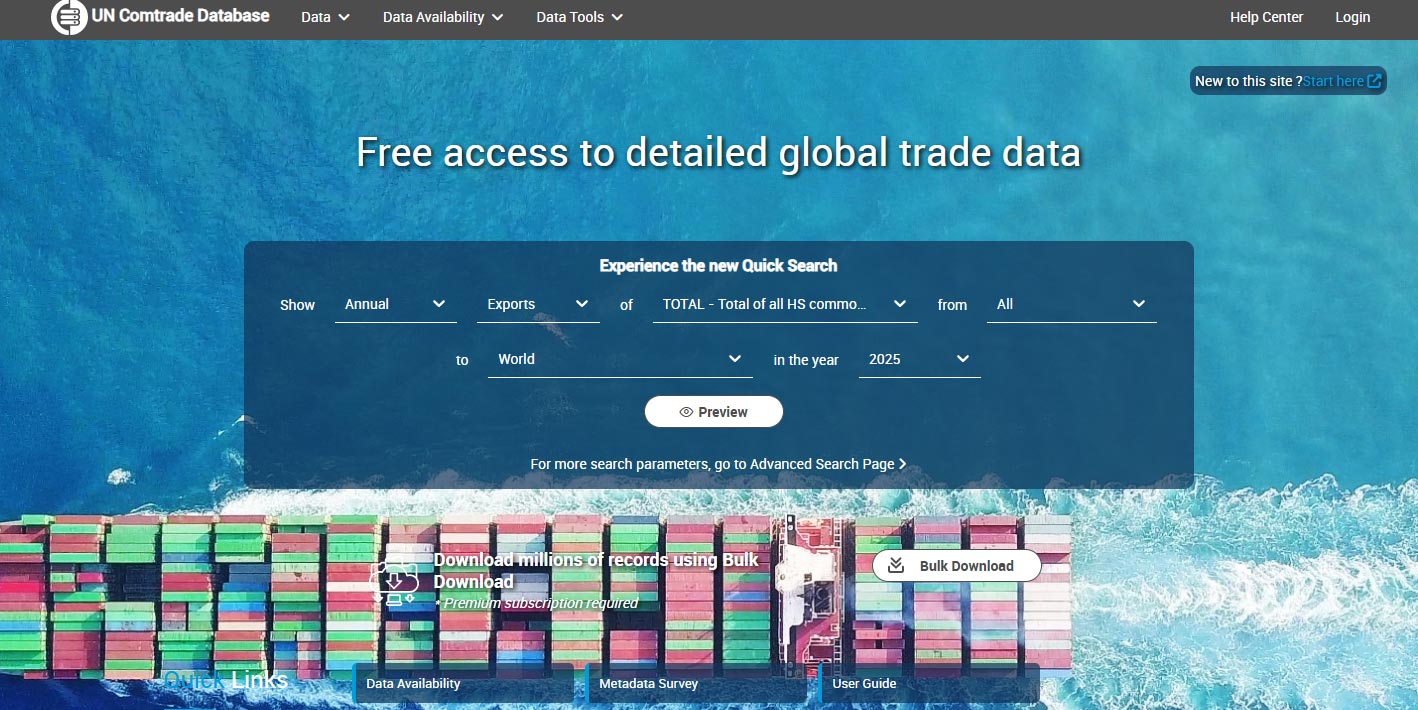
2. UN Comtrade (United Nations Commodity Trade Statistics Database)
Coverage: 200+ countries and regions worldwide
Data Features: The world's most comprehensive official trade statistics database, providing annual and monthly import/export aggregated data
Use Cases: Macro market analysis, trade trend research, academic studies
Limitations: Aggregated statistics only; no transaction-level bill of lading (B/L) records
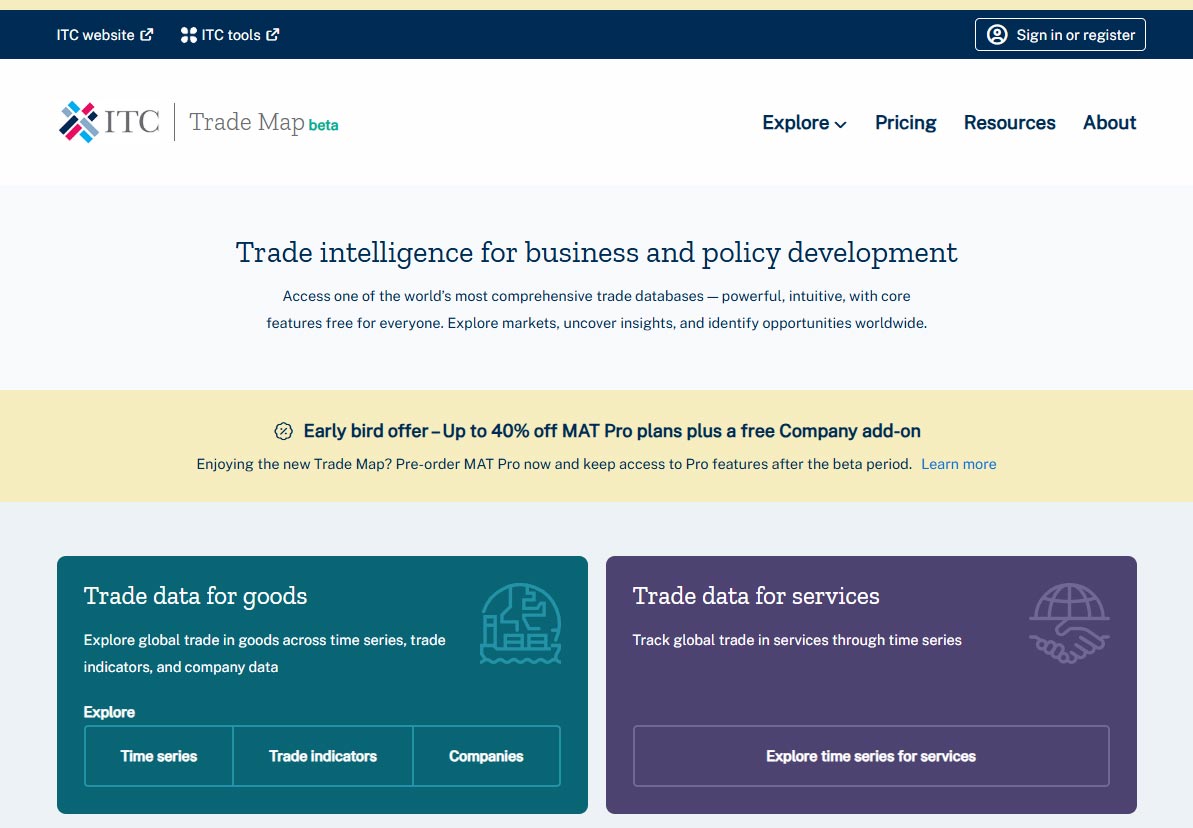
3. ITC Trade Map
URL: https://www.trademap.org/
Coverage: 230+ economies
Data Features: Operated by the International Trade Centre (ITC), offering monthly, quarterly, and annual trade data with HS code search support
Use Cases: Export market selection, product competitiveness analysis, trade flow visualization
Limitations: Free registration comes with query limits; advanced features require payment
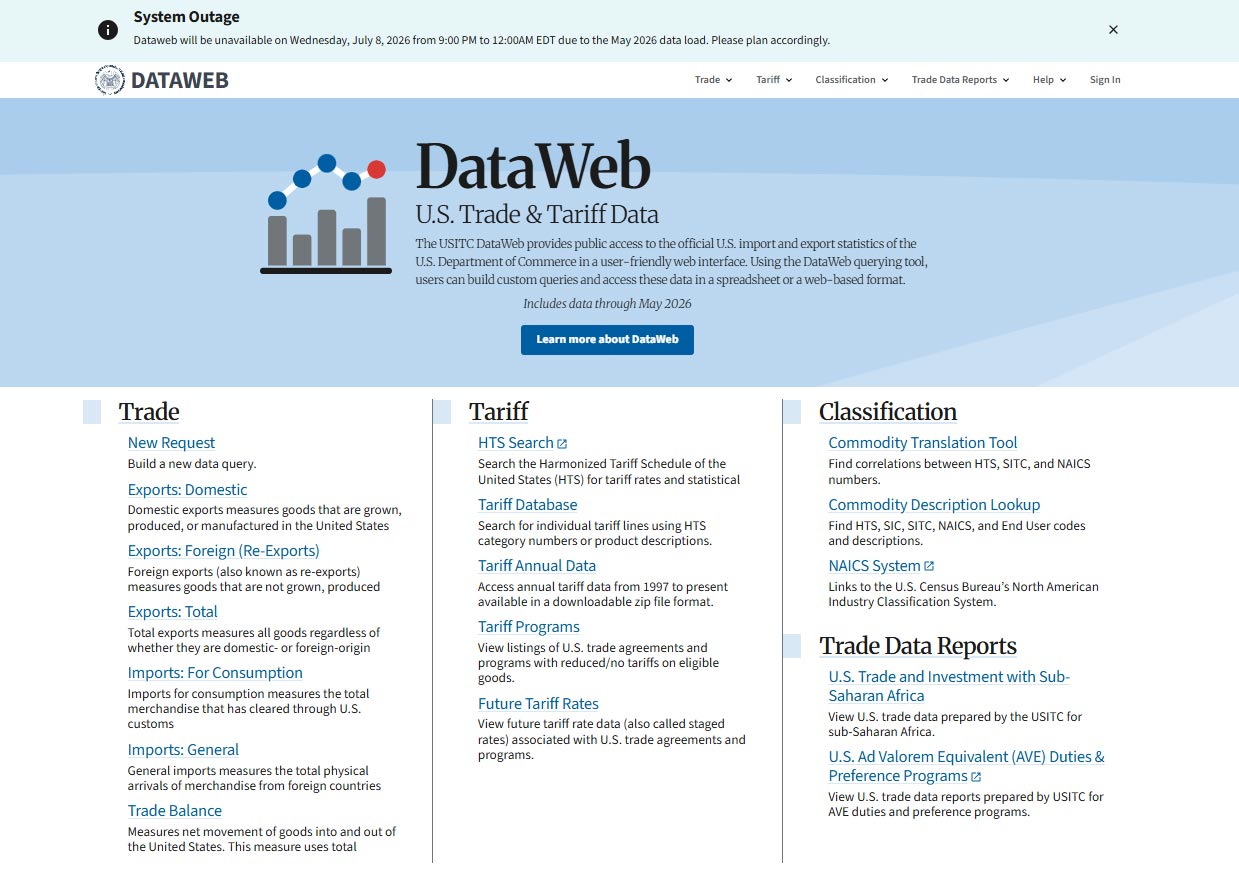
4. USITC DataWeb (U.S. International Trade Commission)
URL: https://dataweb.usitc.gov/
Coverage: U.S. import and export data
Data Features: Official U.S. trade data platform providing detailed import/export statistics and tariff information
Use Cases: U.S.-focused trade analysis, tariff policy research
Limitations: Covers only the U.S. market
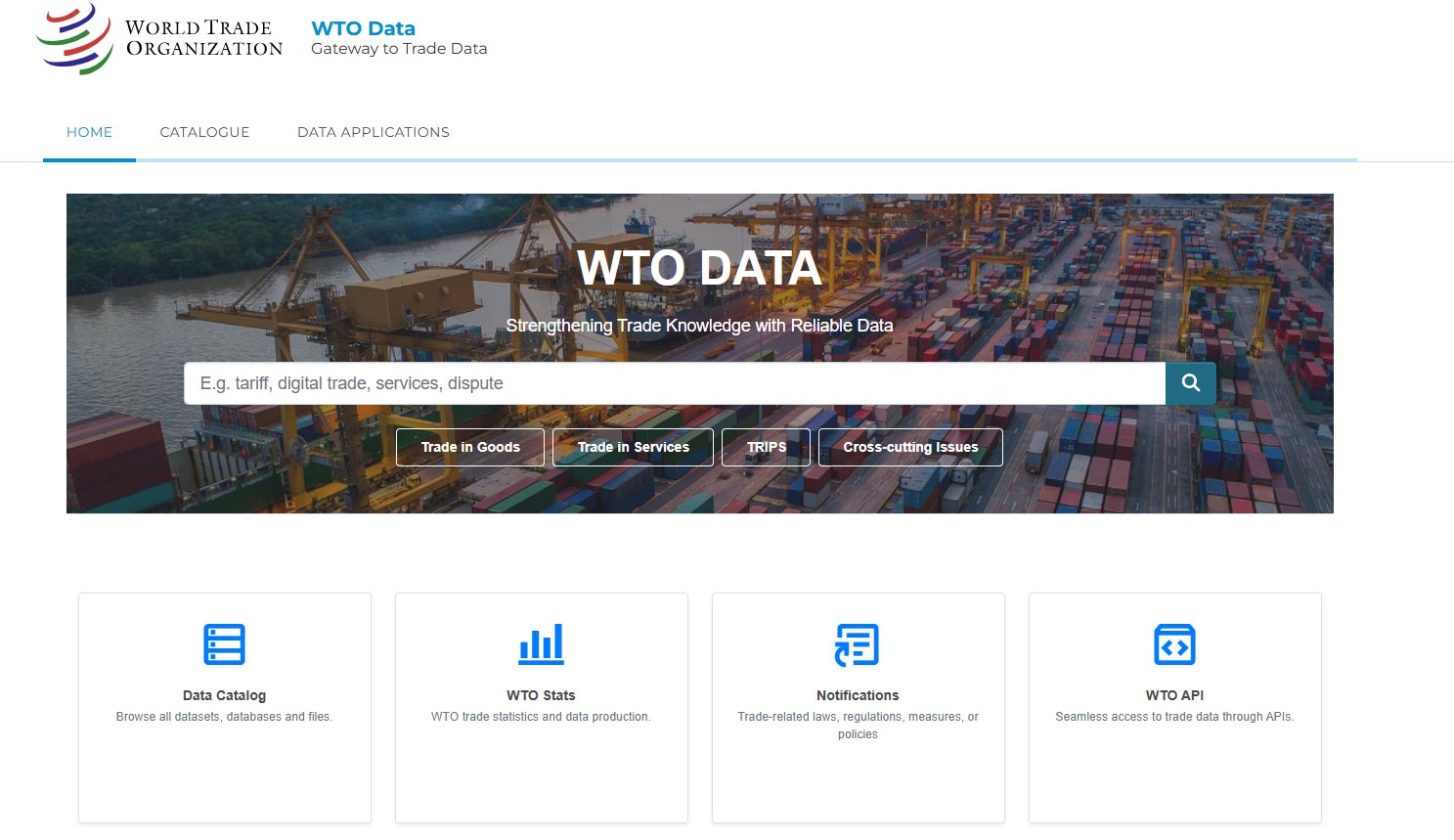
5. WTO Global Trade Statistics Portal
URL: https://wto.org/statistics
Coverage: 120+ economies, 200+ trade partners
Data Features: WTO's official monthly merchandise trade statistics tool, supporting bilateral trade data queries
Use Cases: Global trade policy analysis, multilateral trade trend tracking
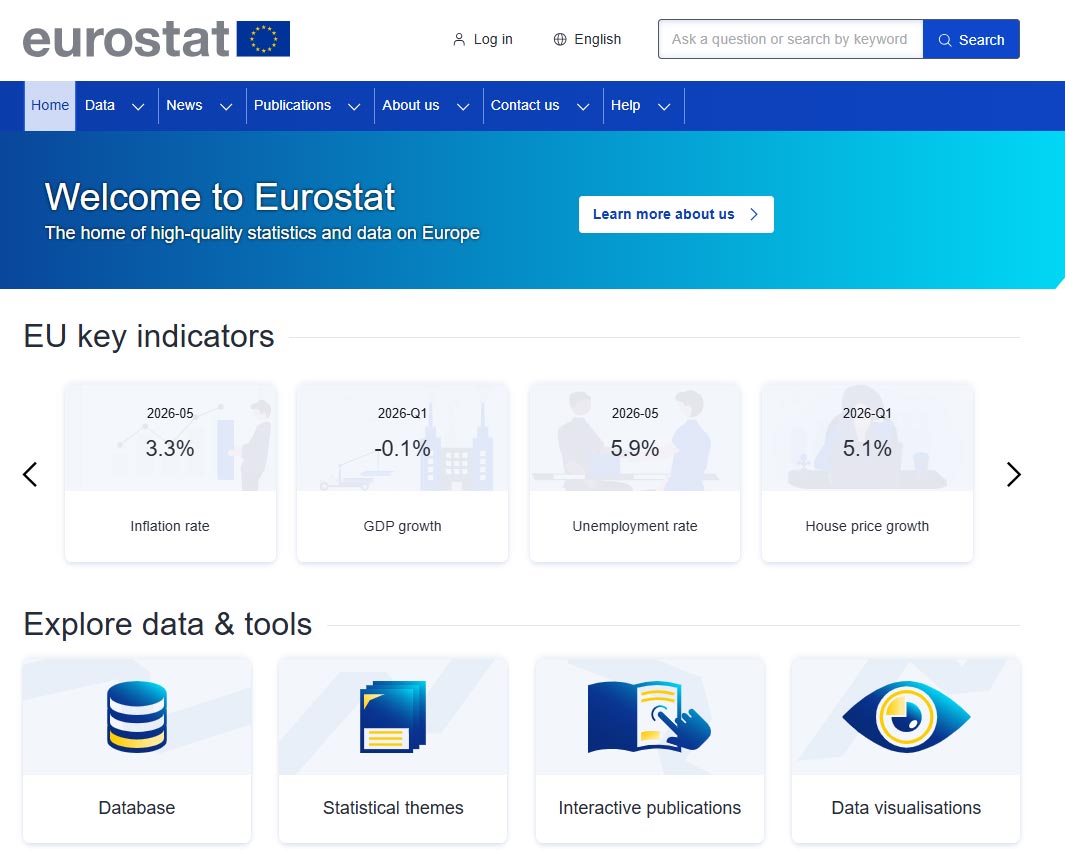
6. Eurostat (European Union Statistics Office)
URL: https://ec.europa.eu/eurostat
Coverage: 27 EU member states
Data Features: Official EU statistical data platform providing detailed intra-EU and extra-EU trade data
Use Cases: European market entry strategy, intra-EU trade analysis
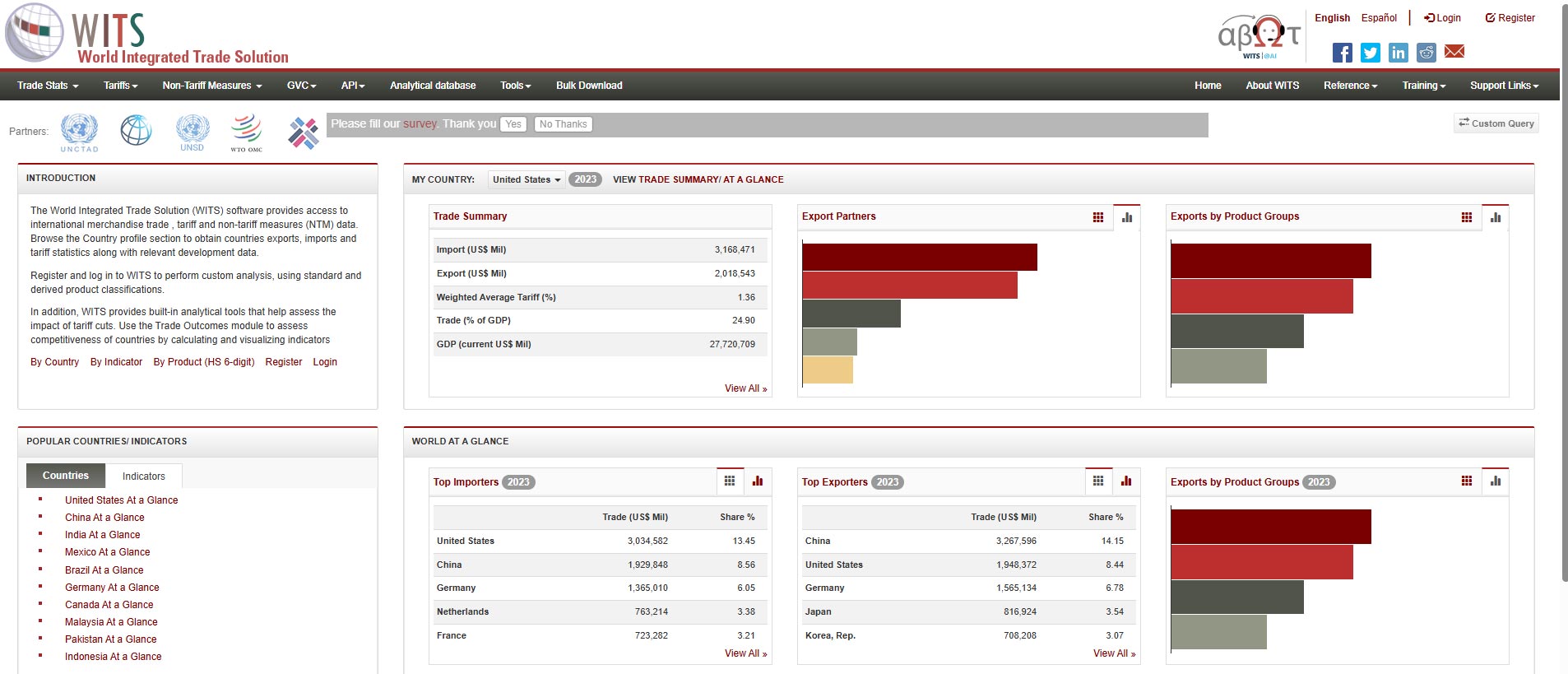
7. World Integrated Trade Solution (WITS)
URL: https://wits.worldbank.org/
Coverage: Global
Data Features: Operated by the World Bank, integrating UN Comtrade, WTO, UNCTAD, and other trade data sources; supports tariff and trade barrier queries
Use Cases: Trade policy simulation, tariff impact analysis
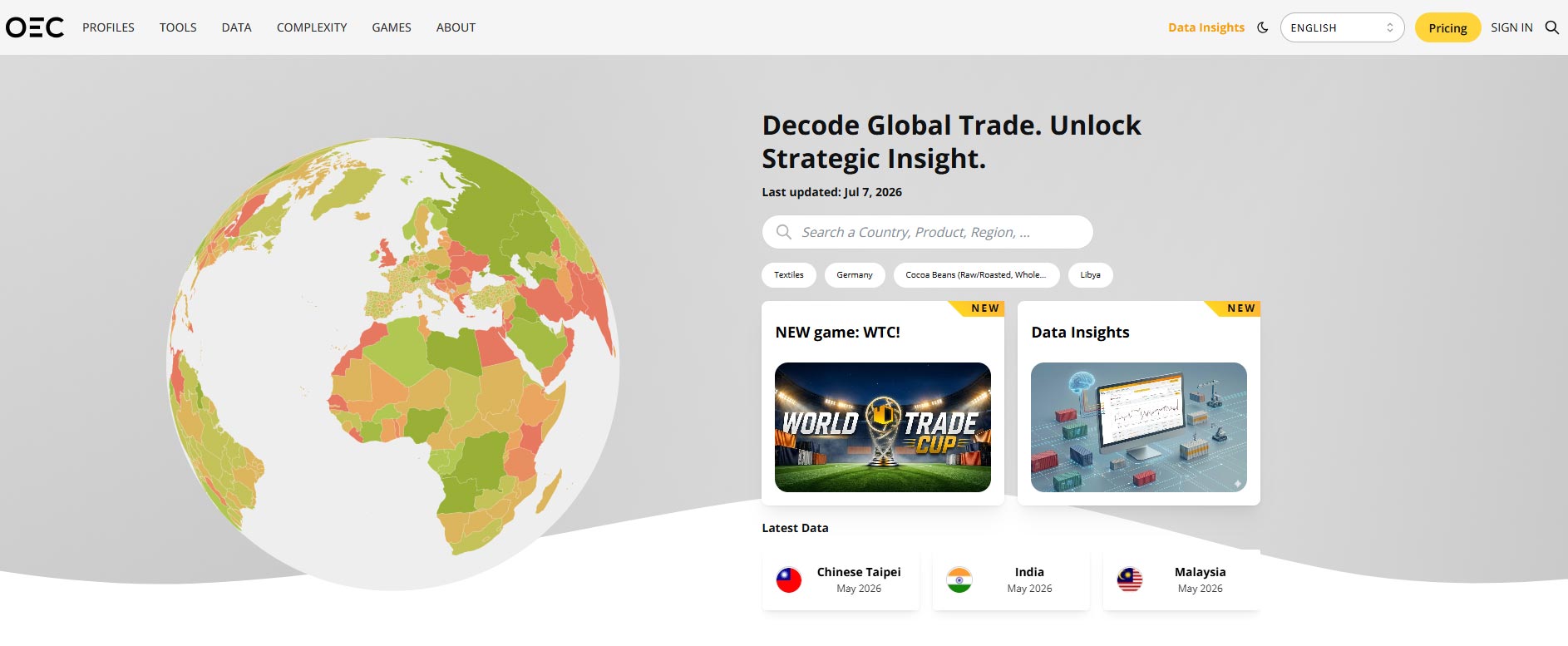
8. OEC (Observatory of Economic Complexity)
URL: https://oec.world/
Coverage: 5,000+ product categories, 5,000+ sub-national regions worldwide
Data Features: Known for data visualization, offering unique dimensions such as trade complexity indices and product space analysis
Use Cases: Industry competitiveness research, economic diversification analysis
Common Limitations of Free trade data Platforms
While free platforms lower the barrier to data access, they share several common limitations:
| Limitation Dimension | Specific Manifestation |
|---|---|
| Data Granularity | Mostly aggregated statistics; lacks transaction-level bill of lading (B/L) details |
| Company Information | Typically excludes buyer/supplier contact details and decision-maker information |
| Update Frequency | Monthly or quarterly updates, lagging behind real-time trade dynamics |
| Coverage Depth | Missing or inconsistent data for certain countries (especially Europe and Africa) |
| Analytical Tools | Lacks supply chain mapping, customer profiling, AI-powered recommendations, and other advanced features |
For trade enterprises that need precision customer acquisition, competitor monitoring, and supply chain optimization, relying solely on free trade data is often insufficient.
Tendata: The Professional trade data Platform Upgrade
When free platforms cannot meet in-depth business needs, commercial-grade trade data platforms become the natural choice. Tendata, as a leading customs data query and intelligent foreign trade service platform in China, offers significant advantages in this space:
Core Advantages
· Broadest Global Coverage: Covers customs data from 228 countries and regions worldwide, with 10+ billion trade transaction records, ranking among the industry leaders in data volume
· Transaction-Level Detail: Unlike the aggregated statistics of free platforms, Tendata provides complete bill-of-lading-level trade data including fields such as buyer, supplier, product description, quantity, value, and ports
· Commercial Relationship Database: Integrates 2+ billion transaction records with 130+ million buyer profiles, supporting precision customer acquisition by product, HS code, company name, and multiple other dimensions
· AI-Powered Analytics: Tendata iTrader V6.0 deeply integrates AI into trade data services, achieving full-chain intelligence across market insights, customer acquisition, and supply chain management
· Multi-Dimensional Analytical Capability: Beyond providing single customer or product trade records, Tendata enables enterprises to identify high-value markets, uncover customer growth opportunities, support product R&D, optimize supply chains, and manage risks through multi-dimensional data analysis
Tendata vs. Free Platforms Comparison
| Dimension | Free Platforms (UN Comtrade / ITC, etc.) | Tendata |
|---|---|---|
| Data Granularity | Aggregated statistics | Transaction-level B/L details |
| Company Information | None or limited | 130M+ buyers, 850M+ contacts |
| Update Frequency | Monthly/quarterly | Real-time / high-frequency updates |
| Analytical Tools | Basic charts | AI-powered recommendations, supply chain mapping, customer profiling |
| Use Cases | Macro research, academic analysis | Precision acquisition, competitor monitoring, supply chain optimization |
Conclusion: Trade Data is the Foundational Infrastructure for Trade Growth
Regardless of whether you choose free or commercial platforms, the value of customs data itself is undeniable for businesses seeking sustainable global trade growth.
Recommended Path:
Step 1: Leverage free trade data platforms for macro market screening and trend assessment
Step 2: After locking in target markets, use commercial platforms (such as Tendata) to obtain transaction-level details and buyer contact information
Step 3: Integrate trade data with customer acquisition, email marketing, supply chain management, and other business processes to form a closed data loop
Free platforms help you "see the direction," while commercial platforms help you "strike with precision." Combining both is the right approach for trade enterprises to maximize the value of trade data.
Category
Leave Message for Demo Request or Questions