 Tendata AI
  Trade Data Provider
 2026-06-29
When people start searching for import export data, they often assume all platforms provide the same level of accuracy and detail. In reality, many tools on the market are over-promised and under-deliver. This article shares several free or partially free platforms that can help you access import export data more effectively and understand how different datasets actually work in practice.
If you are working in global trade, sourcing, or market research, understanding how to properly use import export data can significantly improve your decision-making and reduce trial-and-error costs.
What is Import Export Data?
Before choosing any platform, it’s important to understand what import export data actually includes and how it is structured.
In general, import export data comes from two major sources: bill of lading data and customs declaration data. These two types are often confused, but they serve different purposes.
1. Bill of Lading Data
Bill of lading (B/L) data refers to shipping documents issued by carriers (such as shipping lines) to shippers. This type of import export data typically includes:
· Exporter and importer names
· Loading and unloading ports
· Product descriptions
· Quantity and weight
It is widely used in basic trade tracking and early-stage market research.
2. Customs Declaration Data
Customs data is a more detailed form of import export data, collected directly from customs authorities. It usually includes richer fields such as:
· HS codes
· Detailed product descriptions
· Transaction values
· Shipping routes
· Company information
Compared with B/L data, customs-based import export data is more accurate and better suited for deep analysis.
Free Platforms to Access Import Export Data
Below are several platforms where you can explore import export data, especially for initial research and market exploration.
1. Tendata (Recommended Trade Intelligence Platform)
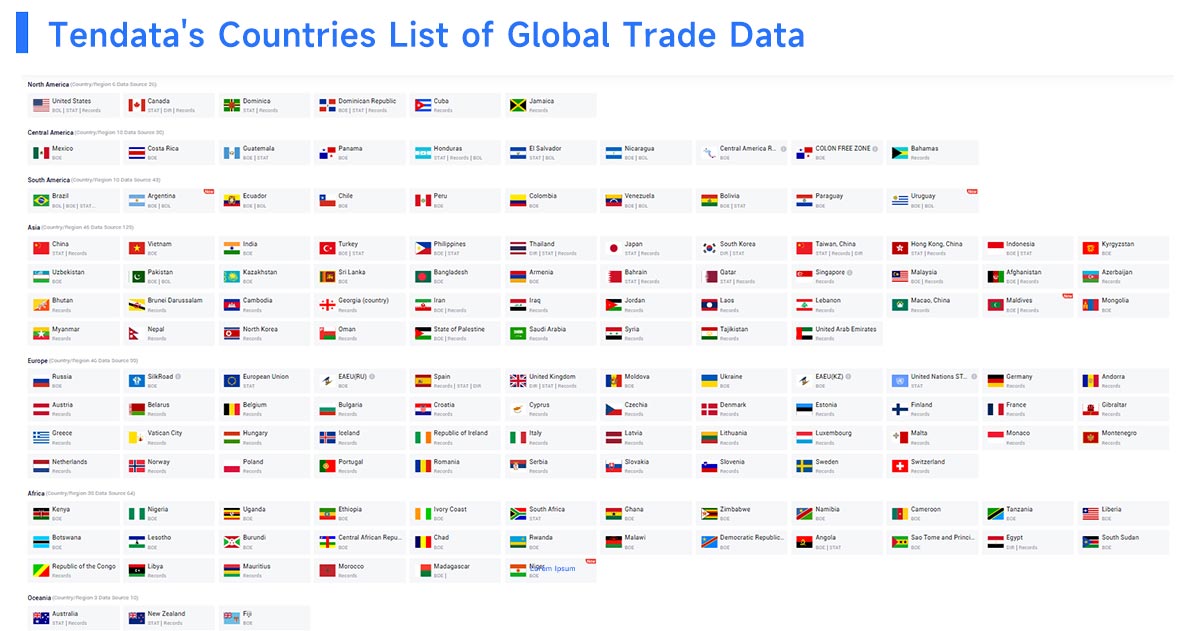
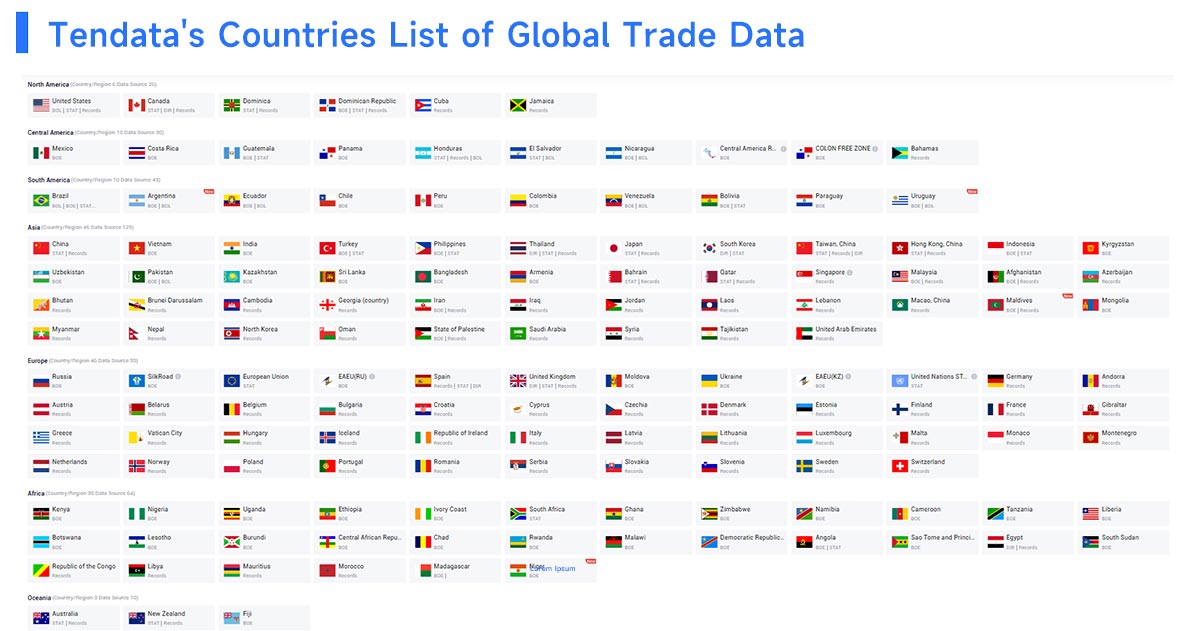
Tendata provides one of the most comprehensive import export data databases in the market, covering over 228+ countries and regions. It includes importers, exporters, HS codes, product names, prices, quantities, origin countries, and destination markets.
Beyond basic import export data, Tendata also integrates:
· 198+ countries of business data
· 850M+ enterprise contact profiles
· Decision-maker information (phone, email, SNS, company website, financials)
This makes it a powerful all-in-one trade intelligence platform.
How Tendata helps with import export data:
a. Identify high-quality buyers
With real-time import export data, users can quickly identify core buyers in target markets like Indonesia and track every transaction record from importers and competitors.
>>> Get a Free Demo from Tendata <<<
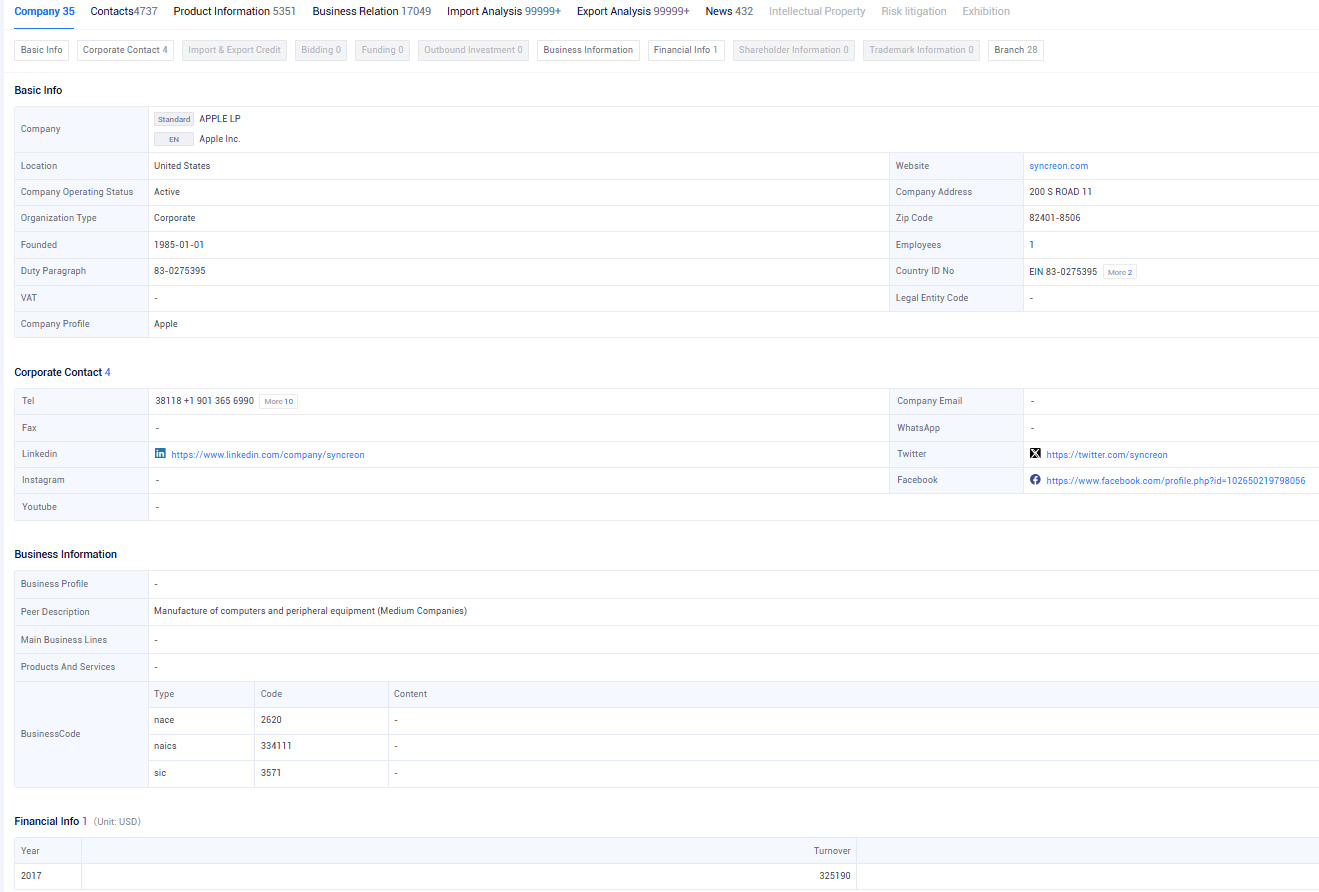
b. Understand product trends
By analyzing large-scale import export data, users can discover trending products (such as mobile accessories) and adjust their product strategy accordingly.
c. Optimize supply chains
Tendata’s import export data helps track supplier origins, trade frequency, and logistics patterns to improve efficiency and reduce costs.
>>> Get a Free Demo from Tendata <<<
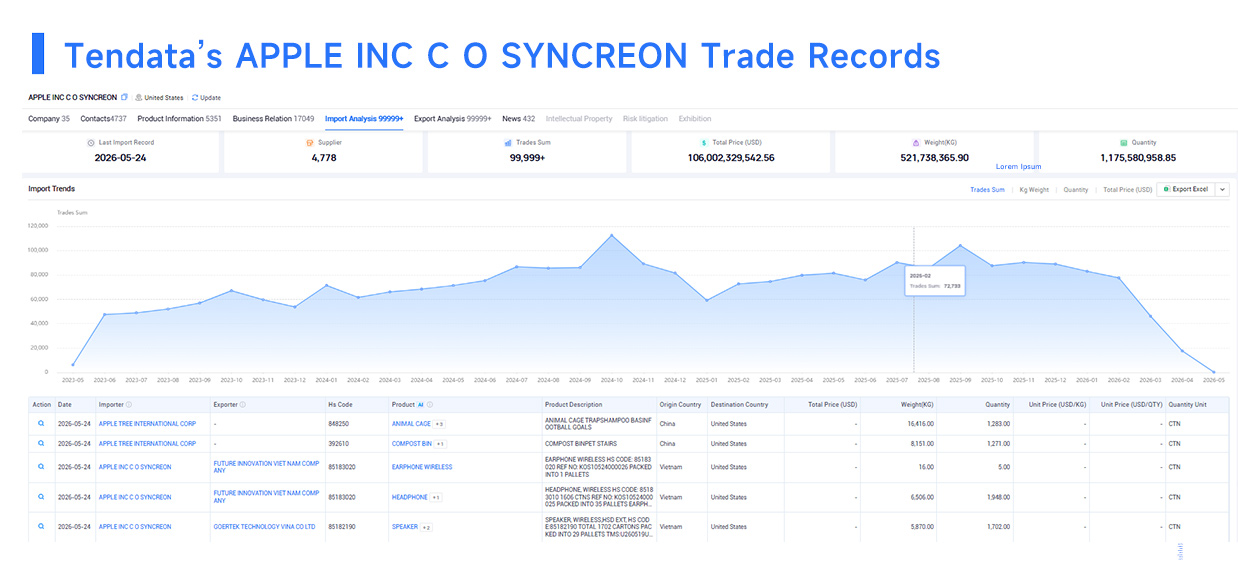
d. Predict market opportunities
Regional import volumes, buyer distribution, and top importer rankings from import export data provide a clear view of market potential.
>>> Tendata’s Onions Market Lifecycle Analysis <<<
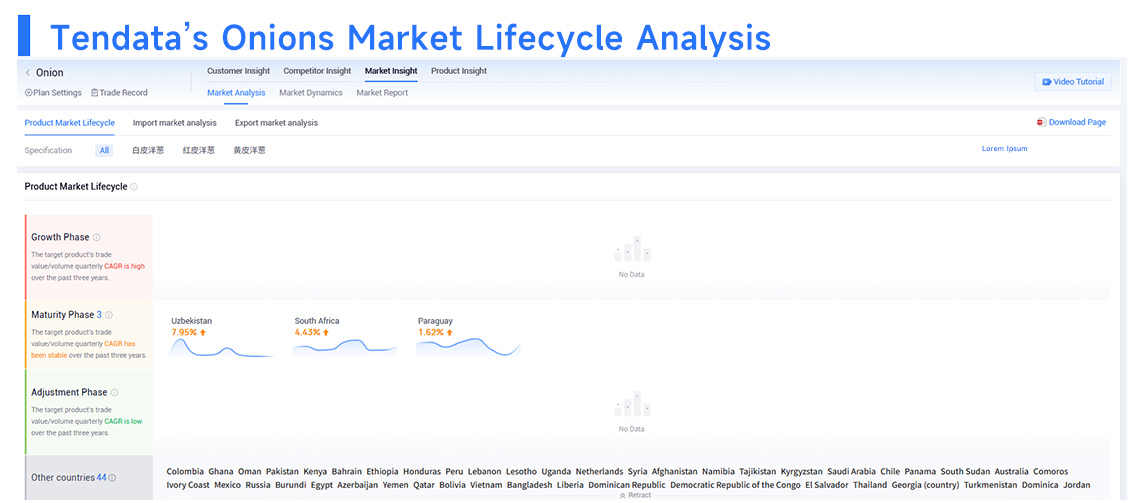
e. Smarter decision-making
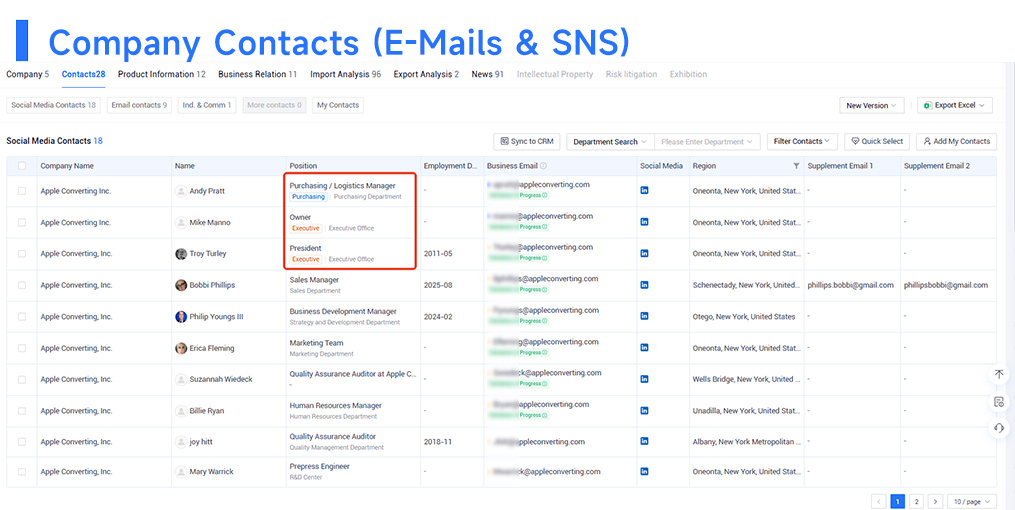
AI-powered verification tools allow users to validate buyers and access verified contacts, making import export data more actionable for sales teams.
In short, Tendata turns raw import export data into actionable insights, helping businesses make faster and more confident decisions based on real trade activities.
>>> Obtaining Customer Contact Information from Tendata <<<
2. Port Examiner
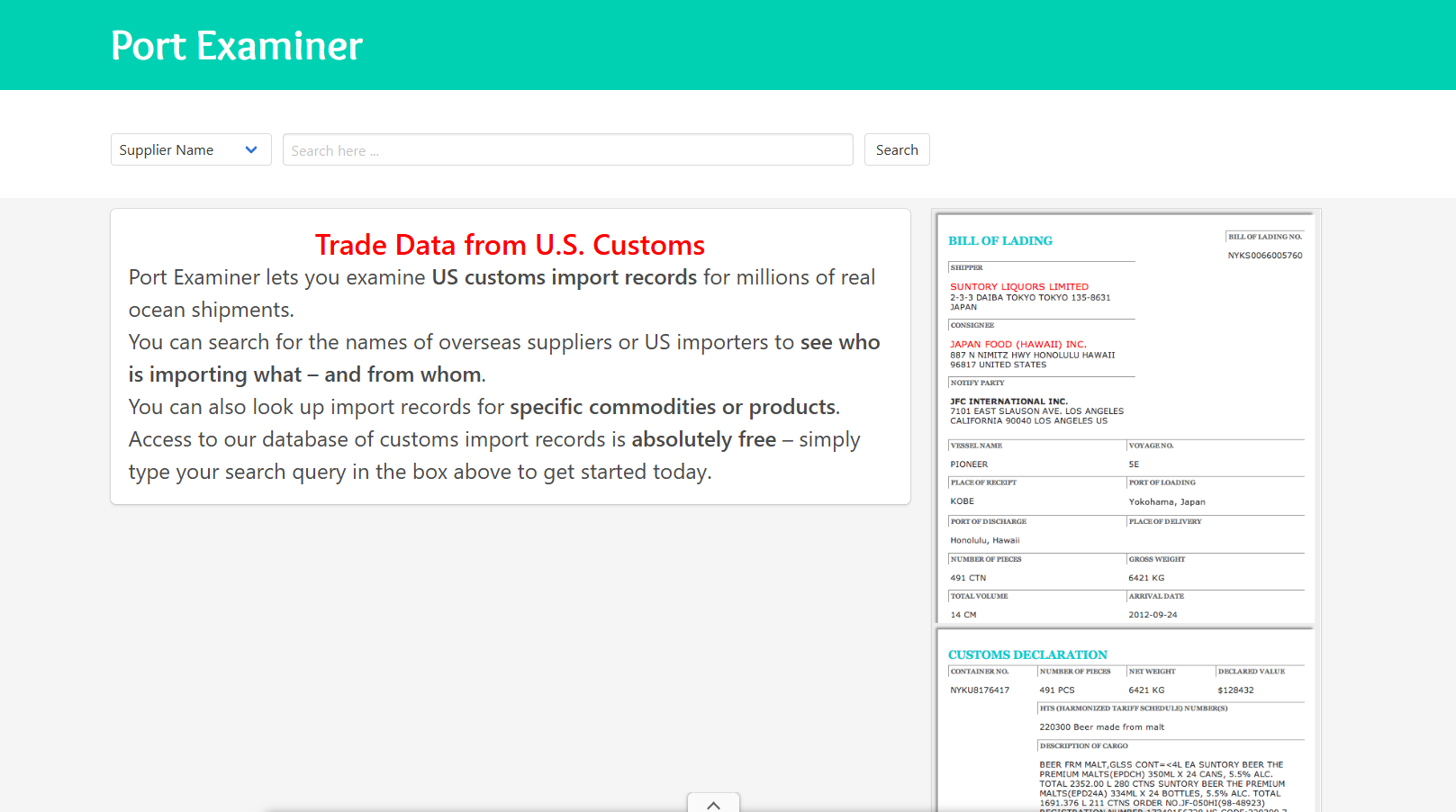
Port Examiner ( https://portexaminer.com/ )provides access to U.S.-based import export data, mainly sourced from real shipping bills of lading. You can search by keyword and view basic shipment records for free.
However, the free version of this import export data platform has limitations:
· Key fields such as full product descriptions are hidden
· Detailed shipper and consignee data requires a paid plan
· Only covers U.S. trade flows
It is useful for quick checks but not suitable for global import export data research.
3. UN Comtrade Database
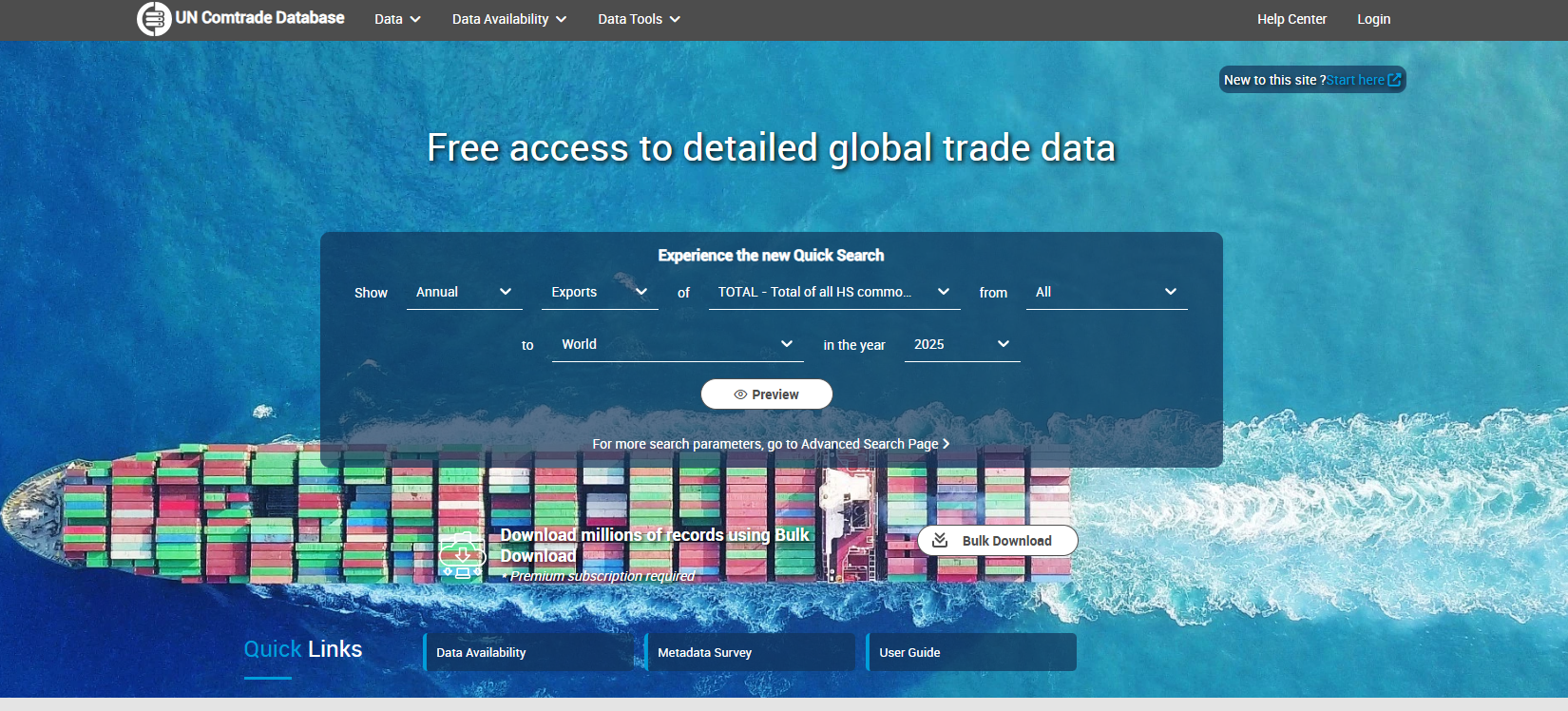
UN Comtrade ( https://comtradeplus.un.org/ ) is one of the most widely used global databases for accessing official import export data reported by governments.
It covers trade statistics from most countries and is commonly used for economic research and market analysis.
However, its limitations include:
· Focuses mainly on macro-level statistical import export data, not shipment-level details
· Limited company-level or buyer-specific information
· Data is often aggregated, which reduces usability for direct sales prospecting
Overall, UN Comtrade is a reliable source for high-level import export data, but it is more suitable for market overview and trend analysis rather than detailed customer development.
4. UKTradeInfo
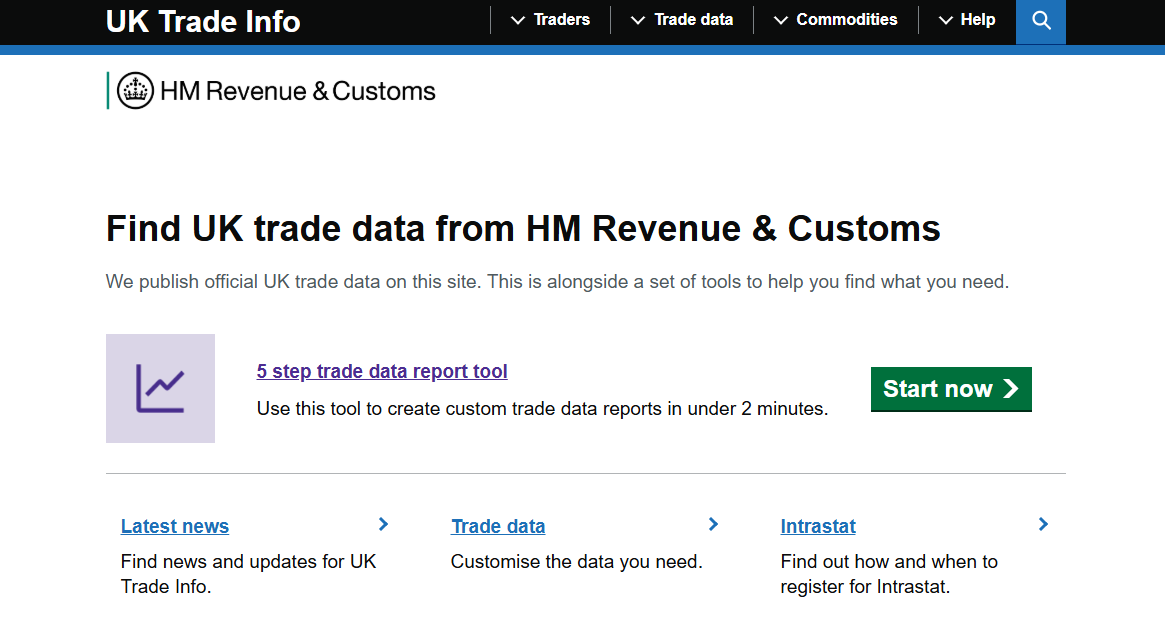
UKTradeInfo ( https://www.uktradeinfo.com/ ) is an official UK government platform providing national trade statistics and import export data.
Key features:
· Reliable government-sourced import export data
· Macro-level trade analysis tools
· Multiple query filters for statistical research
However, it is not designed for commercial lead generation. If your goal is to find specific buyers using import export data, this platform has limited usefulness because it focuses more on national trade trends than company-level insights.
Final Thoughts
When exploring import export data, it’s important to understand that not all platforms serve the same purpose. Some tools focus on macroeconomic statistics, while others provide detailed shipment-level insights or buyer intelligence.
If your goal is serious business development, relying only on basic or fragmented import export data sources may limit your growth. Platforms like Tendata offer a more complete ecosystem by combining global trade flows, company intelligence, and contact data into one system.
Summary
In summary, import export data is a powerful resource for understanding global trade, identifying buyers, and analyzing market trends. Free platforms like Port Examiner, Clothes etc, and UKTradeInfo can help with basic research, but they each come with limitations in coverage, depth, or usability.
For more advanced needs, a comprehensive solution like Tendata provides deeper, more actionable import export data, helping businesses move from simple data lookup to a real market expansion strategy.
Ultimately, the better you understand and apply import export data, the more effectively you can identify opportunities, reduce risks, and scale your international business.
Category
Leave Message for Demo Request or Questions