 Tendata AI
  Trade Data Provider
 2026-06-30
This is a practical guide for anyone doing international trade research and wondering whether import export data is actually useful for finding real buyers.
Let’s be honest, there’s a lot of hype around trade data tools. Some people say they are a “game changer,” while others think they are useless. The truth lies somewhere in between. If used correctly, import export data can become one of the most powerful tools for B2B lead generation. But if used blindly, it can also lead to wasted money and poor decisions.
Below, we break everything down clearly so you can understand the real value of import export data and how platforms like Tendata help businesses make smarter decisions.

1. Import export data is a must-have tool for finding real buyers
The biggest advantage of import export data is simple: it shows real trading activity.
Unlike Google or LinkedIn searches, which only show company profiles or marketing information, import export data is based on real customs records such as bills of lading and customs declarations. This means the companies you find are not just “potential” buyers—they are actual importers with verified purchasing history.
For example, if you search “LED lighting” on Google, you might find hundreds of companies selling lighting products. But you still don’t know whether they import from China.
However, if you search the same keyword in import export data, you can directly find companies that have already imported LED lighting products multiple times. That instantly removes guesswork and makes your outreach far more accurate.
In short, import export data helps you focus only on companies that are already active in international trade.
2. Import export data ensures high accuracy in customer targeting
Another key strength of import export data is accuracy.
Many traditional methods only show partial information. Even with strong research skills, you are still likely to miss a large number of potential buyers. But import export data works differently; it captures real transaction records.
If a company imports products in countries where customs data is available, it will appear in the system. This allows you to find almost the entire pool of relevant buyers simply by searching keywords.
That’s why import export data is often considered one of the most efficient ways to build a high-quality customer list. It reduces random outreach and replaces it with data-driven targeting.
3. Import export data coverage depends on your product
Although import export data is powerful, its value is not the same for every industry.
This is something many people overlook. Some expect trade data to work equally well for all products, but that is not realistic.
If your product has a large number of global transactions, import export data may show thousands or even tens of thousands of records. In that case, it becomes a “gold mine” of potential customers.
However, if your product is niche or has limited trade activity, the number of records in import export data may only be a few hundred. In such cases, the return on investment of purchasing a data platform may be lower.
So instead of blindly trusting opinions, the smarter approach is to test your own product keywords in an import export data platform. Check how many records appear, how many buyers are active, and whether the data coverage is strong enough for your business.
4. How Tendata uses import export data to support real business growth
One of the most effective ways to apply import export data is through platforms like Tendata.
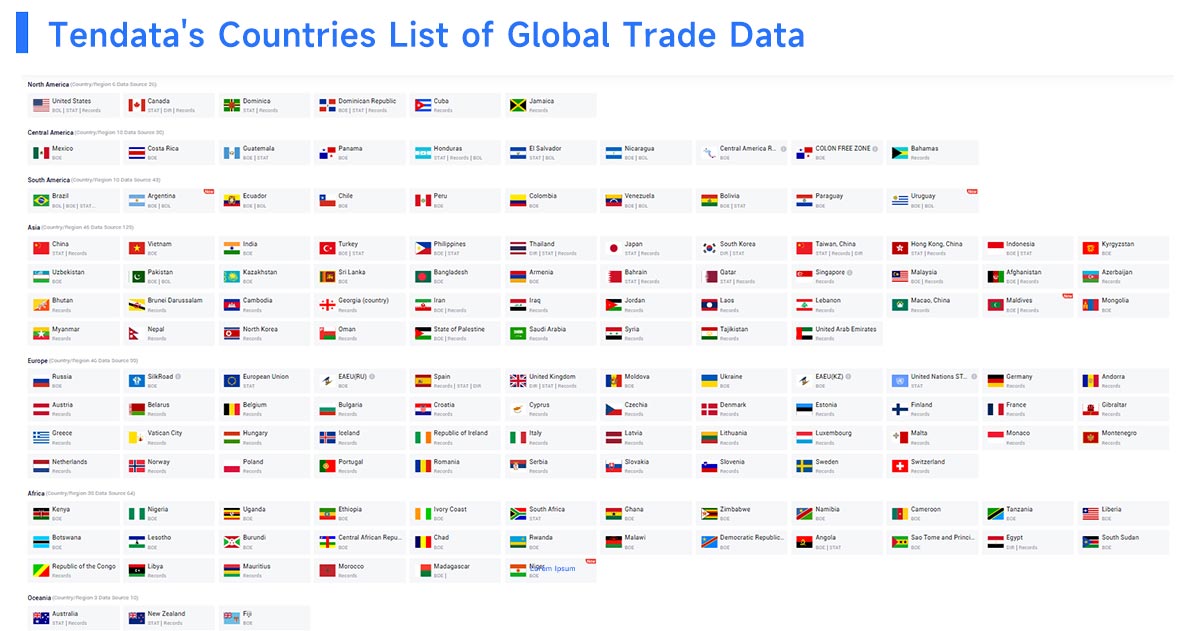
Tendata aggregates import export data from over 228 countries and regions, including customs records, shipping documents, trade statistics, and reconstructed datasets. This helps businesses build a clearer picture of global trade activity.
Instead of just showing raw data, Tendata helps users turn import export data into actionable insights:
• Market understanding through import export data
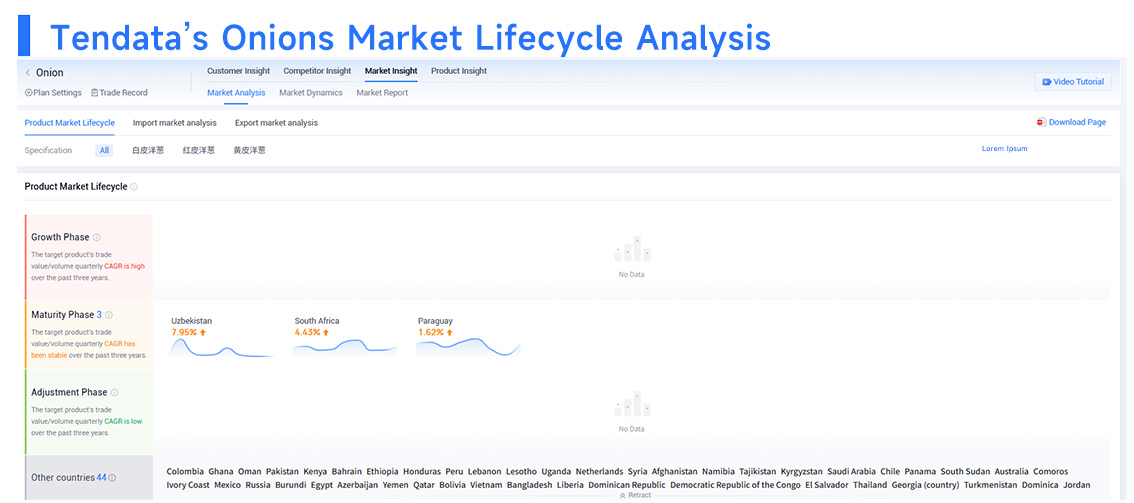
You can analyze global demand patterns, identify major importing countries, and track product trends. This helps you understand where your market is growing and where opportunities exist. Example: Using HS code 070310 (onions) to explore trade dynamics.
>>> Tendata’s Onions Market Lifecycle Analysis <<<
• Competitor tracking using import export data
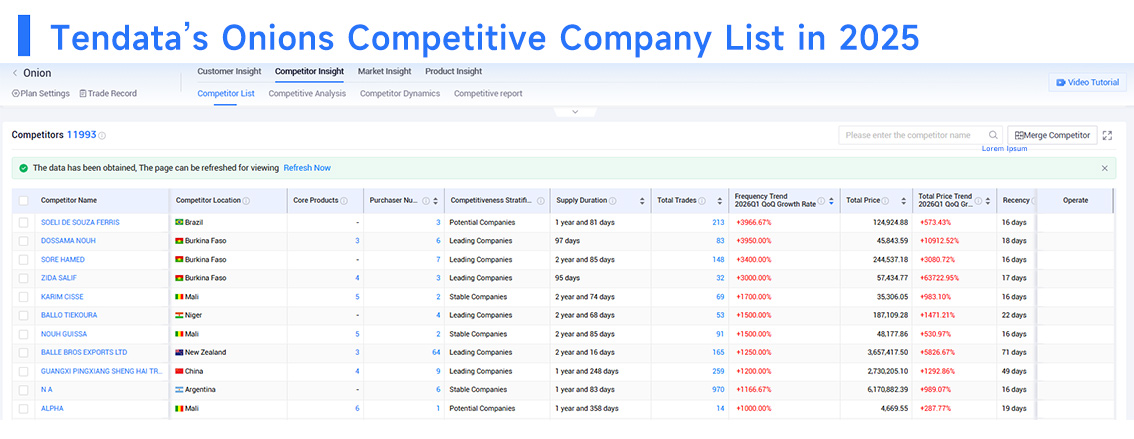
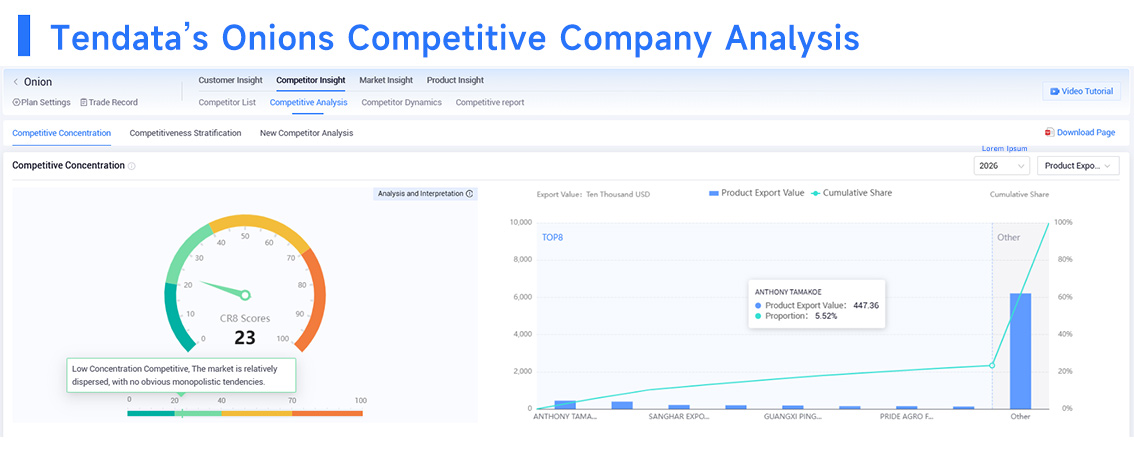
By studying trade records, you can see how often competitors ship, which markets they focus on, and how their supply chains operate. This gives you a clearer competitive strategy.
>>> Tendata’s Onions Competitive Company List in 2025 <<<
>>> Tendata’s Onions Competitive Company Analysis <<<
• Lead generation powered by import export data
Most importantly, import export data helps you identify real buyers. You can see who is buying your products, how frequently they purchase, and in what quantities. This makes it easier to prioritize high-value prospects.
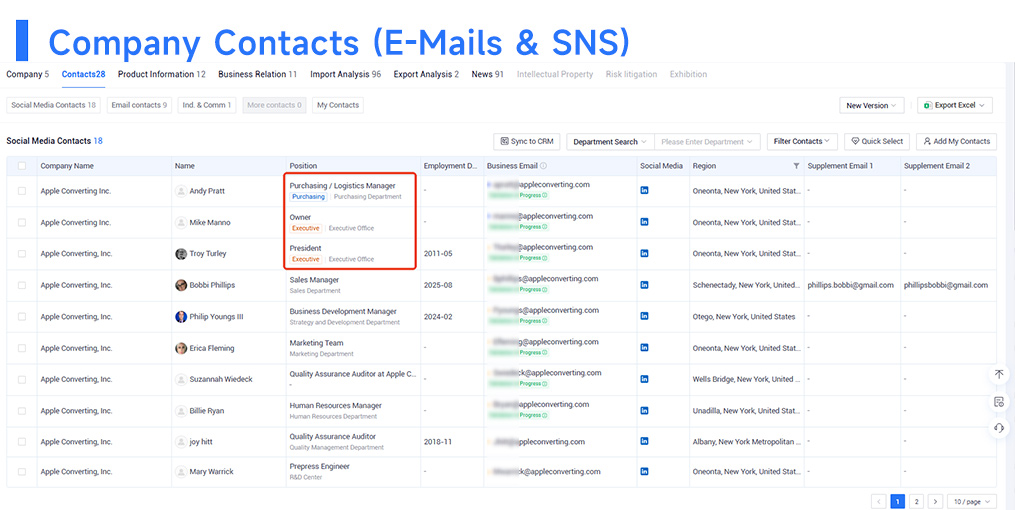
In addition, Tendata connects trade records with contact information such as emails and professional profiles, helping users move from data analysis to direct outreach more efficiently.
>>> Obtaining Customer Contact Information from Tendata <<<
Conclusion: Is import export data really worth it?
Yes—but only if used correctly.
Import export data is not magic, and it is not a one-size-fits-all solution. Its real value depends on your product type, your target market, and how you use the data.
When applied properly, import export data can help you:
· Find real, verified buyers
· Reduce wasted outreach
· Understand market structure
· Track competitors
· Build high-quality leads faster
However, before investing in any platform, always test your own product keywords in import export data first. Let the data speak for itself.
Used strategically, import export data is not just a research tool; it is a real growth engine for international trade businesses.
Summary
Import export data provides real customs-based trade records that help businesses find verified buyers instead of guessing through search engines. Its effectiveness depends on product coverage, but when used correctly, import export data can significantly improve lead generation, market research, and competitor analysis. Platforms like Tendata further enhance the value of import export data by turning raw records into actionable business insights and buyer intelligence.
Category
Leave Message for Demo Request or Questions