 Tendata AI
  Exhibition
 B2B Platforms
 Standalone Website
 Social Media
 Emails
 Trade Data Provider
 2025-09-16
In a global economy that's evolving faster than ever, import export data has become one of the most valuable—and underutilized—assets in international trade. From startups to Fortune 500 giants, savvy companies are digging into customs data, trade volumes, shipment records, and tariff trends to gain a competitive edge.
So why is everyone suddenly obsessed with trade data?
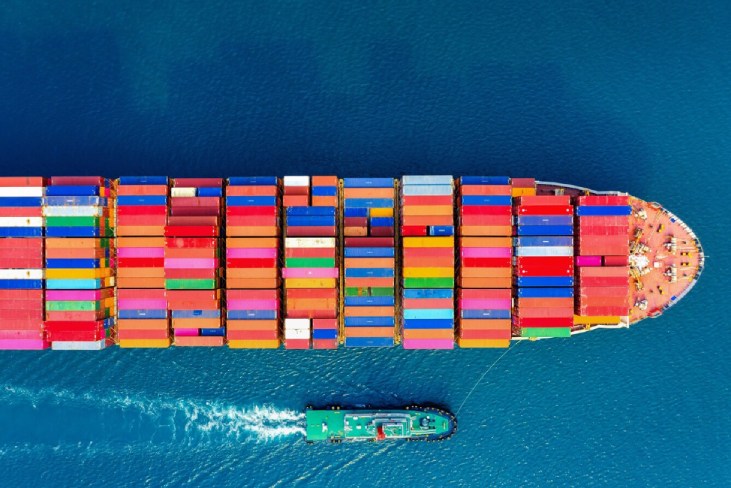
🌍 Because Global Trade = Global Opportunity
Every time a shipment crosses a border, it leaves a data trail. This trail tells a story—who’s buying, who’s selling, what’s moving, where it’s going, and how much it's worth. These stories are gold mines for businesses looking to:
Identify new markets
Track competitors
Forecast demand trends
Negotiate better deals
Avoid supply chain shocks
Companies that once relied on guesswork or outdated reports are now using real-time trade intelligence to shape strategy.
📊 What’s in Import Export Data?
Here’s the juicy part. When you tap into global trade databases, you get:
Product-level data (HS Codes, quantities, values)
Supplier and buyer names (in some countries)
Port of origin and destination
Shipment dates and methods
Customs duties and tariff data
Think of it as your market research, lead generation tool, and competitive analysis weapon—all rolled into one.
>>>> Get Import Export Data <<<<

🕵️♂️ Example: Outsmarting the Competition
Let’s say you're in the textile industry, and you're trying to break into the Southeast Asian market. By analyzing import data from Vietnam or Indonesia, you can:
Spot which countries they’re buying from (and in what volume)
Identify price points you’ll need to compete with
Discover new buyers currently working with your competitors
Predict demand cycles based on seasonality
Now you're not guessing—you’re playing chess while others play checkers.
>>>> Get Import Export Data <<<<
⚠️ The Risk of Ignoring It
While smart businesses leverage data to pivot and profit, others get blindsided. Remember the container shortage crisis of 2021? Companies who tracked trade flows saw it coming. Those who didn’t? Massive delays, lost revenue, broken supply chains.
In today's volatile economy, not using trade data is like sailing blindfolded in a storm.
💡 How to Get Started
You don’t need a PhD in data science. Several platforms now offer user-friendly dashboards to access and analyze trade data.
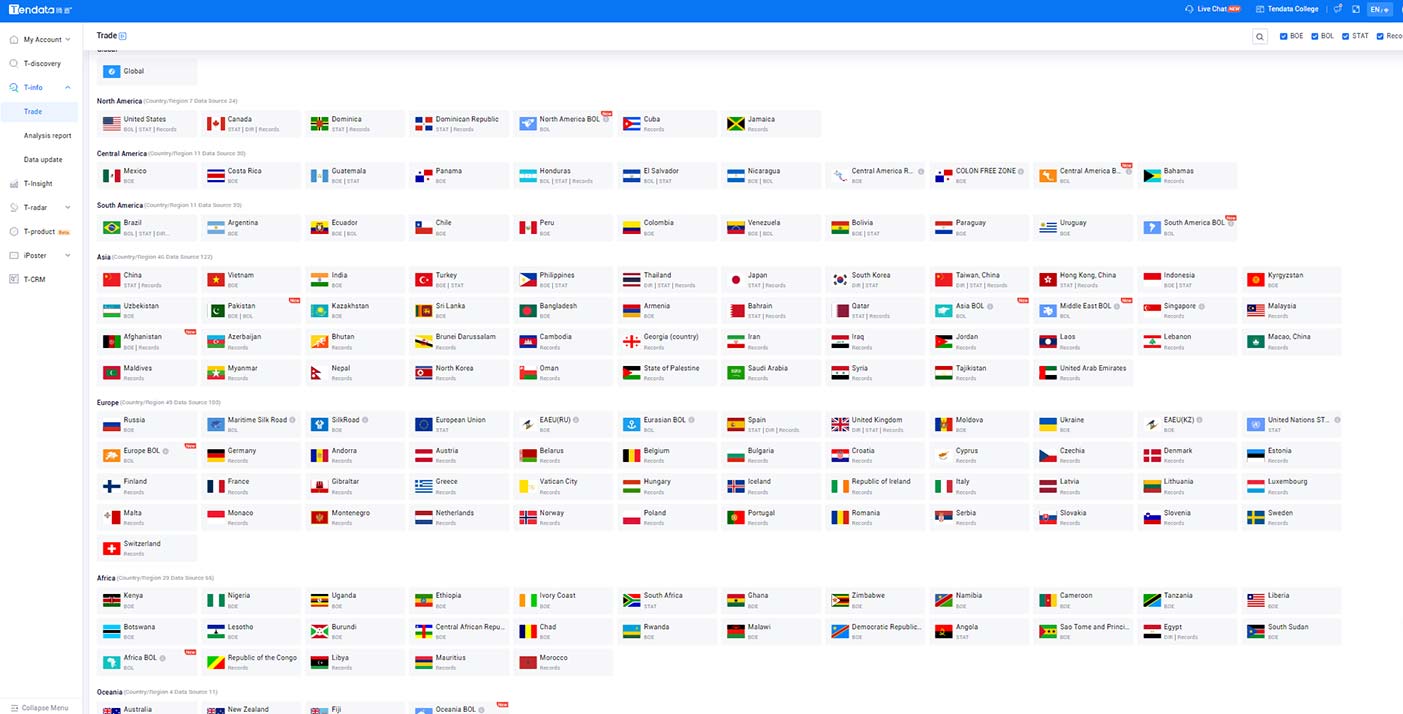
Extensive Data Coverage: Tendata provides data and market information for over 200 countries, making it a valuable tool for global trade.
Real-Time Insights: The platform offers up-to-date information on import and export activities, helping businesses stay informed about global market changes.
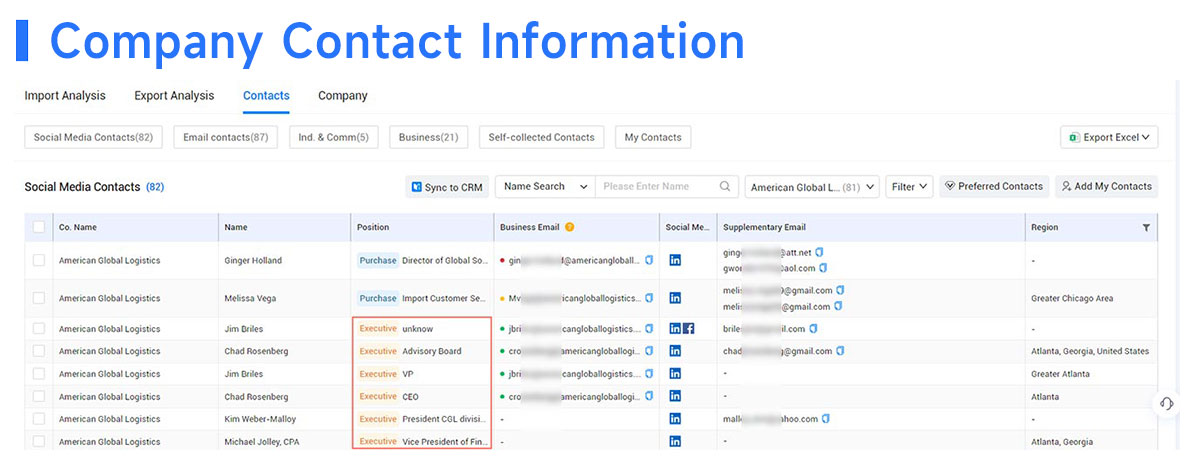
Customer and Competitor Analysis: Users can find new customers by searching for real transaction histories, as well as monitor competitors' activities within their industries.
AI-Driven Data Accuracy: Tendata employs an AI-powered, dual-verification mechanism to ensure the high accuracy of its trade data, including enterprise names and transaction records.
User-Friendly Tools: The platform allows businesses to quickly obtain data by inputting product keywords or HS codes, leading to tens of thousands of import and export enterprises with real procurement or supply records.
Plus, governments around the world provide free or low-cost access to their own customs data portals.
🚀 Bottom Line
Import export data isn’t just for economists and policy nerds anymore. It’s a strategic weapon for sales teams, sourcing managers, marketers, investors, and even startups. The future of global trade belongs to those who don’t just move goods—but move smarter.
Category
Leave Message for Demo Request or Questions