
 Tendata AI
  Exhibition
 B2B Platforms
 Standalone Website
 Social Media
 Emails
 Trade Data Provider
 2026-07-16
For companies involved in international trade, understanding what products are entering a market is just as important as knowing what products are being exported. Whether you're a manufacturer looking for overseas buyers, a trading company searching for new opportunities, or a sourcing team evaluating market demand, import data provides valuable insights that support better business decisions.
Rather than relying on assumptions or outdated market reports, businesses can use import data to see what products are being purchased, which countries are driving demand, and how trade patterns change over time. These insights help companies identify promising markets, understand industry competition, and develop more effective international sales strategies.

What Is Import Data?
Import data is a collection of records generated when goods enter a country through customs. These records document international trade activities and provide information about products moving across borders.
Depending on the country and the data source, import data may include product descriptions, HS codes, shipment dates, quantities, trade values, countries of origin, ports, importers, exporters, and other transaction-related information.
For businesses, import data offers a practical way to understand actual market demand. Instead of estimating whether a product is popular in a certain country, companies can review historical trade records to see how frequently it is imported and whether demand is increasing or declining.
Because it reflects real purchasing activity, import data has become an important resource for exporters, manufacturers, wholesalers, and market researchers around the world.
Why Businesses Use Import Data
Every international expansion strategy begins with understanding the market. Companies need to know not only where demand exists, but also whether that demand is consistent enough to support long-term business growth.
This is where import data becomes especially valuable.
For exporters, it helps identify countries that regularly import specific products and reveals which businesses are active buyers. Instead of approaching markets blindly, sales teams can focus on companies that already purchase similar goods.
Importers and sourcing professionals also benefit from import data by identifying reliable suppliers, comparing sourcing regions, and monitoring changes in international supply chains.
Even manufacturers that are not directly involved in exporting can use import data to evaluate market competition, understand customer preferences, and identify industries experiencing strong growth.
Where Can You Access Import Data?
There are many sources of import data, ranging from free government databases to professional trade intelligence platforms.
Public resources such as UN Comtrade, USITC DataWeb, Eurostat, Statistics Canada, and national customs agencies provide official trade statistics that help businesses understand import volumes and market trends.
These databases are excellent for answering questions such as:
Which countries import the most of a particular product?
How has import volume changed over time?
What are the largest source countries?
Which product categories are growing?
However, most public databases focus on statistical reporting rather than commercial intelligence.
While they provide valuable market information, they often do not include detailed buyer profiles, purchasing histories, supplier relationships, or business contact information.
For companies actively developing international customers, this limitation can make research much more time-consuming.
Why Detailed Import Data Matters
Knowing that a market imports a large quantity of your product is helpful, but successful exporters need much more than overall statistics.
For example, suppose a company manufactures industrial machinery and wants to expand into South America. Basic trade statistics may confirm that imports are increasing, but they do not identify which companies are responsible for those purchases or whether those buyers are still actively importing.
Detailed import data helps answer practical business questions.
Which companies place regular orders?
How frequently do they purchase?
Who are their existing suppliers?
Have their purchasing volumes increased or declined?
Are there opportunities to become a new supplier?
The answers to these questions allow businesses to prioritize high-value prospects and avoid spending time on companies with little purchasing activity.
How Tendata Makes Import Data More Actionable
Tendata is a professional global trade intelligence platform that transforms import data into practical business insights.
Rather than requiring users to search multiple databases and manually organize information, Tendata integrates global trade records into one platform, making research faster and more efficient.
The platform is designed to support companies throughout the entire customer development process, from market analysis to buyer identification.
Understand Market Demand Before Entering a New Country
Choosing the right market is one of the most important decisions for any exporter.
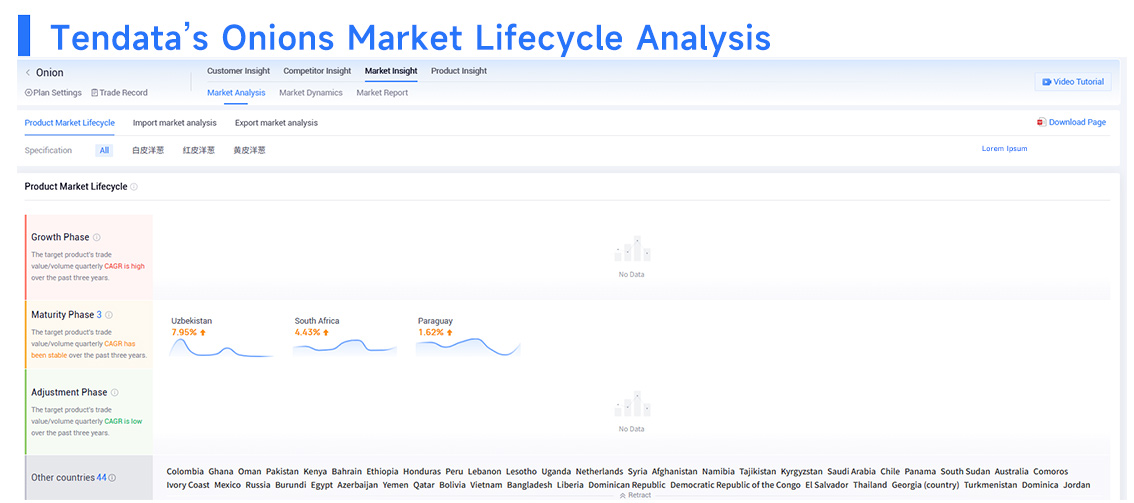
Tendata enables businesses to analyze import data by product, HS code, and country, helping users evaluate demand before investing time and resources.
For instance, a company exporting onions can search HS Code 070310 to compare import activity across different countries. By reviewing historical purchasing trends and market growth, businesses can identify regions with stronger demand and better long-term potential.
This allows companies to develop market entry strategies based on real trade activity rather than assumptions.
>>> Get a Free Demo from Tendata <<<
Learn From Competitor Import Activity
Understanding competitor behavior is another important application of import data.
Instead of relying only on public company information, businesses can analyze real trade records to understand how competitors operate in international markets.
Tendata helps users examine shipment frequency, destination markets, supplier relationships, and purchasing trends. These insights allow businesses to identify competitive advantages, discover underserved markets, and improve their own sales strategies.
Competitor analysis based on actual trade records is often much more reliable than relying solely on online research.
Find Buyers Who Are Already Purchasing Similar Products
One of the greatest advantages of professional import data is the ability to identify companies with verified purchasing activity.
Rather than building prospect lists from business directories, Tendata enables users to discover importers that have already purchased similar products.
Businesses can evaluate buyer activity by reviewing shipment history, purchasing frequency, import quantities, and existing supplier relationships. This makes it easier to identify companies with genuine business potential and prioritize outreach efforts.
As a result, sales teams spend less time searching for leads and more time building relationships with qualified prospects.
Connect Import Data With Business Contacts
Market intelligence becomes far more valuable when businesses can quickly connect with potential customers.
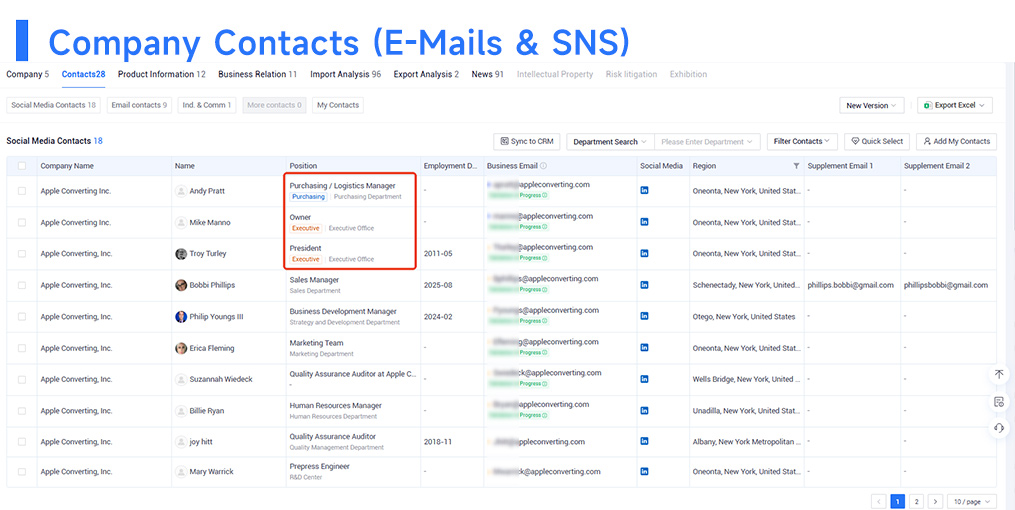
Tendata enhances its import data by linking trade records with available business contact information, including company email addresses, LinkedIn profiles, Facebook pages, and other public business resources.
This allows exporters to personalize their communication based on a company's actual purchasing behavior, making customer outreach more relevant and effective.
>>> Get a Free Demo from Tendata <<<
Why Import Data Is Essential for Modern Trade
International trade is becoming increasingly competitive, and businesses need reliable information to stay ahead.
Companies that use import data are better positioned to identify new opportunities, monitor market changes, and make informed business decisions based on actual trading activity rather than assumptions.
Whether the goal is entering a new market, finding qualified buyers, monitoring competitors, or understanding industry demand, import data provides the visibility needed to support long-term growth.
Summary
Import data has become an indispensable resource for businesses involved in global trade. While public databases offer valuable market statistics, companies seeking customer development and competitive insights often need more detailed trade intelligence.
Tendata combines comprehensive import data with market analysis, competitor monitoring, and buyer identification tools to help businesses make smarter international trade decisions. By turning trade records into actionable business intelligence, Tendata enables exporters, manufacturers, and trading companies to identify better opportunities, connect with qualified buyers, and expand into global markets with greater confidence.
Category
Leave Message for Demo Request or Questions