
 Tendata AI
  Exhibition
 B2B Platforms
 Standalone Website
 Social Media
 Emails
 Trade Data Provider
 2025-09-24
When it comes to international trade, global customs data (also called import-export trade data) is often marketed as the “shortcut” to finding buyers. Many importers and exporters wonder: Does customs data really work for developing clients?
The answer is: yes, it can help—but it should never be treated as your only lead generation channel.

What Customs Data Can and Cannot Do
At its core, customs data saves you time. Instead of manually searching Google or LinkedIn for potential buyers, customs data highlights companies that have already imported or exported a certain product. If a business shows up in customs data, it proves they have actual purchasing activity.
However, there are some pain points:
1. Overdeveloped Buyers
One foreign importer may appear in multiple data company databases, meaning hundreds of suppliers could be contacting the same buyer. The result: flooded inboxes, low reply rates, and frustrated sales teams. Platforms like Tendata apply filtering and de-duplication to improve conversion chances.
2. Intermediaries vs. End Buyers
Not every company listed is the real purchaser. Sometimes the record belongs to a freight forwarder or trading agent, not the final buyer. This can lead to wasted effort or lower-quality leads. Professional data services help identify and label true end buyers versus intermediaries.
3. Missing or Unreliable Contact Information
Many customs datasets do not contain email or phone details. If a data vendor promises “100% verified contacts,” it's likely they scraped company websites or LinkedIn. While this can work, the quality varies—many addresses are outdated or generic (like [email protected]). Platforms like Tendata supplement contacts with verification and deliverability checks, offering more reliable information.
How to Use Customs Data the Right Way
To maximize results, treat customs data as one tool in a broader strategy:
1. Combine with LinkedIn and Trade Shows
Use customs data to identify company names, then search LinkedIn for the purchasing manager or decision-maker. Pairing data with professional networks or trade exhibitions greatly increases accuracy and response rates.
2. Ask Vendors the Right Questions Before Buying
Always confirm:
·Is the contact information directly from customs data or added later?
·Which countries are covered?
·How frequently is the data updated?
These questions help you avoid being misled by marketing promises like “100% contact availability” or “guaranteed client acquisition.”
3. Keep Realistic Expectations
Don't expect to get rich overnight. Many exporters report that buying customs data leads to just one or two solid clients a year—but those clients often generate long-term, stable orders that more than cover the cost of the data.
Case in Point
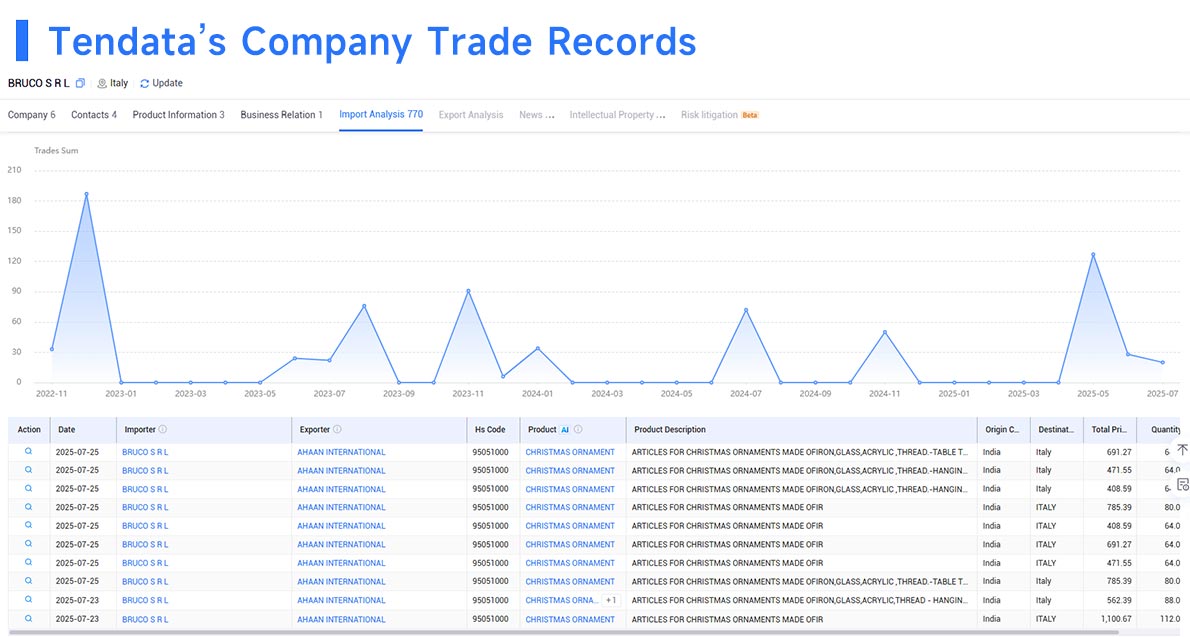
One exporter of hardware parts shared that after purchasing trade data, he secured a single italy company within three months. That client placed steady $50,000 monthly orders—meaning the data investment paid off quickly.
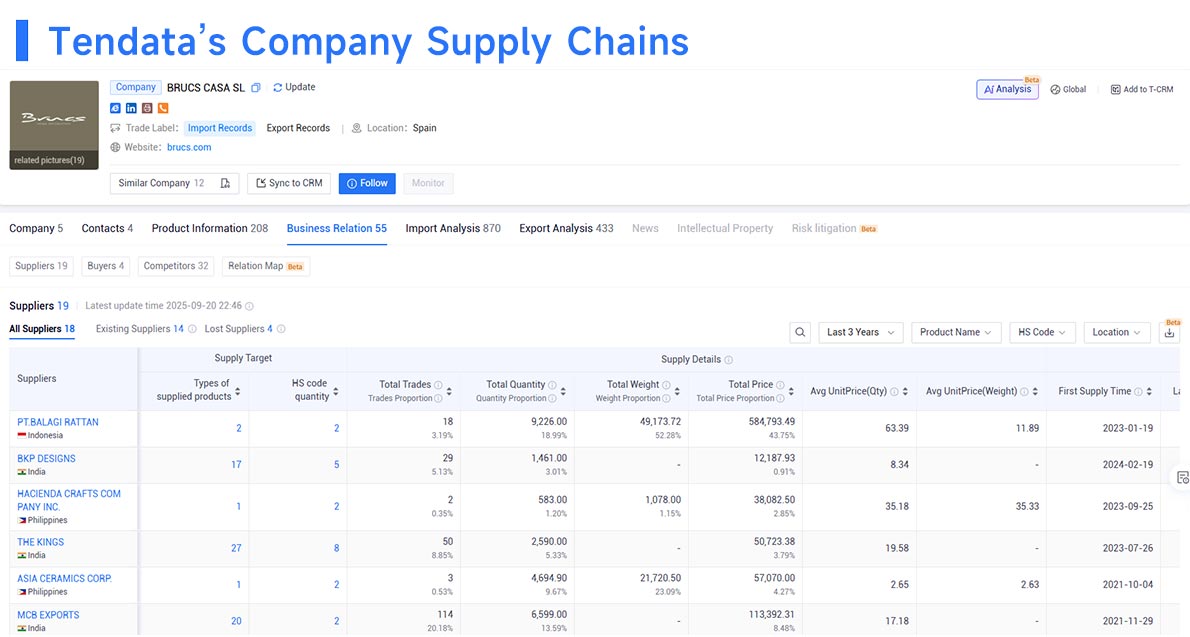
Similarly, a Tendata user targeted a mid-sized Spain buyer. By verifying contacts and tailoring follow-up, they turned a cold lead into a multi-hundred-thousand-dollar quarterly contract.
Final Thoughts
Global customs data is not a magic bullet, but it is a valuable supplementary tool. When combined with LinkedIn, trade fairs, B2B platforms, and personalized follow-up, it helps narrow down potential buyers and provides a starting point for real connections.
The key is choosing a reliable platform like Tendata that offers clean data, validated contacts, and clear buyer identification—so you can spend less time chasing dead ends and more time closing deals.
Category
Leave Message for Demo Request or Questions