 Tendata AI
  Exhibition
 B2B Platforms
 Standalone Website
 Social Media
 Emails
 Trade Data Provider
 2025-09-28
Whether you're an importer, exporter, or customs broker, using the right customs data platform can provide you with critical insights that drive better decision-making and streamline your operations. But with so many options available, how do you choose the best customs data platforms for your needs?
1. Understand Your Business Needs
Before you start comparing different platforms, it’s essential to define your goals. Do you need insights into global trade trends, detailed customs clearance data, or real-time shipment tracking? Understanding your specific requirements will help you focus on platforms that cater to your niche. For example:
Import/Export Business: Look for platforms that offer detailed shipment histories and trade volume analysis.
Customs Brokers: Choose a platform with detailed regulatory compliance information and real-time tracking.
2. Data Accuracy & Timeliness
Accuracy and timeliness are the backbone of any effective customs data platform. You need a system that updates regularly and provides verified data to ensure your decision-making is based on the most up-to-date information. Consider platforms that source data directly from customs authorities or reputable trade bodies to guarantee the reliability of the data.
3. User-Friendly Interface
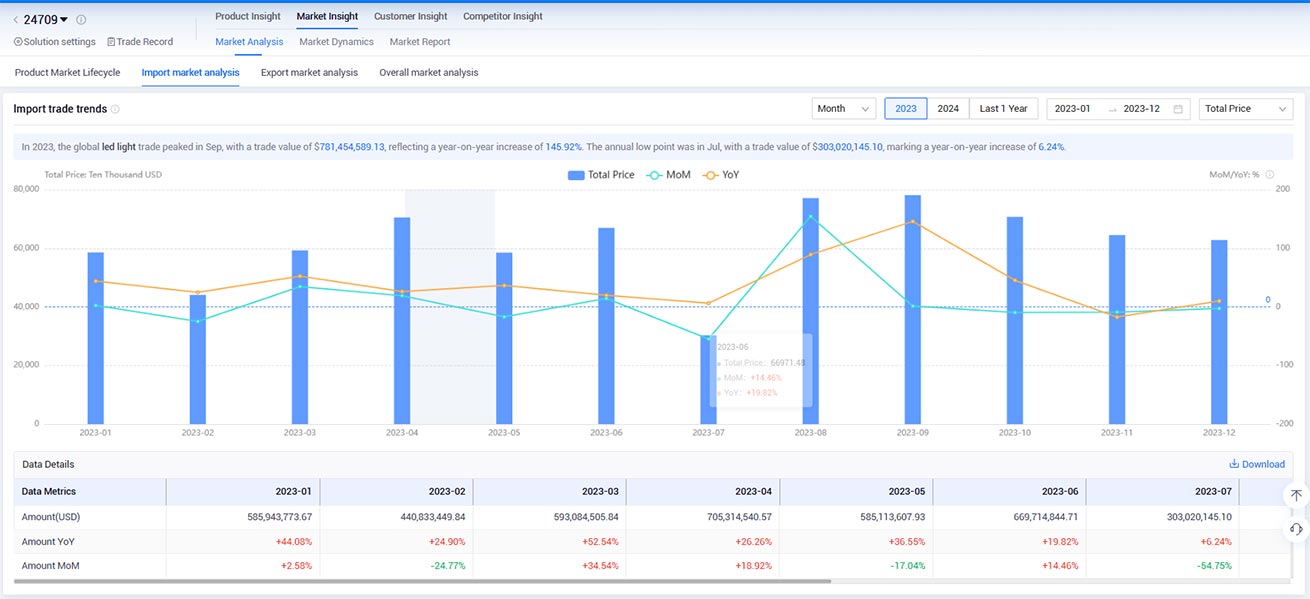
A complex and difficult-to-navigate platform can waste time and frustrate your team. Look for platforms with a clean, intuitive interface that allows easy access to the data you need without unnecessary complications. An easy-to-use search feature and customizable dashboards can greatly enhance your user experience.
>>>>> Try the Best Customs Data Platforms<<<<<<
4. Advanced Analytics & Reporting Tools
A good customs data platform should not only provide raw data but also offer advanced analytics and reporting tools to help you interpret the data. Features like trade trend analysis, market insights, and data visualization can empower your team to make better strategic decisions based on the data you receive.
5. Customization & Scalability
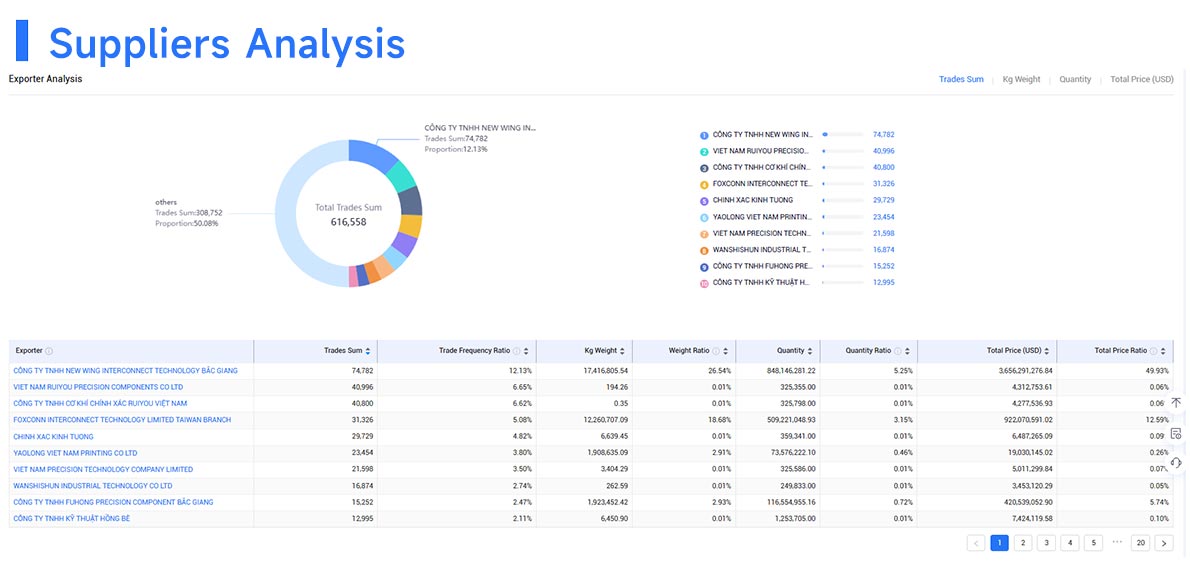
As your business grows, your data needs may change. Ensure the platform you choose is scalable, allowing you to adjust data sources, reports, and features as required. Additionally, look for customization options that let you tailor the platform to your specific needs, such as custom reports, personalized alerts, and filtering options.
>>>>> Try the Best Customs Data Platforms<<<<<<
6. Cost-Effectiveness
While price should not be the only factor in your decision, it’s still an important consideration. Compare pricing plans across different platforms to ensure you’re getting good value for the features and services offered. Many platforms offer tiered pricing based on usage, so consider your future needs to avoid paying for services you won’t use.
7. Customer Support & Training
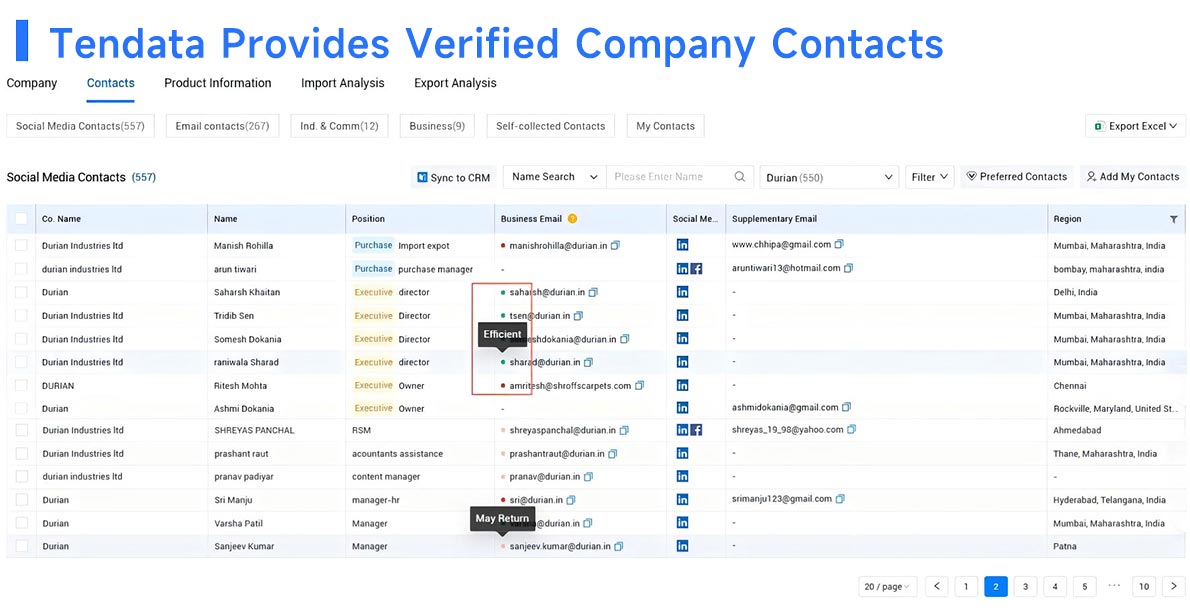
A robust customer support system is essential when navigating customs data platforms. Ensure that the platform you choose offers responsive customer service, whether through live chat, phone support, or email. Additionally, some platforms offer training sessions or user guides to help you get the most out of the software.
8. Security & Compliance
Customs data is highly sensitive, and protecting it is of utmost importance. Choose a platform that offers strong security measures, such as encryption and secure data storage, to protect your company’s information. Moreover, ensure that the platform complies with all relevant data protection regulations, such as GDPR or other local privacy laws.
>>>>> Try the Best Customs Data Platforms<<<<<<
9. Reputation and Reviews
Look at customer reviews and testimonials to gauge the platform’s performance and customer satisfaction. Reputable platforms often have positive feedback and case studies that demonstrate their effectiveness in real-world scenarios. You can also ask peers or industry experts for recommendations based on their experiences.
10. Integration with Other Systems
In today’s interconnected world, it's important that your customs data platform integrates seamlessly with other systems you use, such as your ERP, CRM, or inventory management software. This can streamline your operations and reduce the risk of errors that come from managing multiple platforms separately.
>>>>> Try the Best Customs Data Platforms<<<<<<
Conclusion: Making the Right Choice
Choosing the right customs data platform is an important decision that can significantly impact the efficiency and success of your international trade operations. By carefully evaluating factors such as data accuracy, platform usability, analytics tools, and customer support, you can ensure that your business stays ahead in the competitive global market.
Take the time to explore different options and prioritize features that align with your specific needs. Remember, the right platform will not only provide valuable data but also empower your team with the tools and insights needed to drive smarter, data-driven decisions.
FAQs
What is a customs data platform?
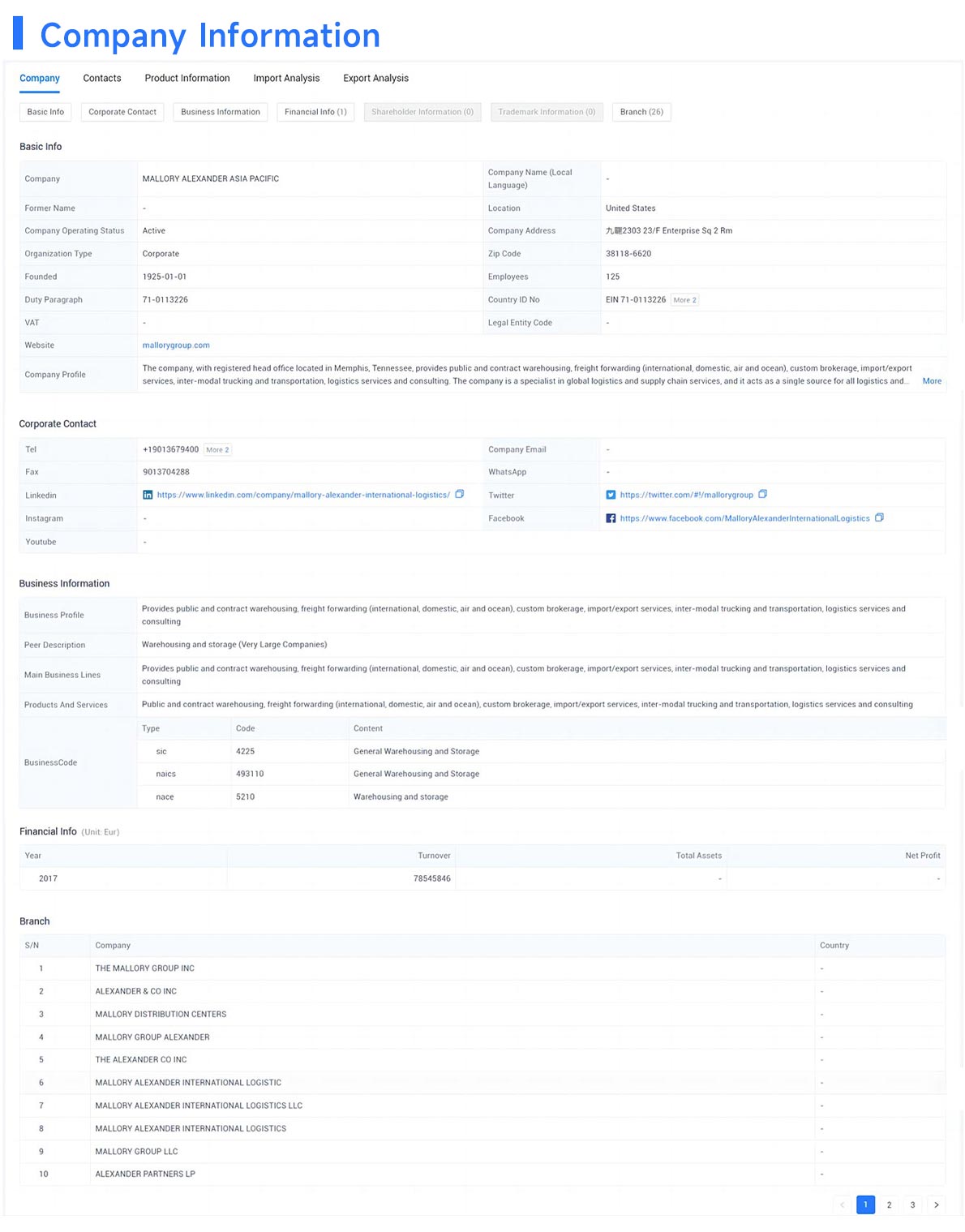
A customs data platform aggregates and provides access to critical data related to international trade, including customs clearance, shipment tracking, tariffs, and trade regulations.
How do I choose the best customs data platform?
Focus on factors like data accuracy, ease of use, pricing, customer support, and the platform's ability to integrate with your existing systems. Define your specific needs to narrow down the best options.
Can customs data platforms help with compliance?
Yes, many platforms offer tools to help businesses stay compliant with international trade regulations by providing up-to-date information on tariffs, trade agreements, and customs clearance procedures.
By following these tips, you’ll be equipped to select the best platform that not only meets your current needs but also supports your future growth in international trade.
Category
Leave Message for Demo Request or Questions