 Tendata AI
  Exhibition
 B2B Platforms
 Standalone Website
 Social Media
 Emails
 Trade Data Provider
 2025-09-29
Vietnam has become one of the most dynamic economies in Southeast Asia, with its strategic position, robust manufacturing sector, and diverse export base making it a key player in global trade. As the world pivots towards a post-pandemic recovery, Vietnam's export data offers invaluable insights for businesses looking to tap into new opportunities, optimize their supply chains, and gain a competitive edge in international markets.
1. Market Intelligence Through Export Data
Export data is more than just numbers; it's the key to understanding market trends, buyer behaviors, and potential market opportunities. By analyzing Vietnam's export data, businesses can make informed decisions about where to focus their efforts and which products to prioritize.
Emerging Markets: Vietnam’s exports to countries like India, the Middle East, and Africa have been growing steadily. Export data reveals which regions are showing increasing demand for specific products, allowing you to prioritize high-growth markets.
Product Trends: By closely tracking export data, businesses can identify trending products that are in demand. For example, electronics, mobile phones, and textiles have consistently been among Vietnam’s top exports. Tracking this data can help you spot products with growing international demand and adjust your offerings accordingly.
Export Growth: Data helps you identify regions and countries that are seeing the largest growth in imports from Vietnam. This allows companies to target their marketing and sales strategies effectively and capitalize on these growing markets before competitors do.
2. Identifying High-Demand Export Products
Vietnam is known for its diversified export portfolio, with key industries driving a significant portion of its trade:
Electronics and Electrical Equipment: Vietnam is one of the world’s largest exporters of electronics, including smartphones, computers, and consumer electronics.
Textiles and Apparel: Vietnam ranks among the world’s top exporters of garments and textiles, thanks to its competitive labor force and robust manufacturing infrastructure.
Furniture and Wood Products: With an abundant supply of raw materials, Vietnam has become a global leader in the production and export of furniture, particularly to the U.S. and Europe.
Agricultural Products: Vietnam’s export of coffee, rice, and seafood is a cornerstone of its economy. Coffee, for instance, positions the country as the second-largest coffee exporter globally.
Analyzing Vietnam's export data helps businesses spot which products are seeing the highest export growth, allowing them to diversify their supply chains, enter new markets, and explore underserved regions.
3. Tailoring Business Strategies Using Export Insights
By understanding the nuances of Vietnam's export data, businesses can refine their strategies to align with current market demands.
Targeting the Right Countries: Instead of casting a wide net, use export data to identify high-potential markets. For example, if you’re in the furniture business, export data might show that North America and Europe are experiencing significant demand for Vietnamese-made furniture. By focusing on these regions, you can reduce wasted resources and target your marketing more effectively.
Adapting to Trade Agreements: Vietnam’s trade agreements with the EU, ASEAN countries, and others offer preferential tariffs. Export data can show which countries benefit most from these agreements, enabling businesses to strategize entry into those regions with the best possible terms.
Competitive Positioning: Export data also allows you to see what your competitors are doing. If your competitors are already well-established in a market, you can identify gaps in their offerings—perhaps in product types, pricing, or delivery time—and capitalize on those weaknesses.
4. Mitigating Risks and Finding New Opportunities
As with any market, Vietnam’s export landscape comes with its own set of challenges. However, export data can help you mitigate risks and identify opportunities to grow.
Diversifying Markets: By tracking export trends over time, businesses can spot markets that are becoming over-reliant on certain products. For instance, if the demand for a product like textiles starts to plateau in a region, businesses can pivot to target other growing markets in areas like electronics or agriculture.
Navigating Trade Barriers: Export data also provides insights into the regulatory environment of various markets. For example, new tariffs or trade restrictions can significantly affect profit margins. Understanding how these shifts are affecting Vietnam’s export volumes can help businesses adapt quickly and mitigate the impact.
Supply Chain Optimization: Export data helps businesses identify potential supply chain bottlenecks, allowing them to adjust production, inventory, or logistics operations to minimize disruptions. By tracking both domestic production and global demand, companies can predict shortages, demand spikes, and shifts in global sourcing patterns.
5. How to Leverage Vietnam's Export Data for Your Business
Businesses can access Vietnam's export data through various sources:
Vietnam Customs: The Vietnam General Department of Customs provides official data on exports by product and market.
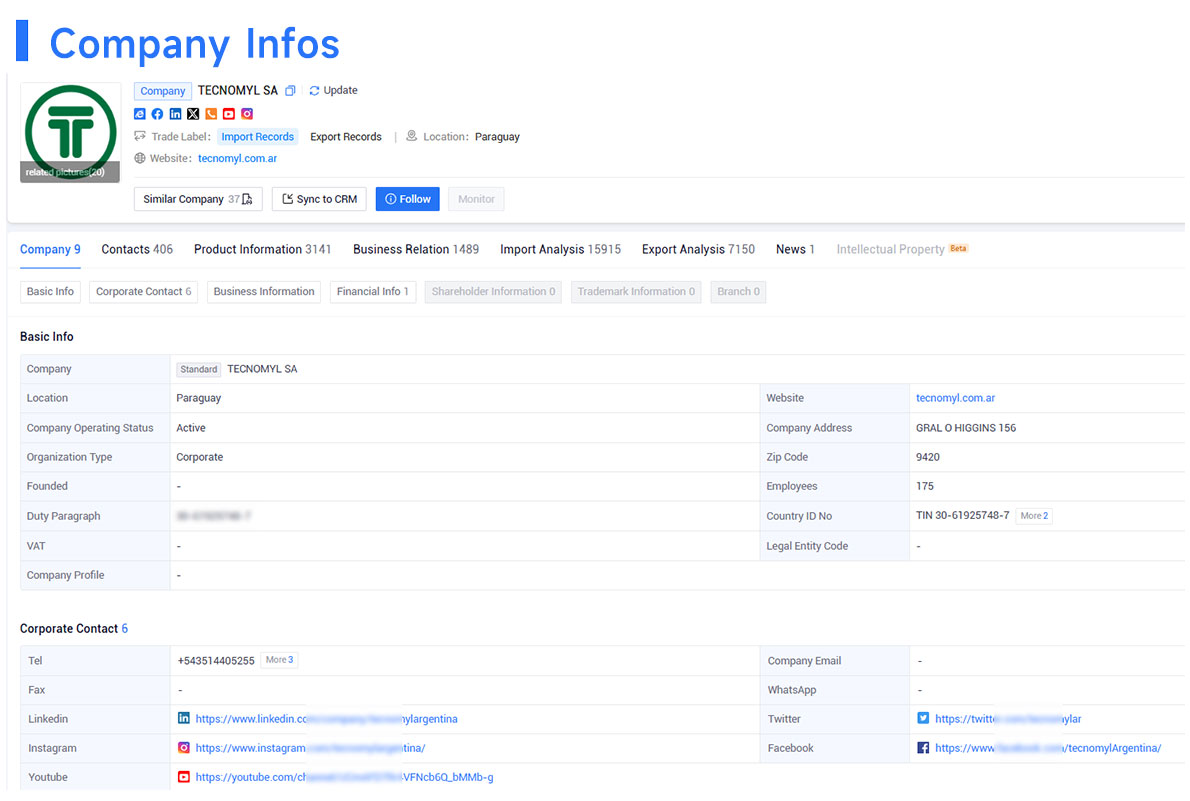
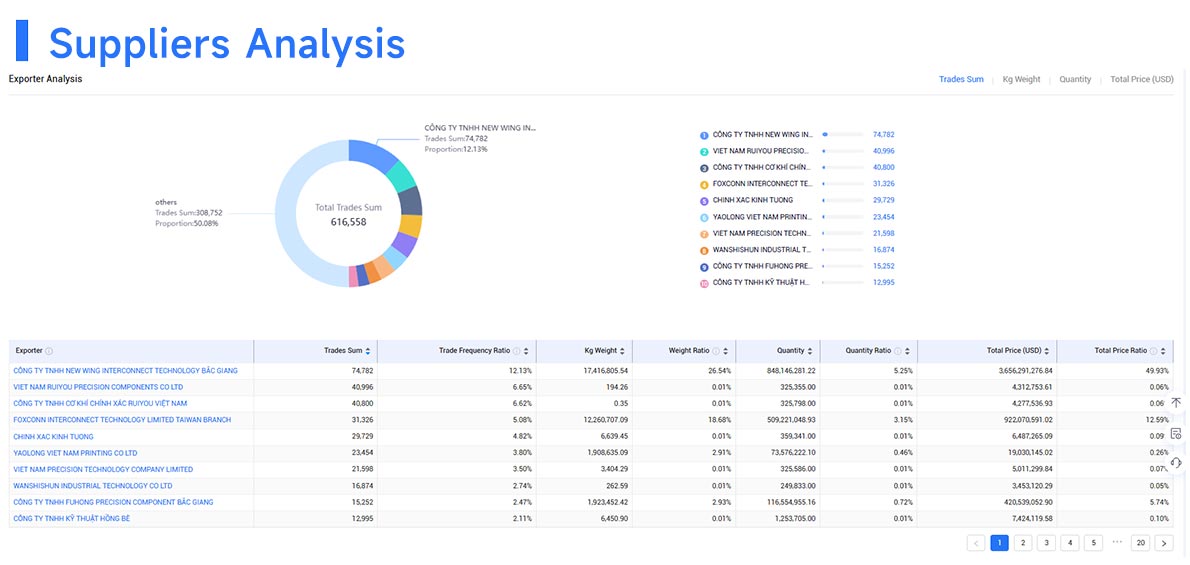
Trade Data Providers: Platforms like TradeMap, Import Genius, and Panjiva provide detailed trade data, including specific transactions and company-level information.
Industry Reports: Organizations such as the Vietnam Chamber of Commerce and the Vietnam Ministry of Industry and Trade regularly publish reports on the country’s export activities and sector growth.
By subscribing to these data services or collaborating with trade consultants, businesses can continuously track export trends and adjust their strategies accordingly.
Conclusion: Unlocking Growth with Vietnam's Export Data
In an increasingly competitive global marketplace, Vietnam's export data offers businesses an opportunity to make informed, data-driven decisions. By leveraging this data, companies can:
Identify the most promising export products and markets.
Tailor their strategies to target high-growth regions.
Mitigate risks and optimize supply chains.
Gain a competitive edge in a rapidly evolving trade landscape.
Whether you're looking to expand your market reach, optimize your product offerings, or identify emerging trends, Vietnam's export data is a powerful tool for unlocking new business growth.
Category
Leave Message for Demo Request or Questions