
 Tendata AI
  Exhibition
 B2B Platforms
 Standalone Website
 Social Media
 Emails
 Trade Data Provider
 2025-10-05
Objectively speaking, yes—it can be useful. But don't treat it as your only customer acquisition channel.
At its core, import and export is about getting buyer information and contact details, reaching out with your products, and eventually securing orders. The value of global trade data lies in saving you the effort of manually digging for leads. Instead of searching Google page by page or browsing LinkedIn one profile at a time, trade data filters out companies that already have proven import activity. If they appear in global trade records, it means they've actually purchased such products before—helping you narrow your target pool.
But here's the catch: the pain points of trade data are sharper than you think.

1. Customers are overdeveloped
Any buyer record in trade data may be purchased by hundreds of suppliers in China. For example, a U.S. apparel importer might show up in multiple data platforms. Each platform may have dozens of sales reps using the same record. As a result, that buyer receives dozens or even hundreds of marketing emails weekly, not to mention nonstop phone calls. When you send another email, it often goes to spam or gets deleted without a glance—conversion rates are painfully low.
Platforms like Tendata try to solve this problem by filtering and deduplicating data, reducing wasted outreach and giving you a higher chance to stand out.
2. Not all buyers are real buyers
In many export transactions, trading companies or customs brokers appear instead of actual end buyers. For example, if a small factory without export rights uses a customs broker to ship goods, the trade record may list the broker's name rather than the real purchaser. You think you've found a direct buyer, but it's only a middleman. Contacting them often means dealing with price squeezes and limited long-term cooperation.
Tendata differentiates between end buyers and intermediaries, helping exporters focus on high-value leads.
3. Many records don't have contact details
This is the most common frustration. I've seen trade data from at least three providers where over half the records showed “no contact info.” Why? Because even the software companies couldn't scrape an email or phone number. Don't assume you'll succeed where they failed—if automation couldn't find it, manual searching probably won't either.
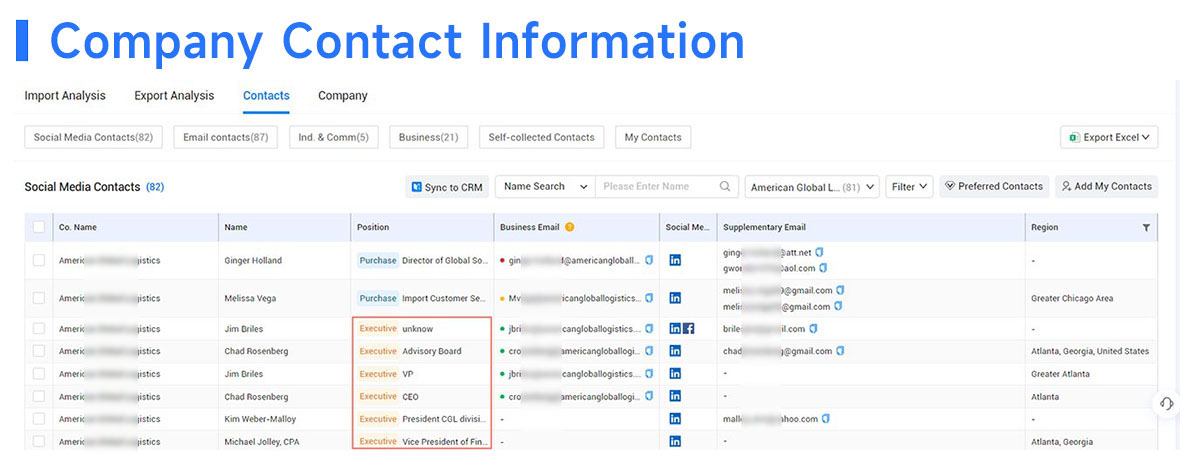
Tendata addresses this with its own contact enrichment mechanisms (e.g., combining email with social media data), resulting in fewer blanks compared to generic trade databases.
The Right Mindset: Don't Expect to Get Rich from Trade Data
One of my friends who bought global trade data put it best:“I spent a few thousand, and if I can land one or two clients in a year, it pays for itself.”
That's exactly the right mindset.
If you expect to buy trade data and immediately sign dozens of big clients, you'll likely be disappointed. Export is a slow business, and customer acquisition requires multiple channels working together. Trade data is just one lead source. It helps you identify potential buyers, but you still need to:
·Verify their legitimacy (e.g., check company size on LinkedIn, review their website for product fit).
·Write tailored outreach emails.
·Follow up consistently.
·Combine with other channels like trade shows, referrals, and existing customers.
A friend of mine in the hardware fittings industry bought trade data last year. He only converted one customer from it. But that customer now places $50,000 in monthly orders. In less than three months, the data investment paid off. His mindset? Trade data is just a source of leads—follow up if it looks promising, move on if it doesn't.
Another Tendata client used its advanced filters to identify a mid-sized North American buyer. From the first email to the first order took about three months, but the result was a long-term contract worth hundreds of thousands of dollars per quarter. His takeaway: it wasn't about instant big wins, but about finding the right entry point.
On the flip side, I've seen exporters complain:“This data is useless—I sent 100 emails and got zero replies!”
Digging deeper, it turned out they didn't research the buyers, blasted generic emails, and even pitched wholesale pricing to intermediaries. No wonder they got ignored or blacklisted.
Final Thoughts
Global trade data is not a magic bullet. But with the right platform and the right expectations, it can be a valuable supplement to your sales strategy. Instead of casting a blind net, choose a provider like Tendata, which specializes in data cleaning, buyer identification, and verified contacts. Use it as a supporting lead source, then combine it with solid follow-up, diverse channels, and strong product competitiveness to unlock real value.
Category
Leave Message for Demo Request or Questions