
 Tendata AI
  Exhibition
 B2B Platforms
 Standalone Website
 Social Media
 Emails
 Trade Data Provider
 2025-10-20
Through global trade data, importers and exporters can analyze target markets, gain industry insights, monitor competitors, and quickly identify qualified buyers — making it one of the most powerful tools for efficiently expanding into international markets.

Direct Search: Filtering and Targeting Potential Customers
Global trade data is vast and complex. When conducting direct searches, it's important to apply specific filters and search criteria to refine results and obtain more accurate and relevant information.
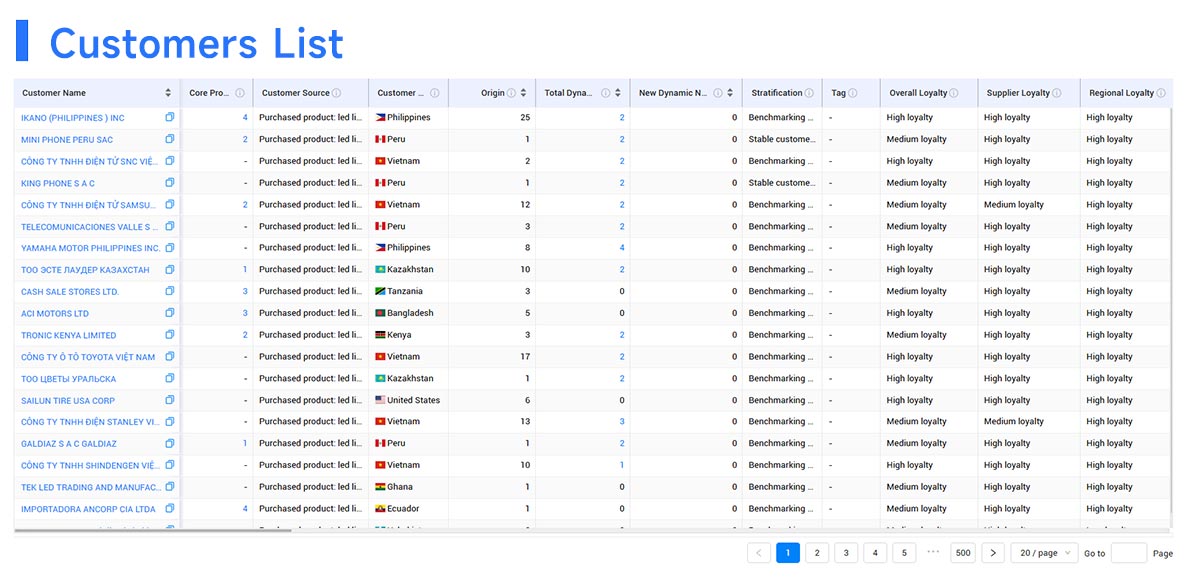
Competitor Analysis: Tracking and Understanding Export Performance
By entering a competitor's company name, you can track and analyze their export activity — learning about their buyers, purchasing patterns, and demand trends. This helps you uncover new opportunities by understanding your competitors' business relationships and market positioning.
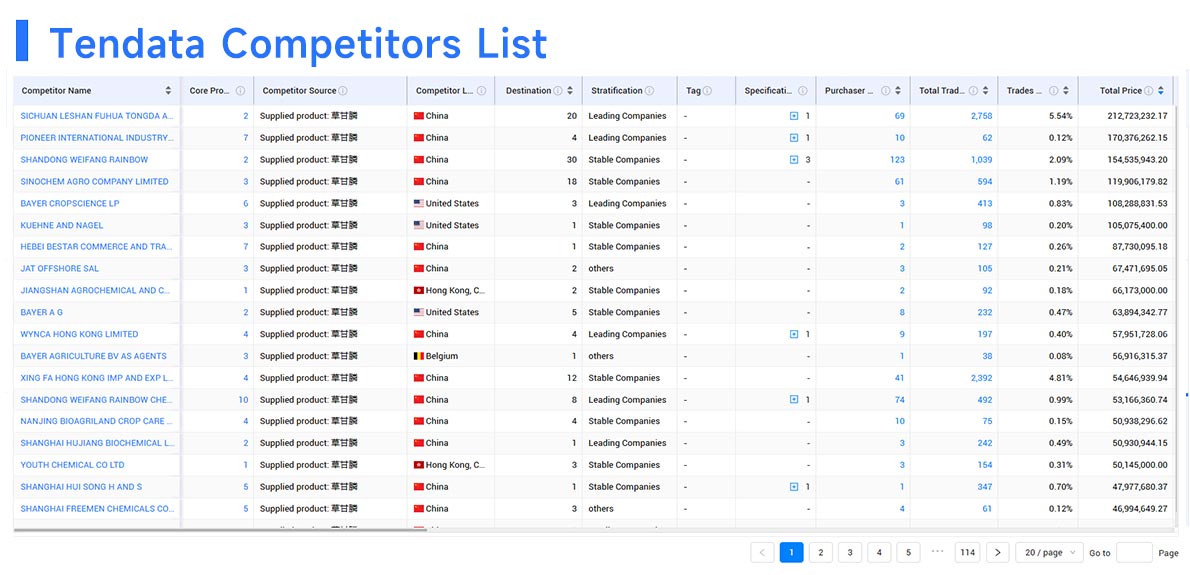
Reverse Search: Finding Buyers Through Export Data
If you're looking to develop LED clients in Germany or France, and you know these buyers frequently import from the U.S., Vietnam, or Russia, you can use export data from those countries to trace potential European importers. These companies are often high-quality prospects that already engage in international trade.
Analogous Search: Expanding into New Markets
Finding customers through global trade data is essentially about winning over your competitors' clients. However, if a buyer has no intention of switching suppliers — or if your advantages aren't strong enough — the process may be challenging.
At this stage, it's smart to broaden your approach. By analyzing the nature and structure of buyers' companies, you can better understand distribution channels and models for your product in overseas markets.
Platforms like Tendata offer advanced data analysis services, capable of transforming complex global trade data into actionable insights. With AI-powered tools, Tendata automatically generates analytical reports, recommends potential buyers, and even provides verified contact details of decision-makers.
For startups or manufacturers entering the import-export field, Tendata's intelligent trade data analysis can be extremely valuable. For companies with strong analytical capabilities, purchasing raw trade data may be sufficient — it's cost-effective and allows for custom-tailored analysis based on specific business needs.
Tendata's Smart Data Search Tips
Here are several practical guidelines to help you maximize the value of global trade data:
1. Product Search:
On the official platform, enter your product keyword or HS code to view related global trade data and overseas buyers.
2. Buyer Insights:
Click on a company name to see detailed import data and contact information for foreign buyers.
3. Stay Updated:
Data is updated almost daily. Regularly check for updates on buyers' contact info, import details, trade partners, and ports of shipment. Try searching with different keywords to uncover more opportunities.
Finally
While global trade data is undeniably useful, success depends on how you use it. Don't rely solely on the contact information listed in the database. Learn to dig deeper into buyers' and competitors' supply chains, as this approach often leads to discovering more potential clients.
When it comes to quality buyers, never limit yourself to email outreach alone — reaching the right customer means leveraging every possible channel to establish meaningful contact and build lasting relationships.
Category
Leave Message for Demo Request or Questions