 Tendata AI
  Exhibition
 B2B Platforms
 Standalone Website
 Social Media
 Emails
 Trade Data Provider
 2025-10-24
In the process of developing import and export clients, background investigation and analysis are indispensable. Its importance can be summarized in several key aspects:
1.Verify client authenticity – Identify the industry, core products, and business status to avoid wasting time on unqualified or fake leads.
2.Uncover client potential – Evaluate their purchasing power, decision-making authority, and long-term cooperation prospects.
3.Analyze potential competitors – Review the client’s country and past purchase behavior to identify market competitors and assess strengths and weaknesses.
4.Become a trusted partner – Understand client needs and interests, follow up with targeted communication, and increase conversion chances.
By conducting comprehensive background research, you can gain insights into a client’s corporate culture, business model, development history, market position, and purchasing capacity. These insights play a crucial role in negotiations—the better you know your client, the higher your success rate.
Below are several practical tools and methods for efficient client background analysis — highly recommended for professionals in trade development.

1. Google Search
Using Google’s advanced search operators is one of the most cost-effective and efficient ways to investigate a client’s background. You can look for:
·Company name / official website
·Executive name + company name
·Company name + social media (Facebook, LinkedIn, etc.)
·Company name + B2B / Exhibition / Report / Import Date / Export Date
·filetype: to search specific document types (doc, xls, pdf, etc.)
·Additional keywords for deeper insights
Mastering Google search syntax is a core skill for any professional conducting customer background analysis.
2. Client’s Official Website
A company’s website provides a wealth of valuable information:
(1) The “About Us” section reveals the company’s history, values, and mission.
(2) The layout and content often indicate whether the client is a wholesaler, retailer, or online store, and help estimate company size.
(3) Product listings reveal market positioning and compatibility with your business.
(4) Customer reviews or comment sections may uncover issues with current suppliers or unmet needs — offering entry points for your approach.
If you can address the client’s pain points with clear solutions, you will naturally stand out from competitors.
3. Google Maps & Street View
Use Google Maps to locate the client’s office or store. Street View can provide visual insights into their business scale and operational status.
4. Whois Domain & Website Age Tools
Websites:
·https://whois.com
·https://who.is
·https://whois.domaintools.com
Whois tools reveal domain registration details—such as owner contact info, address, and registration date—helping assess company credibility and longevity.
When combined with Archive.org (the Internet Wayback Machine), you can track website updates, see when it went live, and analyze how long the company has been active in the industry.
5. Background Check Tool: Tendata
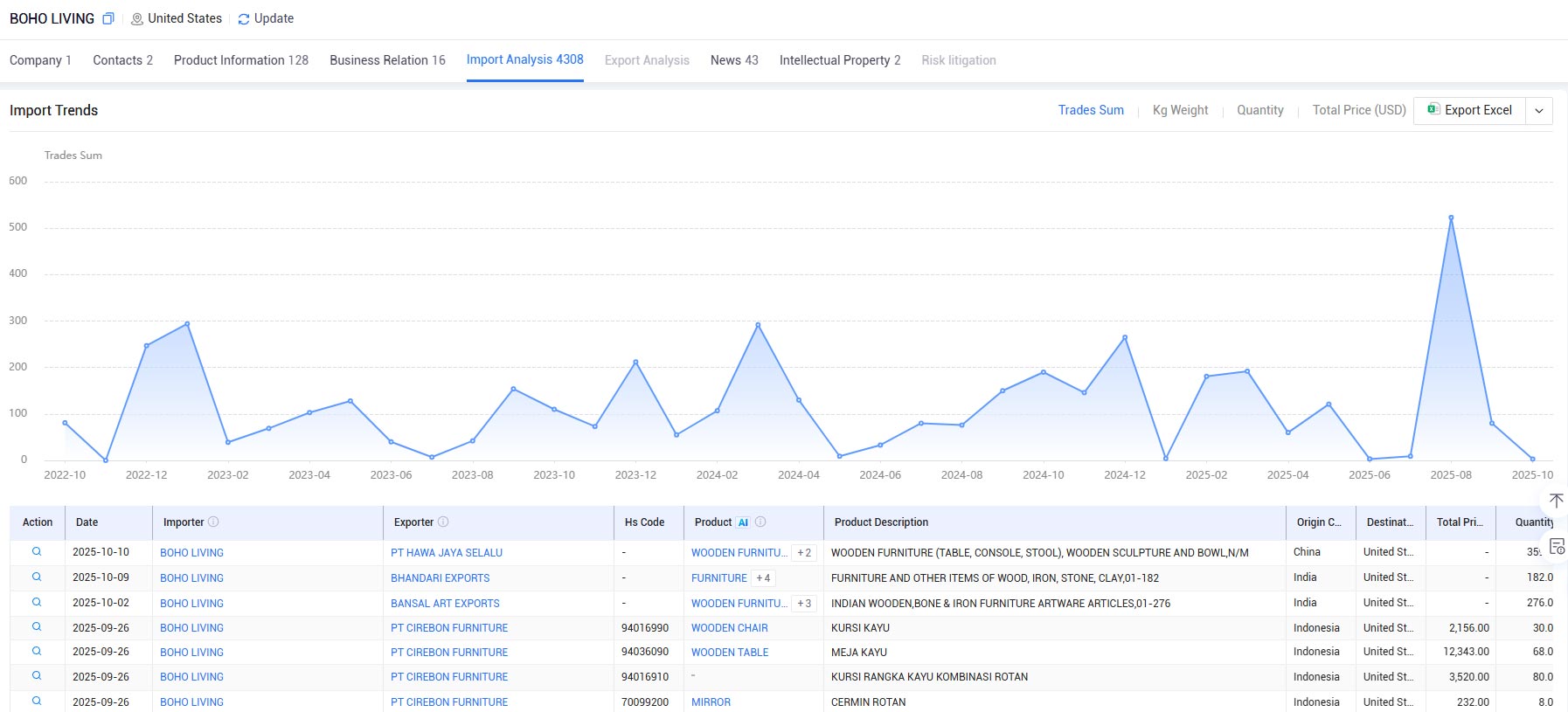
By entering a company name or product keyword, Tendata provides instant access to detailed records, including:
·Supplier directories
·Purchase and shipment records
·Logistics channels
·Price ranges
·Product categories
Tendata dramatically improves efficiency and accuracy in client background research, enabling exporters to precisely identify and approach qualified prospects.
Category
Leave Message for Demo Request or Questions