 Tendata AI
  Exhibition
 B2B Platforms
 Standalone Website
 Social Media
 Emails
 Trade Data Provider
 2025-12-09
Many people view a trade show simply as a "lead generation event." But at its core, a trade show is an intensive, high-density industry matching field. To truly leverage this environment, you must clarify three essential understandings.

1. A Window, Not a Warehouse
First, a trade show is not where you secure an immediate order; it is where you collect customer seeds. Understand the exhibition as a "window where potential customers walk right past you." What you leave behind are information, an impression, and the potential for a future relationship.
2. A Trust Amplifier, Not a B2B Platform Clone
Second, a trade show is not simply another version of a B2B platform; it is an amplifier of trust and efficiency. The same customer who might ignore your cold outreach for a year might readily exchange an email and phone number after a brief, friendly exchange at your booth. The physical presence and immediate interaction rapidly build credibility.
3. A Mirror, Not a Magic Selling Machine
Finally, a trade show is not an all-powerful sales machine; it is a "mirror that reflects the solidity of your preparation." Who speaks about their product with confidence, who handles on-site inquiries flexibly, and whose samples truly impress the customer—the trade show makes this instantly clear.
The High Cost of "Trial and Error"
It's common to hear the advice, "Just attend a few trade shows and see what works." But remember, "trial and error" comes with a significant cost.
A single Canton Fair attendance, including booth fees, setup, accommodation, staffing, and translation, can easily start at $10,000. International exhibitions often cost tens of thousands of dollars for one space. The preparation cycle can take anywhere from two months to half a year, burning through not just capital but also considerable energy.
Moreover, the cost of error goes beyond money. Incorrect positioning means missing out on genuine customers. A wrong time slot means missing the annual procurement rhythm. Faulty booth design, weak pitches, or poor materials can leave you standing idle for three days, achieving nothing.
Transforming "Trial" into "Compounding Return"
So, how do you turn the "trial" of a trade show into "compounding returns"? The maximum value of this "trial" is not in the moment, but in whether you create a closed loop of action and follow-up.
1. Pre-Show Research is Non-Negotiable
Before registering, you must thoroughly review the previous year's visitor data. Does the industry profile match? Are your target customers following this event? Are your competitors attending? The more transparent this information is, the less likely you are to choose the wrong show.
2. Strategic Booth Design
Don't just think about pushing every product by piling them up on a wall. You need to consider:
· Can your star product attract attention at a glance?
· What materials, structures, or colors will make a client want to stop?
· Are your prepared materials designed to leave an impression rather than end up in the trash bin?
3. Systemic Follow-Up
Many people return from a show with a stack of business cards and then "forget to follow up." In reality, your work is just beginning.
· Use import/export data platforms like Tendata after the show to research the purchasing history of each collected contact.
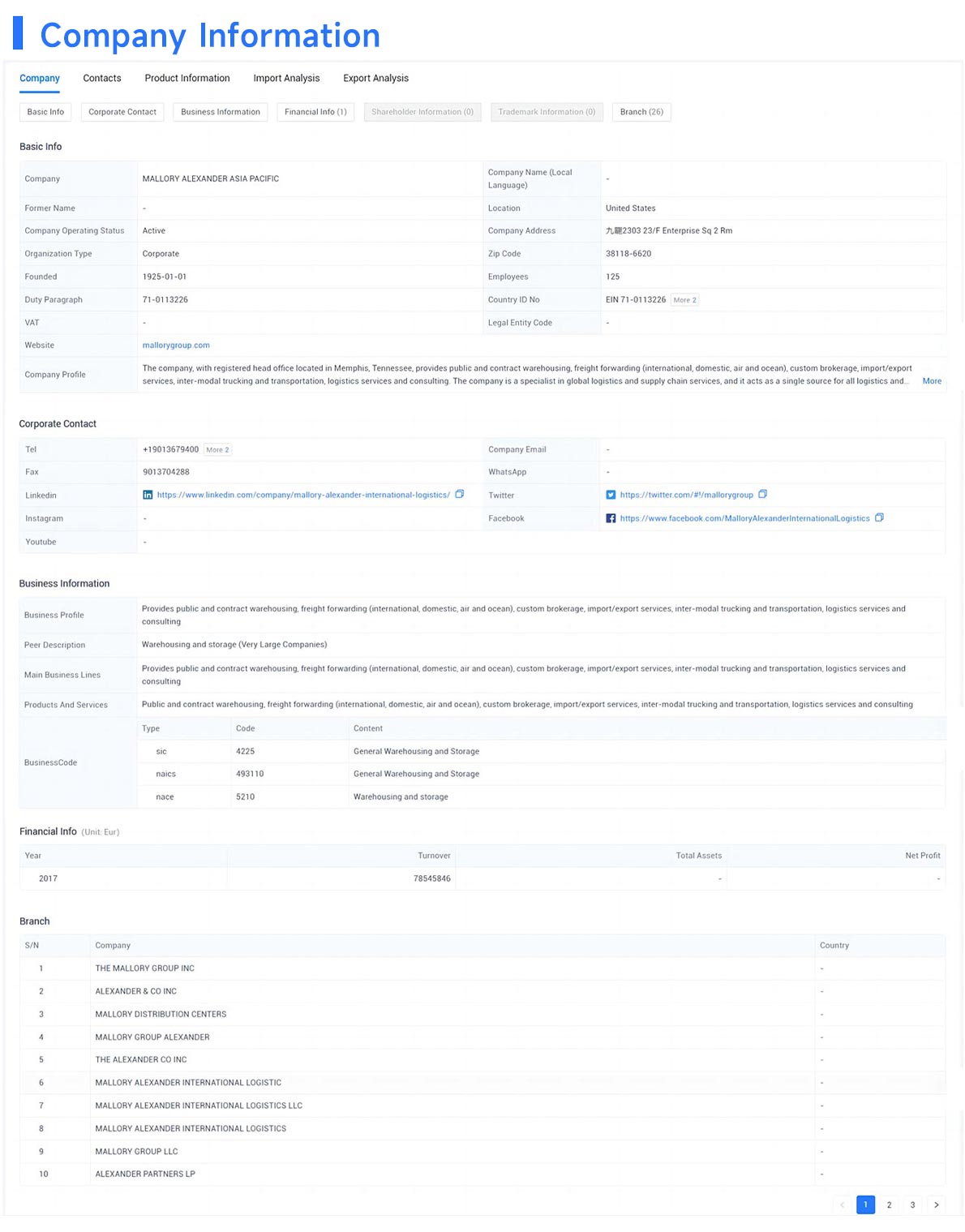
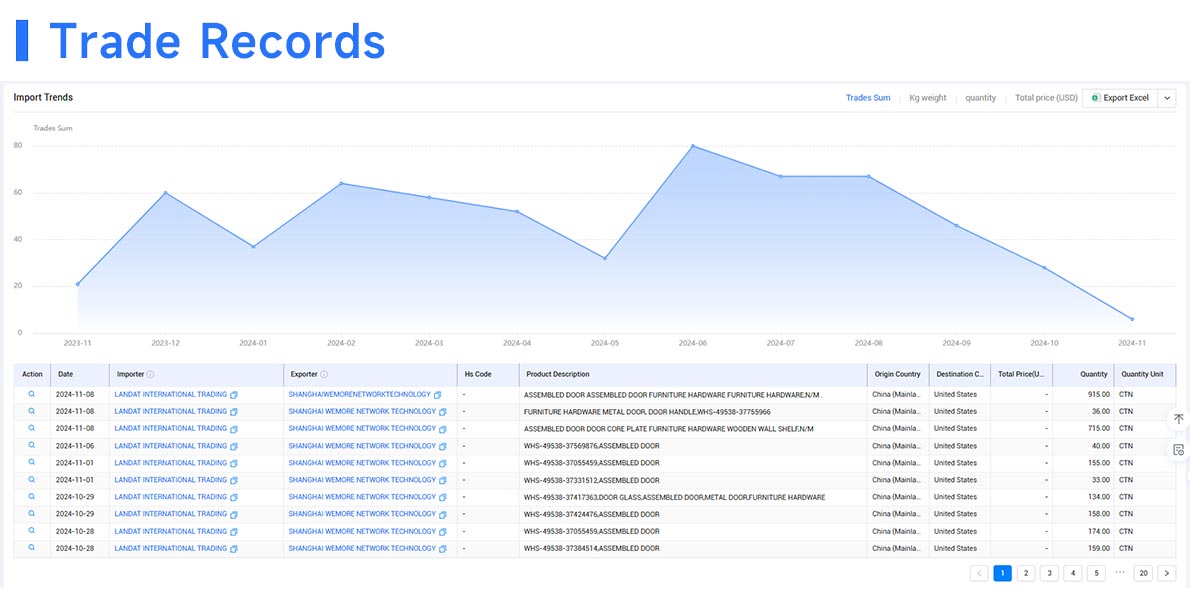
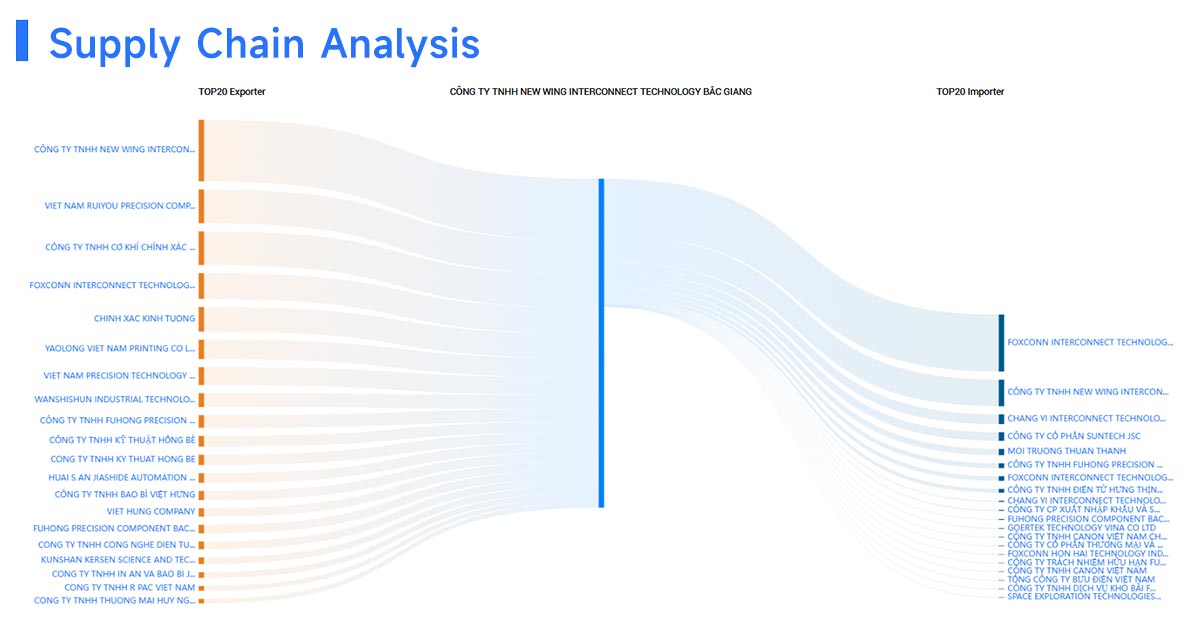
· Determine the importance level of these customers and organize a callback strategy according to their priority.
· Your first follow-up email should ideally include a photo from the booth or mention a specific product question they asked. This makes the customer feel you are treating them seriously, not just sending a mass blast.
The trade show is just the first shot; the accurate, subsequent strikes are what truly lead to closing a deal.
Category
Leave Message for Demo Request or Questions