Privacy and Data Protection Policy
Effective Date: 01/07/2026
1. Introduction
Tendata (Shanghai Tendata Tech Co., Ltd., hereinafter referred to as “Tendata”, “we”, “us”, or “our”) is committed to protecting your privacy and data security. This Privacy and Data Protection Policy (“Policy”) explains how we collect, use, store, share, and protect your information when you visit our websites, use our customs data query systems, software�as�a�service (SaaS) platforms, or otherwise engage with our services.
2. Scope
This Policy applies to:
Tendata’s official website and related mobile applications;
Tendata’s customs data analytics software and SaaS offerings;
Communications via phone, email, or offline meetings.
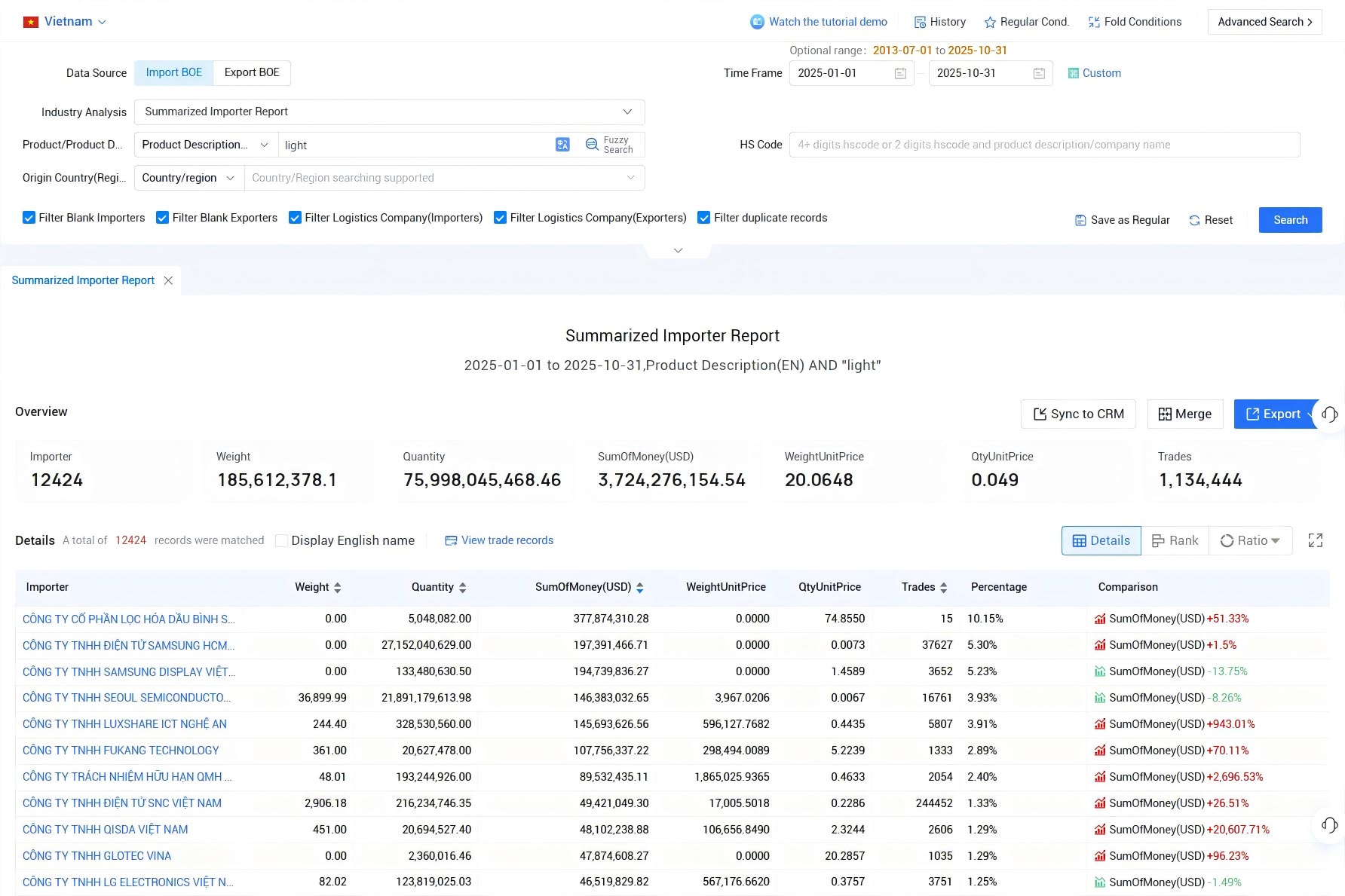
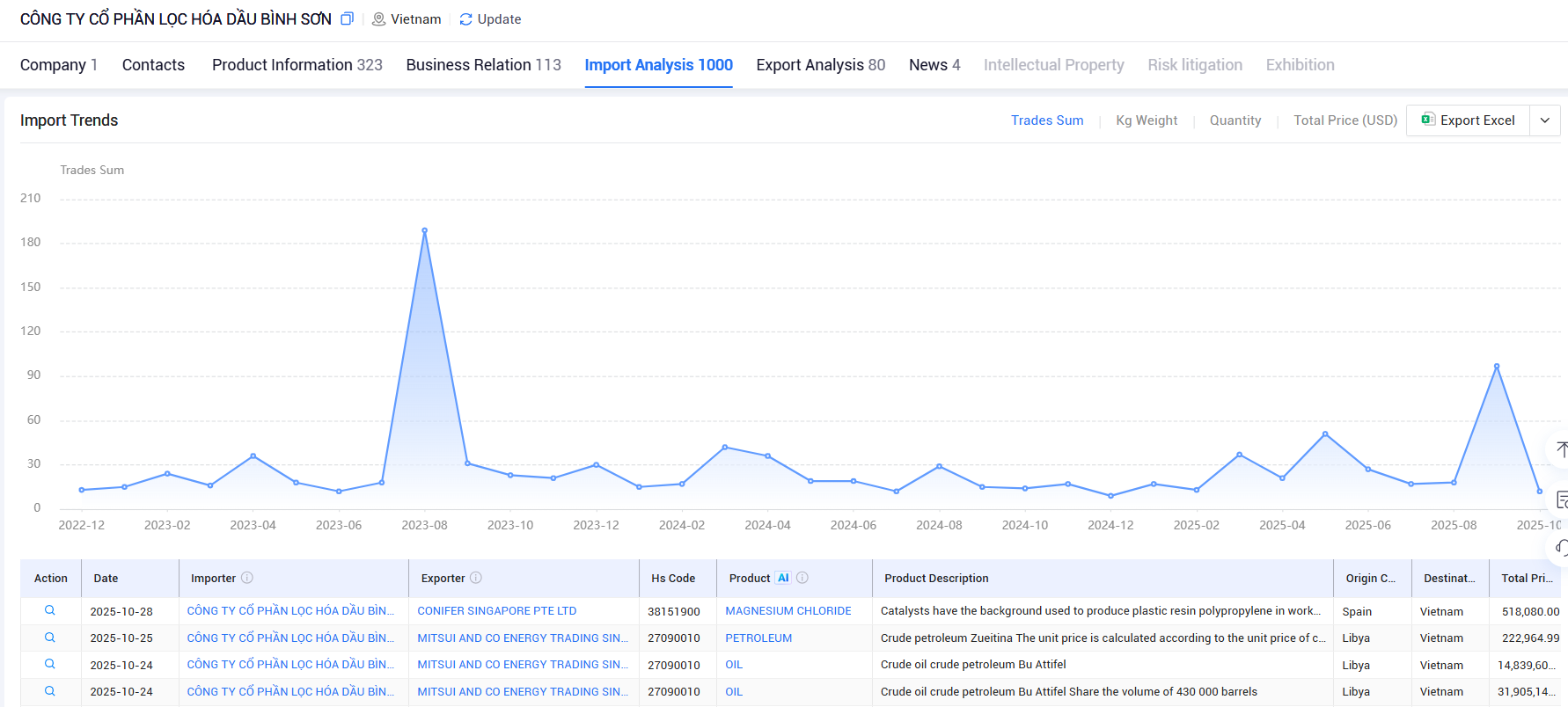
Special Note: The “customs data” referred to in this Policy primarily involves commercial business information in international trade (e.g., importer/exporter names, transaction values, quantities, product descriptions). Tendata does not actively collect sensitive personal information of natural persons (such as biometric or health data), unless you voluntarily provide such information as our client representative.
3. Categories of Information We Collect
We collect information in three main categories:
3.1 Information You Voluntarily Provide
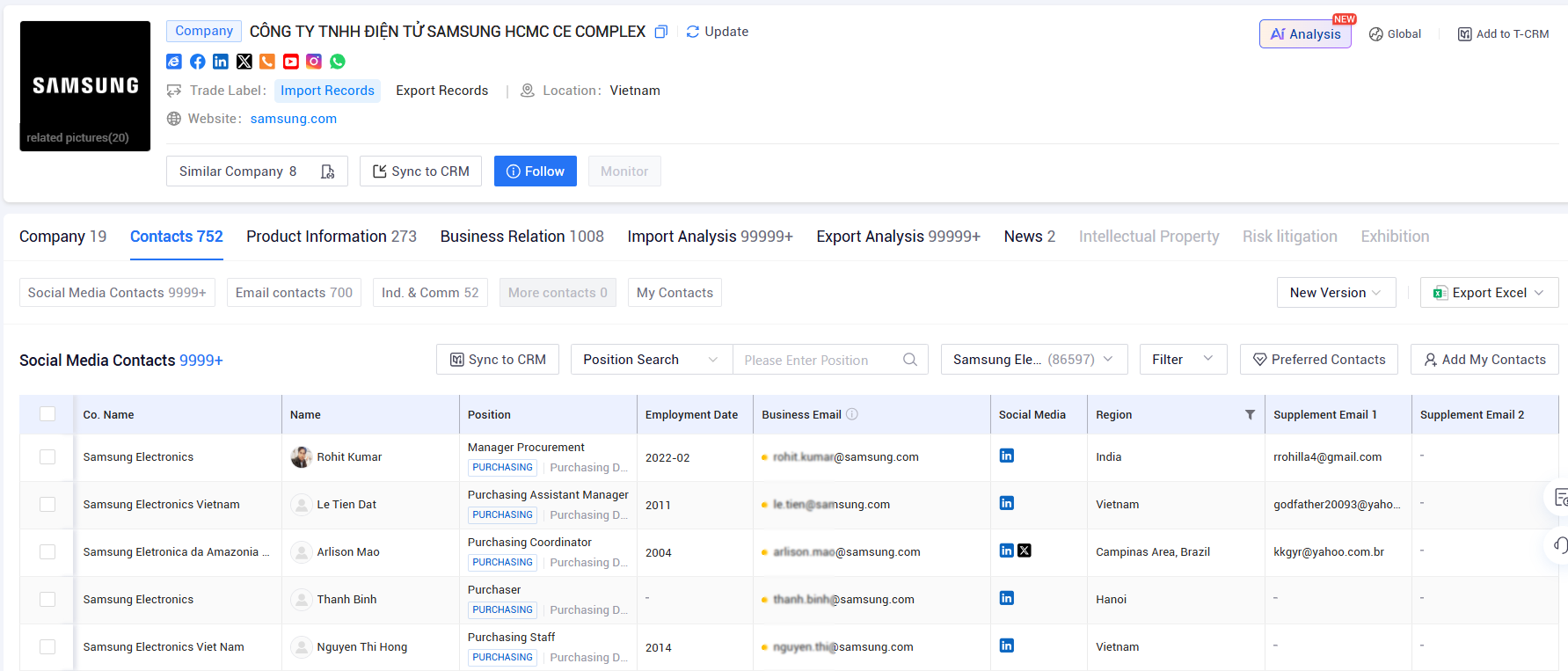
Account Information: name, job title, company name, corporate email address, phone number, and office address.
Communication Content: inquiries, feedback, and attachments submitted through online forms, customer service chats, or email subscriptions.
3.2 Information Generated During Service Use
Search and Query Records: keywords, HS codes, product descriptions, and browsing history entered into our system.
Log Data: IP address, browser type, operating system, access times, and page clickstreams.
Transaction and Contract Information: details of purchased service packages, payment records, and invoice information.
3.3 Information from Third-Party Sources
We may verify your corporate background information from publicly available commercial channels to ensure compliance with our service terms.
4. How We Use Your Information
We use your information for the following legitimate purposes:
Service Provision and Support: account activation, generation of data analytics reports, processing refunds, and handling technical support requests.
Product Improvement: analysing user behaviour patterns to optimise our data algorithms and user interface.
Marketing and Notifications: sending industry insight reports, product updates, or event invitations, subject to your prior consent.
Legal Compliance and Security: detecting and preventing fraud, maintaining system security, and fulfilling anti�money laundering and export control compliance obligations.
5. Data Storage and Protection
5.1 Storage Location
Your personal and business data are primarily stored on servers located in Shanghai, China, and on Alibaba Cloud’s secure infrastructure. We strictly comply with applicable data localisation requirements.
5.2 Security Measures
Tendata employs industry�leading security measures to protect your data:
Transport Layer Security: full�site TLS 1.3 encryption to ensure secure data transmission.
Storage Encryption: sensitive fields are encrypted using AES�256 encryption.
Access Control: a strict internal permission hierarchy, granting access only to authorised personnel on a “minimum necessary” basis.
Backup and Disaster Recovery: automated daily backups to ensure high data availability.
6. Sharing, Transfer, and Disclosure of Your Information
6.1 Sharing with Third�Party Partners
We only share your data when necessary:
Service Providers: such as cloud service providers (Alibaba Cloud), email delivery services, and payment gateways. These partners are bound by strict data processing agreements.
Legal Requirements: disclosure in response to mandatory requests by Chinese laws, administrative regulations, or judicial authorities.
6.2 Business Transfers
If Tendata is involved in a merger, acquisition, or asset restructuring, your data will be transferred as part of the business assets. We will notify you in advance and require the new entity to continue to comply with this Policy.
6.3 Prohibition on Sale
Tendata explicitly undertakes that we will never sell, trade, or rent your personal data or business secrets to any unrelated third party.
7. Your Data Subject Rights
Under the Personal Information Protection Law (PIPL) and the GDPR, you have the following rights:
Right to be Informed and Right of Access: you may contact us at any time to confirm whether we are processing your personal data and request a copy of that data.
Right to Rectification: you may request correction of inaccurate or incomplete data.
Right to Erasure (“Right to be Forgotten”): under certain circumstances (e.g., when the purpose of processing has been fulfilled or you withdraw consent), you may request deletion of your personal data.
Right to Withdraw Consent: you may withdraw your consent for marketing communications at any time.
Right to Data Portability: you have the right to request that the structured data you provided be transferred to another controller.
How to Exercise Your Rights: Please send an email to [
[email protected]] . We will respond within 15 business days.
8. Cookies and Similar Technologies
We use strictly necessary cookies to maintain login sessions and improve page loading speed. You may disable cookies in your browser settings, but this may affect the functionality of certain features. We do not use cookies to track your cross�site behaviour for profiling.
9. Protection of Minors
Our services are designed for businesses and professionals and are not intended for individuals under the age of 14. If we discover that we have inadvertently collected information from a child, we will delete it promptly.
10. Policy Updates
We reserve the right to update this Policy from time to time. For material changes (e.g., changes in the purposes of data processing), we will notify you prominently via in�app messages or email.
11. Contact Us
If you have any questions, complaints, or suggestions regarding this Policy or data security, please contact our Data Protection Officer:
Shanghai Tendata Tech Co., Ltd.
Address: 8th Floor, Building 1, No. 20, Lane 91, Eshan Road, Pudong New Area, Shanghai
Data Protection Email:[
[email protected]]
Phone: +021-60898388-8111

 Tendata AI
  Exhibition
 B2B Platforms
 Standalone Website
 Social Media
 Emails
 Trade Data Provider
 2025-12-11