 Tendata AI
  Exhibition
 B2B Platforms
 Standalone Website
 Social Media
 Emails
 Trade Data Provider
 2025-12-24
In the world of international commerce, a company's trade records are the roadmap to its strategic operations. For competitors, these records reveal market share and pricing strategies; for procurement professionals, they provide a vetted list of reliable suppliers.
If you are looking to gain transparency into a specific business entity, here is the most effective process for obtaining comprehensive trade records, including product specifications and supplier identities.

1. The Foundation: Understanding the Bill of Lading
To find a company's trade records, you must first understand the primary source of the data: the Bill of Lading (BoL). Every time a container is shipped internationally, this legal document is generated. It acts as a receipt of cargo and contains:
· Consignee: The company importing the goods.
· Shipper: The supplier or manufacturer exporting the goods.
· Product Description: Detailed information about what is inside the container.
· Weight and Quantity: The volume of the trade.
While these documents are technically public in many jurisdictions, they are scattered across thousands of port authorities and customs offices.
2. Using the Global Trade Data Platform
The most efficient way to access and analyze these documents is through a professional intelligence tool. The Tendata global trade data platform specializes in aggregating these fragmented records into a searchable, user-friendly database.
How to Use Tendata to Find Trade Records:
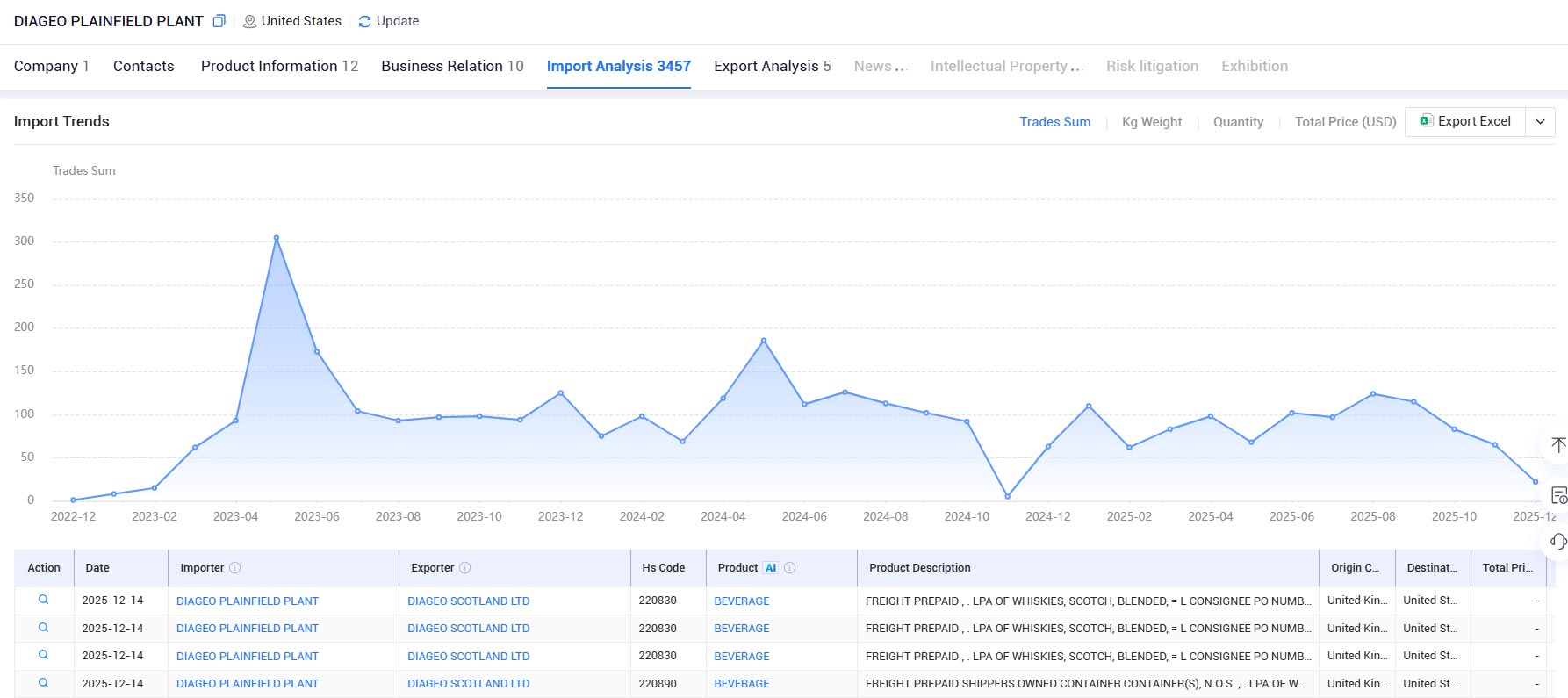
· Company Name Search: Simply enter a company's name into the platform to pull up their entire history of trade records. You can immediately see who they are buying from (suppliers) and who they are selling to.
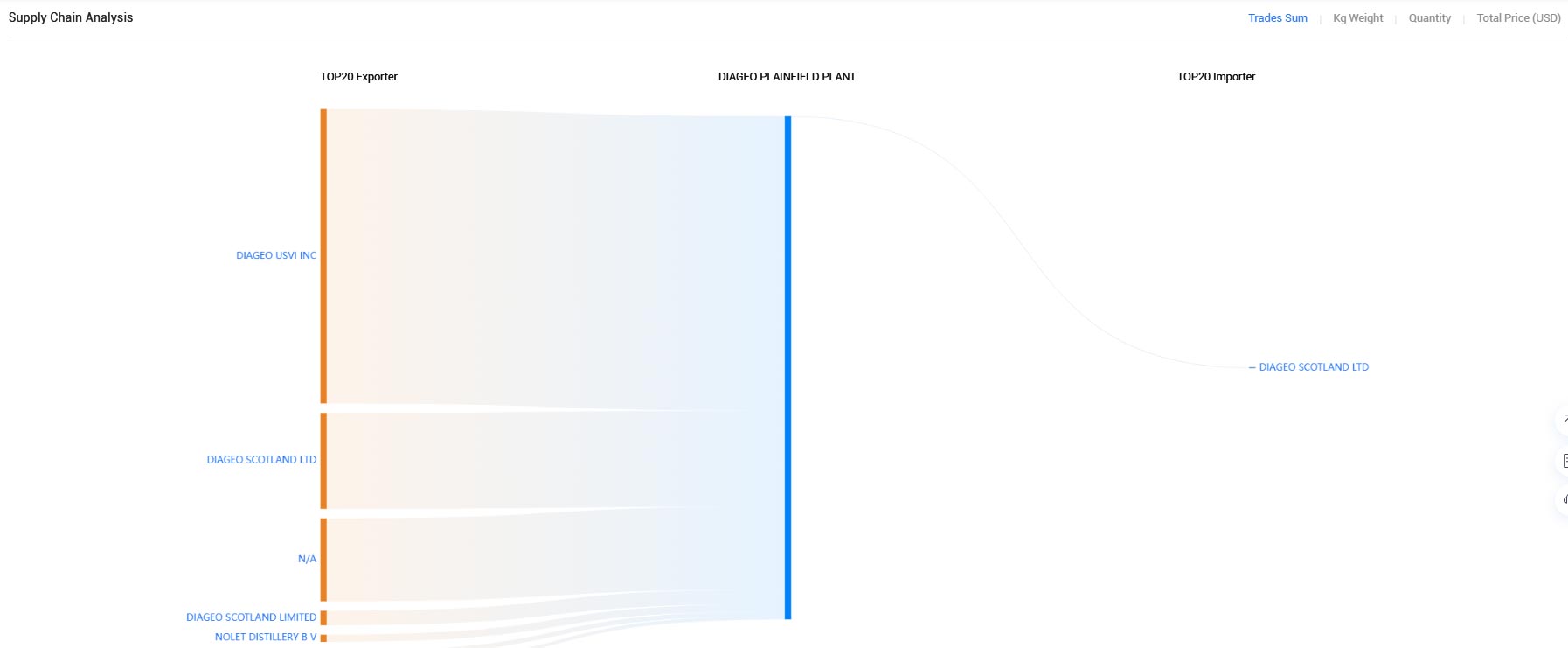
· Supplier Mapping: Tendata provides a "Trade Network Graph," which visually maps out a company's supply chain. This allows you to identify if a company relies on a single source or has a diversified supplier base.
· Product Analysis: By filtering by HS Code or keywords, you can see the specific trade products a company handles. This includes high-level categories and granular details like material composition or model numbers.
· Contact Extraction: Beyond the transaction, Tendata helps bridge the gap between data and action by providing verified contact information for the procurement and logistics managers listed in the trade records.
3. Utilize Government and Trade Portals
If you are looking for macro-level data or specific regional records, government sources can complement your research:
· U.S. Customs (CBP): The United States provides one of the most transparent databases for maritime import trade records.
· Singapore StatLink: Ideal for finding high-level trade flows in and out of Southeast Asia.
· China Customs: Provides monthly updates on trade activities, though company-level details are often more restricted than in the U.S. or India.
4. Why Analyzing Trade Records is Critical
Accessing a company's trade records isn't just about curiosity; it's about risk management and growth.
· Verify Supplier Credibility: Before signing a contract, check a supplier's trade records on the Tendata global trade data platform to ensure they have the export volume and consistency they claim.
· Spot Market Shifts: If a competitor suddenly switches suppliers or moves their sourcing from China to Vietnam, their trade records will be the first place this shift becomes visible.
· Price Benchmarking: Some records include the value of the shipments, allowing you to estimate the unit price your competitors are paying for raw materials.
Summary Checklist
Identify the target company or HS Code.
Search the Tendata global trade data platform for historical trade records.
Analyze the "Shipper" field to identify the primary suppliers.
Filter by date to ensure the trade relationships are still active and relevant.
Category
Leave Message for Demo Request or Questions