 Tendata AI
  Exhibition
 B2B Platforms
 Standalone Website
 Social Media
 Emails
 Trade Data Provider
 2025-12-24
Expanding into international markets requires high-level "due diligence." Whether you are looking for a reliable supplier, vetting a potential buyer, or analyzing a competitor, knowing how to find an accurate overseas company profile is the first step toward reducing trade risk.
Here are the most effective methods to uncover a foreign company's background, financial health, and operational capabilities.

1. Utilize Professional Trade Intelligence Platforms
Traditional business directories often provide static information that may be outdated. For the most accurate and real-time insights, professional platforms are the gold standard.
The Tendata Global Trade Data Platform
The Tendata global trade data platform is a specialized tool that goes beyond basic "about us" sections. It leverages official customs data and shipping records to build a dynamic profile of a company.
· Transaction History: See exactly what a company has imported or exported over the last several years.
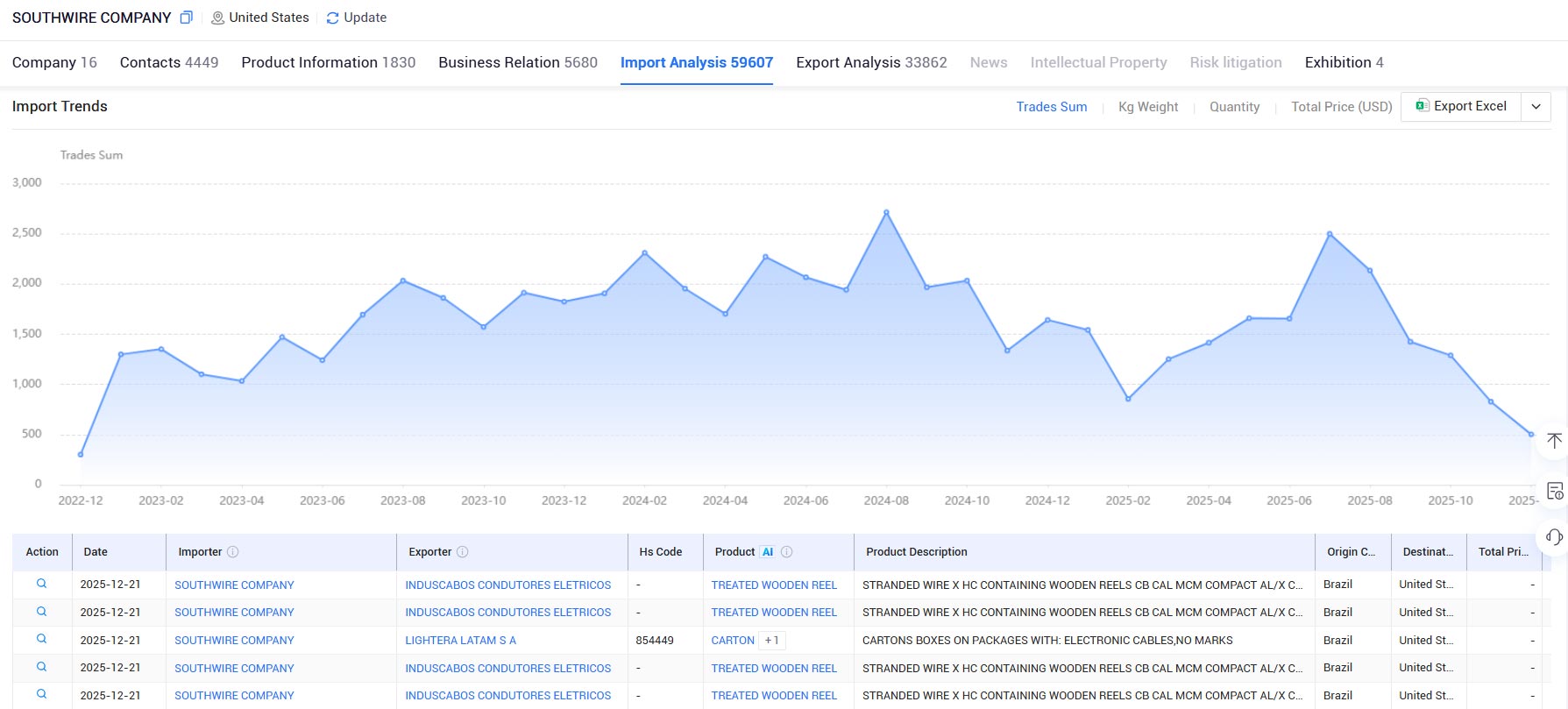
· Supply Chain Mapping: Identify a company's primary suppliers and buyers to understand their position in the global market.
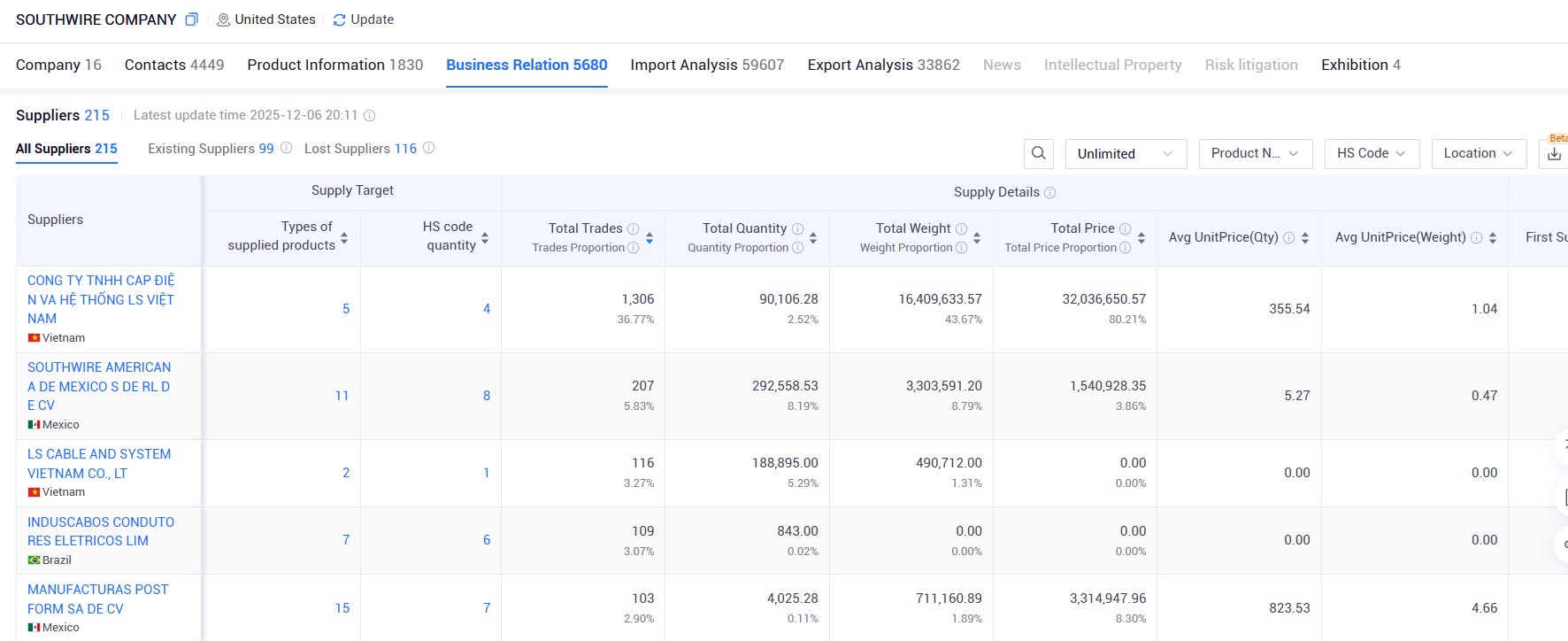
· Operational Scale: By analyzing shipment frequency and volume, you can determine if a company is a large-scale enterprise or a small trader.
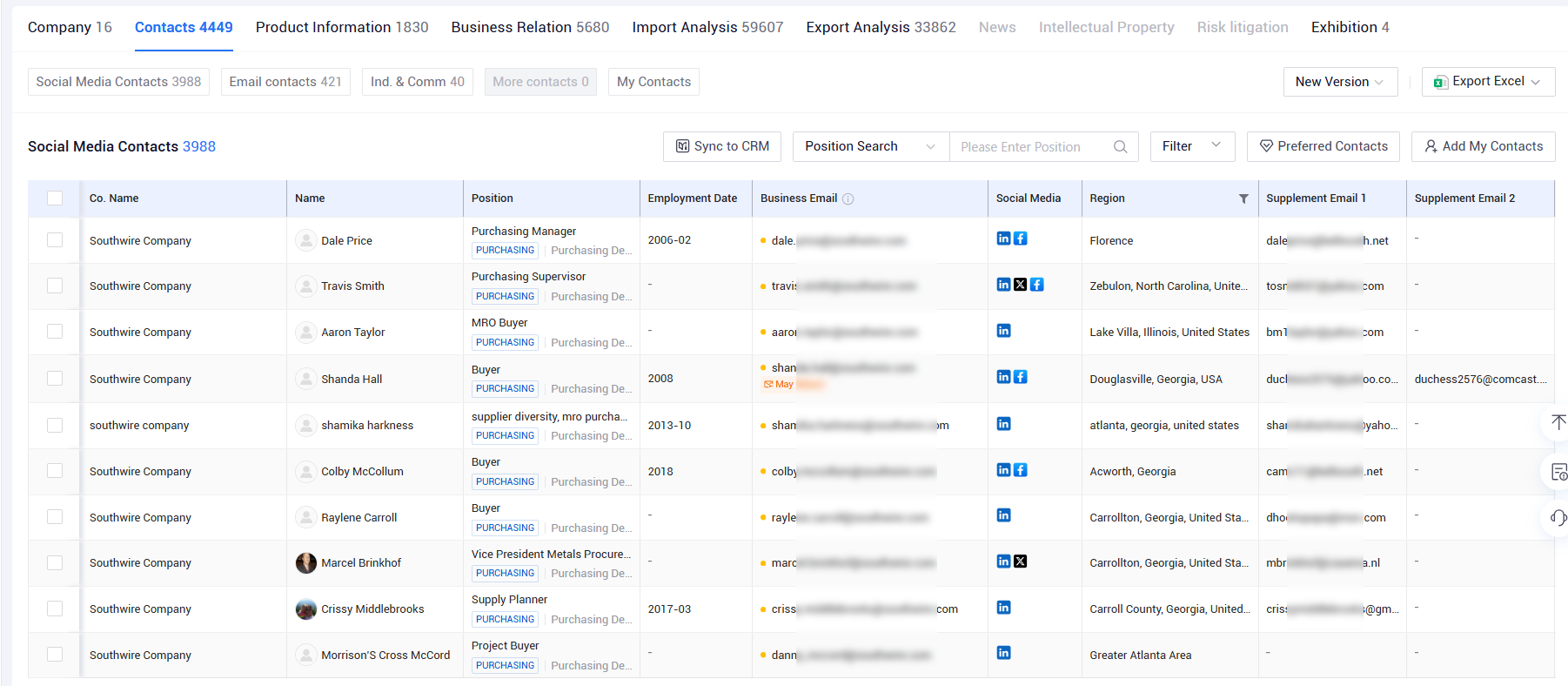
· Direct Contacts: Tendata often provides verified contact details for key decision-makers, allowing you to bypass general info-line emails.
2. Check Official Government Business Registries
Most countries maintain an official register of all legal business entities. These are highly reliable for verifying a company's legal status and registration date.
· European Union: Use the BRIS (Business Registers Interconnection System) to search for companies across EU member states, Iceland, Norway, and Liechtenstein.
· Singapore: Access the ACRA (Accounting and Corporate Regulatory Authority) for detailed "BizFile" reports.
· United Kingdom: Use Companies House to find free information on company directors, registered addresses, and annual financial filings.
· United States: Check individual state Secretary of State websites for business entity searches (e.g., Delaware Division of Corporations).
3. Review Financial and Credit Reports
A company may look successful on paper but struggle with cash flow. Credit reports are essential for assessing "creditworthiness."
· Dun & Bradstreet (D&B): Their D-U-N-S Number is a global standard for identifying businesses. You can purchase a "Business Information Report" to see credit scores and payment histories.
· CreditSafe: A popular alternative for European and international company credit checks, providing risk ratings and recommended credit limits.
· Moody's or S&P Global: For larger, publicly traded overseas firms, these agencies provide in-depth financial ratings and market analysis.
4. Using Social and Professional Networks
In many regions, a company's digital footprint is as telling as its legal filings.
· LinkedIn: Search the company's official page to see their employee count, recent hires, and corporate updates. Looking at the profiles of senior management can give you a sense of the company's professional culture.
· Glassdoor & Indeed: Reviewing employee feedback can reveal internal stability and operational issues that aren't visible in trade data.
· Local Business Chambers: Many countries have "Chambers of Commerce" (e.g., AmCham, EuroCham) that maintain member directories of reputable firms.
Category
Leave Message for Demo Request or Questions