
 Tendata AI
  Exhibition
 B2B Platforms
 Standalone Website
 Social Media
 Emails
 Trade Data Provider
 2026-01-14
Today, having access to import export Data is no longer a competitive advantage. Most foreign trade professionals have heard of it, and many have already used it. The real gap lies in one simple question: do you know how to use the data properly?
In reality, many people face similar problems:
· They have a large amount of data but don't know where to start
· They download long lists of company names, yet conversion rates remain very low
· Customer development looks “busy,” but deals happen randomly
The problem is not that import export Data is useless. The problem is unclear objectives and unsystematic usage.

1. The Real Value of Import Export Data: Judging, Not Just Finding, Customers
Before discussing specific methods, it is important to correct a common misunderstanding.
Many people treat import export Data as a “customer list generator.” In fact, its core value lies in verification and evaluation.
Based on real customs declaration records, import export Data can tell you three critical things:
· Whether a company is truly engaged in import and export activities
· Whether it is consistently purchasing a specific category of products
· The current purchasing scale and stability of its supplier relationships
These insights are extremely difficult to obtain in full through company websites, social media, or online directories alone.
Platforms like Tendata, which have been deeply focused on import export Data services for years, do not just compete on “data volume.” Their real strength lies in long-term data cleaning, structuring, and update mechanisms that transform raw data into information that can be directly used for judgment and decision-making.
2. Build Precise Buyer Profiles Instead of Mass Outreach
One of the most common uses of import export Data is filtering target customers. However, the difference between effective and ineffective filtering is enormous.
Ineffective approaches often look like this:
· Exporting buyers only by HS code
· Ignoring time range and purchase frequency
· Treating all companies the same
· Sending mass emails to everyone
This is still, in essence, spray-and-pray marketing.
A more effective approach: build a purchasing profile
With import export Data, you can analyze at least the following dimensions:
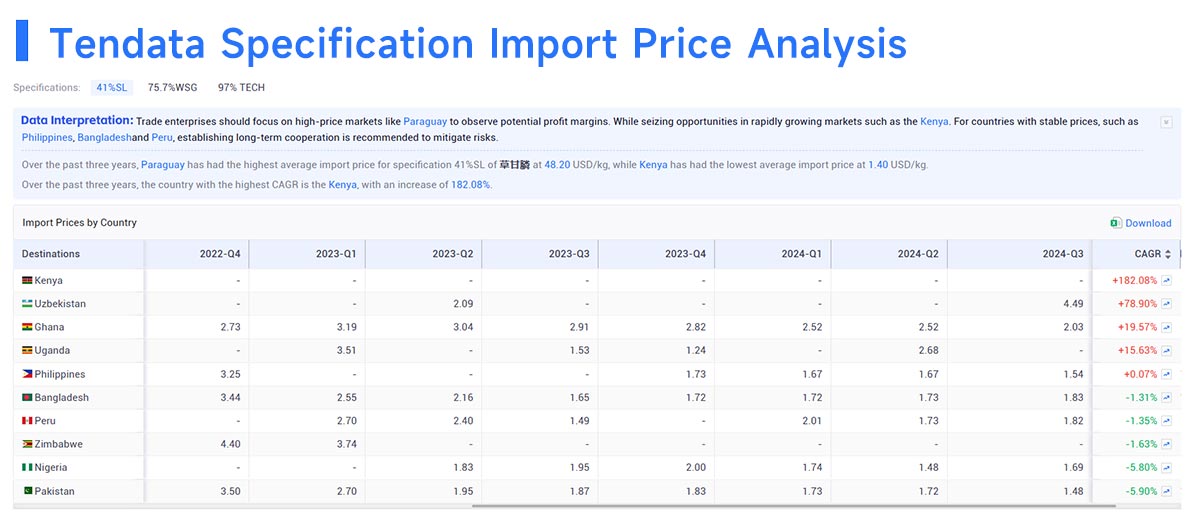
· Purchase frequency: one-time purchases or long-term repeat buying
· Purchase cycle: whether there is a clear replenishment rhythm
· Purchase volume: trial orders or stable bulk procurement
· Supply source: long-term cooperation with Chinese suppliers or not
Only when these dimensions are combined do you get a truly valuable buyer profile.
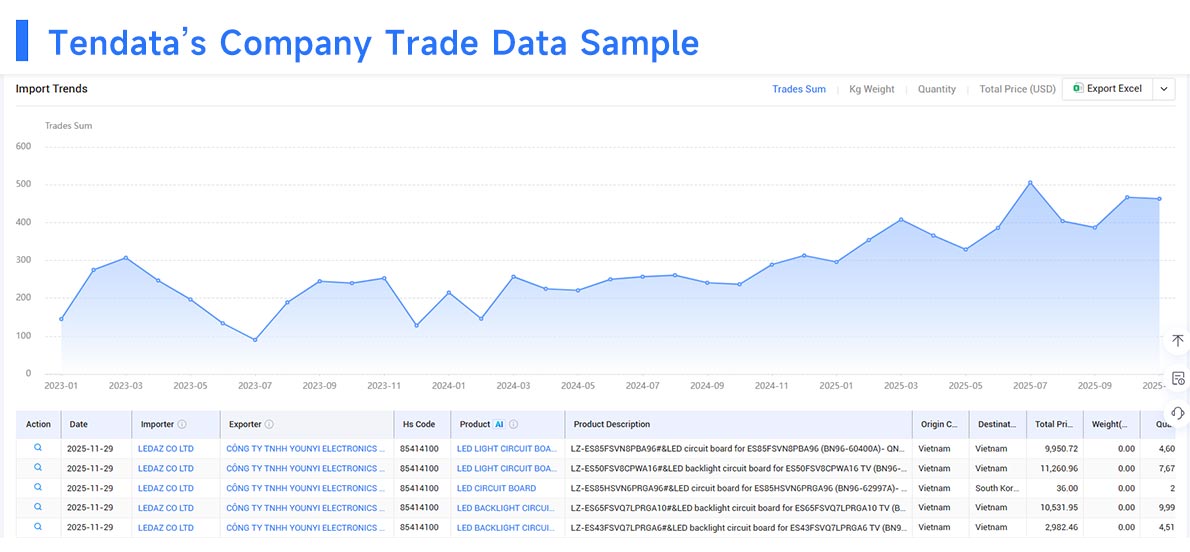
For example, many users of the Tendata platform focus on transaction records from the past 12–24 months, prioritizing companies that show continuous activity, high product matching, and stable supplier relationships, rather than simply exporting thousands of company names.
3. Use Import Export Data to Assess Real Purchasing Power
One of the most time-consuming frustrations in foreign trade is spending months following up with a “potential customer,” only to discover they have no real purchasing power.
Import Export Data is one of the most effective tools to avoid this situation.
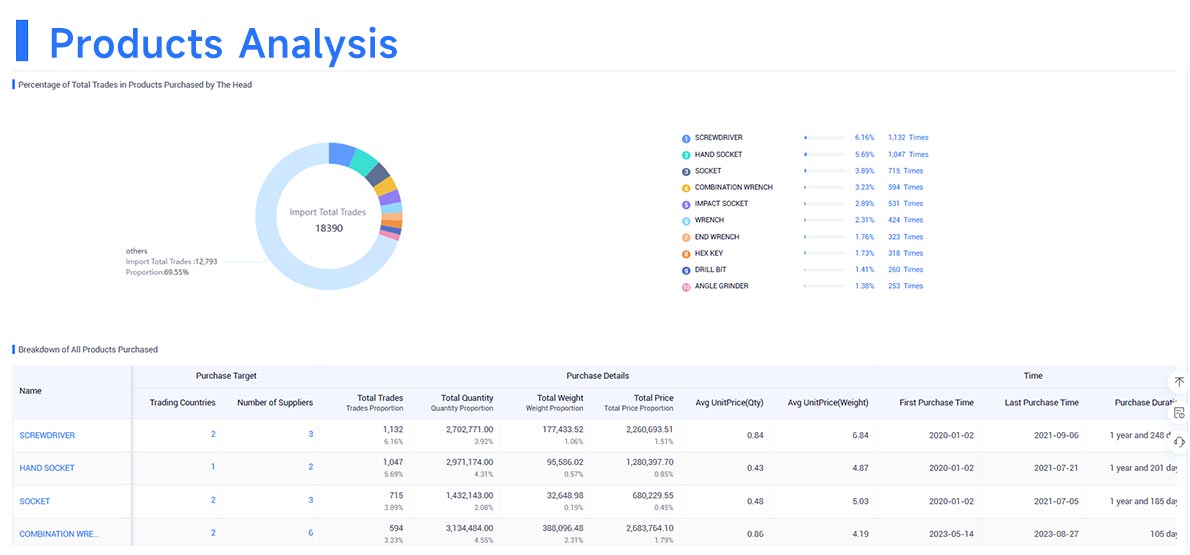
Key indicators worth paying attention to include:
· Changes in shipment value per transaction: expanding or shrinking order sizes
· Annual total purchase value trends: growing, stable, or declining
· Number of suppliers: whether the buyer frequently changes suppliers
These indicators help you determine:
· Whether the buyer is expanding or conservative
· Whether it is suitable to introduce new products or higher-value solutions
· Whether the customer is worth long-term, in-depth follow-up
Compared with guessing based on email tone or response speed, import export Data provides behavior-based evidence, not assumptions.
Conclusion
Import Export Data itself does not create results. The way you use it does.
When used systematically—with clear objectives, structured analysis, and proper buyer profiling—import export Data becomes a powerful decision-making tool rather than a simple list of leads. Platforms like Tendata help bridge the gap between raw data and real business outcomes, enabling foreign trade professionals to focus their time and energy on customers that truly matter.
In foreign trade, effort alone is not enough. Precision, judgment, and data-driven thinking are what ultimately drive consistent results.
Category
Leave Message for Demo Request or Questions