 Tendata AI
  Exhibition
 B2B Platforms
 Standalone Website
 Social Media
 Emails
 Trade Data Provider
 2026-01-22
In foreign trade, finding customers is only half the job. The other half—and often the more critical part—is customer background investigation. Proper due diligence helps you avoid unreliable buyers, understand real purchasing power, and approach prospects with the right strategy.
So how should foreign trade professionals conduct customer background checks? And what tools can help? Below is a practical, step-by-step guide.

1. Company Website and Social Media
(1)Official Website
A company's official website is usually the first place to start. Focus on:
· Company history and development timeline
· Product lines and whether they match your offerings
· Target markets and customer positioning
· Key personnel and management team
A well-maintained website often reflects business stability and professionalism.
(2)LinkedIn
LinkedIn is one of the most powerful tools for B2B background checks. You can:
· Review the company's organizational structure
· Identify decision-makers in purchasing or sourcing
· Check employees' professional backgrounds
· Build trust through shared connections
(3)Facebook / Twitter
Many overseas buyers are active on Facebook or Twitter. These platforms help you:
· Track company updates and business activities
· Identify marketing focus and product promotion
· Assess how active and engaged the company is
2. Google Search and Map-Based Research
(1)Google Search
Use Google search operators such as:
site:
filetype:
inurl:
These commands help you locate hidden documents, PDFs, presentations, or internal pages related to the company.
(2)Google Maps
Google Maps allows you to:
· Verify office or factory addresses
· View real-world surroundings
· Estimate warehouse or plant size
· Assess logistics accessibility
This visual verification is especially useful for checking whether a company actually operates at the claimed location.
3. Trade Data and Business Databases
(1)Global Trade Data
Website: https://www.tendata.com/
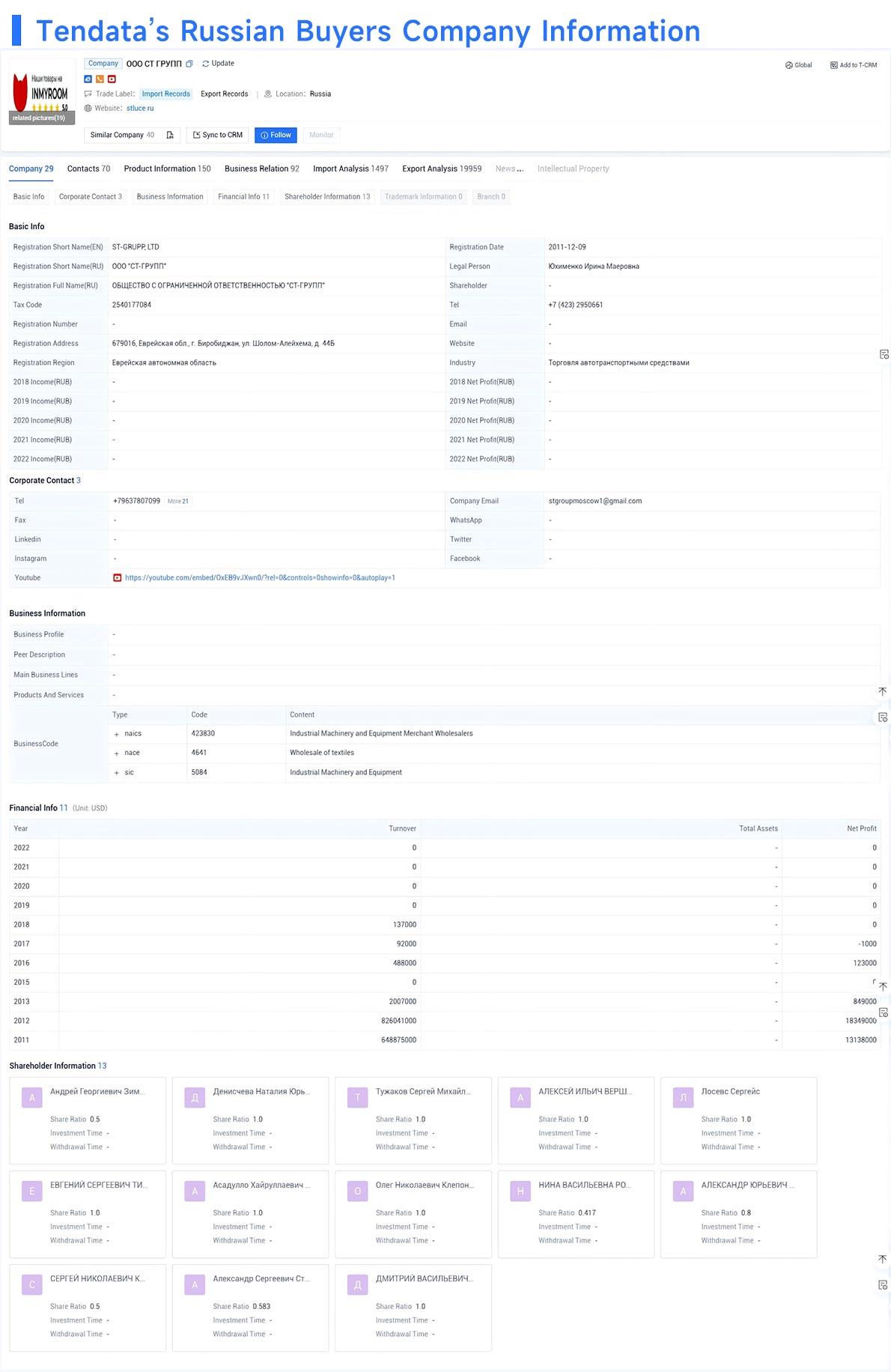
Trade data is one of the most valuable tools for foreign trade background checks. With Tendata, you can:
· View historical import records of overseas buyers
· Analyze purchasing cycles, volumes, and product categories
· Identify supplier countries and sourcing stability
This helps determine whether a customer is a real buyer with verified import behavior.
(2)Corporate Registration & Credit Databases
· OpenCorporates
https://opencorporates.com/
Covers global company registrations, shareholders, and legal structures.
· Dun & Bradstreet (D&B)
https://www.dnb.com/
Provides credit ratings, financial health analysis, and risk assessments.
· China Enterprise Credit System
https://js.gsxt.gov.cn/index.html
For checking Chinese company registration and legal status.
· UK Company Register
https://www.gov.uk/get-information-about-a-company
· Singapore Company Register
https://www.bizfile.gov.sg/
· U.S. SEC Filings
https://www.sec.gov/search-filings
For financial disclosures of publicly listed U.S. companies.
· Buzzfile
https://www.buzzfile.com/
Provides basic company information for U.S. businesses.
· Thomasnet
https://www.thomasnet.com/
Includes company profiles, employee size, and registration details for U.S. manufacturers.
· Manta
https://www.manta.com/
Covers basic information and contact details for over 17 million U.S. companies.
· Endole (UK)
https://open.endole.co.uk/insight
Provides UK company registration data and contact information.
4. Domain and Website History Analysis
(1)Whois Lookup
Website: https://www.whois.com/
Whois tools help you:
· Check domain registration dates
· Identify ownership changes
· Verify whether a website is newly created or long-established
A long-standing domain often signals business continuity.
(2)Website Archive (Wayback Machine)
Website: https://archive.org/
By entering a company's domain, you can:
· View historical snapshots of the website
· Track changes in products and business focus
· Identify sudden shifts that may indicate instability
(3)Website Traffic Analysis
Website: https://www.similarweb.com/
Similarweb allows you to analyze:
· Website traffic volume
· Traffic sources
· Market positioning and audience regions
This helps evaluate the company's online presence and market reach.
Conclusion
Customer background checks are not about distrust—they are about professional risk management.
By combining:
· Official websites and social media
· Google search and map verification
· Trade data platforms like Tendata
· Business registration and credit databases
· Domain and website history analysis
Foreign trade professionals can build a clear, multi-dimensional understanding of potential customers.
In international trade, the more thoroughly you know your customer, the safer—and more successful—your business decisions will be.
Category
Leave Message for Demo Request or Questions