 Tendata AI
  Exhibition
 B2B Platforms
 Standalone Website
 Social Media
 Emails
 Trade Data Provider
 2026-02-02
Foreign trade remains one of the most efficient fields for customer acquisition. The industry is rich in tools, platforms, and channels designed to help exporters reach overseas buyers. However, this abundance of options can also lead to a common problem: too many tools, but too little effectiveness if they are used without a clear strategy.
Broadly speaking, customer acquisition methods in foreign trade can be divided into three categories based on cost and effectiveness: high-cost, low-cost, and free approaches.
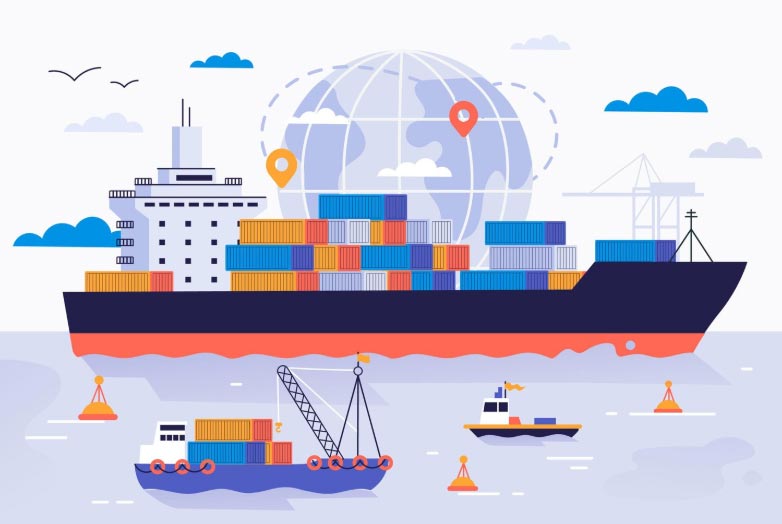
1. High-Cost Customer Acquisition: Professional but Competitive
High-cost methods include paid platforms such as Alibaba International, Google Ads, and other B2B promotion channels, as well as offline trade fairs—both domestic export exhibitions and overseas exhibitions.
Through B2B platforms and a company’s official website, exporters pay for exposure, clicks, and inquiries. The biggest advantage of this approach is that the customers tend to be highly professional and motivated. Buyers usually initiate inquiries on their own, making conversions relatively easier.
However, the drawbacks are also obvious. Costs are high, competition is intense, and differentiation among suppliers can be minimal—especially in domestic markets where competitors are willing to invest heavily. In essence, this is a passive customer acquisition model: you set up your “store,” display your products, and wait for buyers to come to you.
2. Low-Cost Customer Acquisition: Data-Driven and Proactive
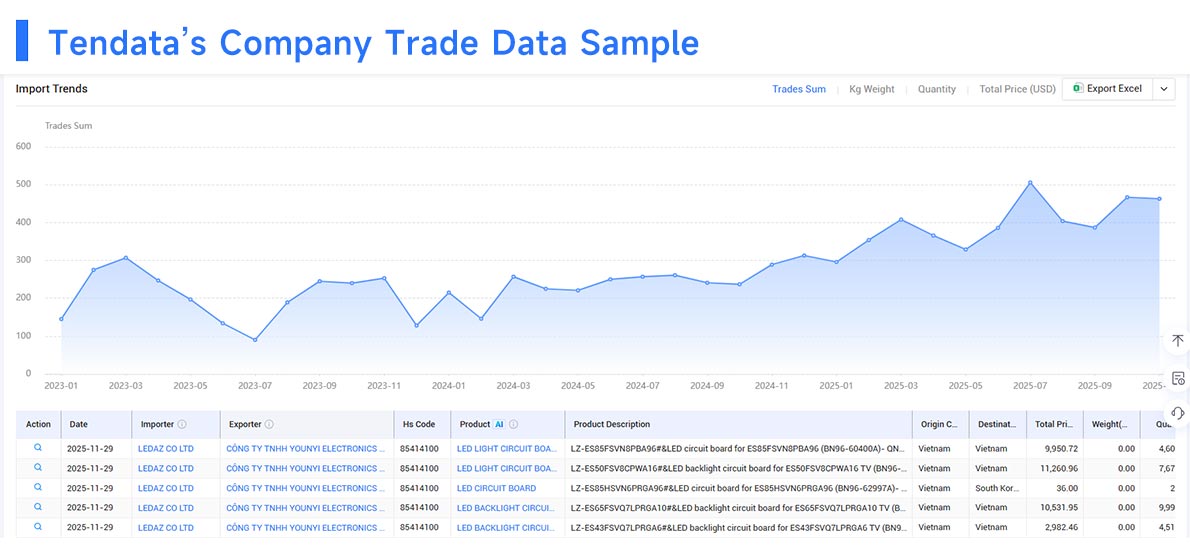
With the growth of foreign trade tools, a large number of third-party customer acquisition software solutions have emerged, such as global trade data platforms. These tools allow exporters to identify potential buyers based on real import and export records.
This approach requires industry experience and strong proactive development skills. Exporters must analyze data to identify target companies and key decision-makers, then reach out through emails, phone calls, or other direct communication channels.
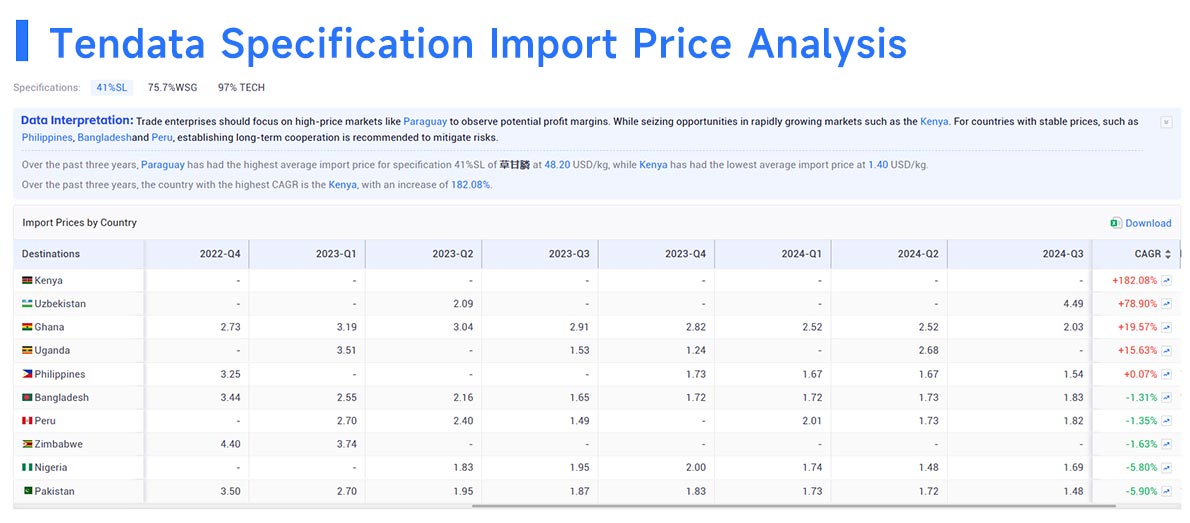
The advantage of third-party tools is the depth of information they provide. Many platforms offer insights into potential customers’ trade volumes, pricing ranges, procurement frequency, and even competitor analysis—making it possible to identify competitors’ customers and uncover hidden opportunities.
3. Free Customer Acquisition: Time-Consuming but Powerful
Purely free methods include Google Maps, Google Image Search, LinkedIn, and other social media platforms. The effectiveness of these tools depends heavily on the user’s familiarity with them and the level of detail in execution.
For example, by conducting detailed, city-by-city searches in a specific country using Google Maps, exporters can uncover a large number of industry-related companies. The challenge lies in qualification: determining which businesses have real import capabilities and which are only local distributors.
Google Maps often provides business phone numbers and website links. From there, success depends on communication skills and negotiation ability—whether you can break the ice and turn initial contact into a business relationship.
Conclusion
There is no single “best” customer acquisition method in foreign trade. High-cost channels offer efficiency and professionalism, low-cost tools provide data-driven precision, and free methods reward patience and execution skills. The key lies not in how many tools you use, but in choosing the right combination and applying them effectively based on your resources, experience, and market positioning.
In foreign trade, tools are abundant—but strategy makes the difference.
Category
Leave Message for Demo Request or Questions