 Tendata AI
  Exhibition
 B2B Platforms
 Standalone Website
 Social Media
 Emails
 Trade Data Provider
 2026-02-02
The moment a foreign trade company starts considering buying trade data, it usually means one thing: the direction is right. It shows an awareness that relying solely on inquiries from B2B platforms is no longer enough, and that customer development has to become proactive.
The real challenge, however, is not where to buy trade data—it’s the fact that there are too many options, with wildly different quality levels. I’ve managed foreign trade teams for years, purchased data services from multiple providers, spent real money, and taken more than a few detours. So instead of vague comparisons, I want to share why we ultimately chose Tendata, and more importantly, how to use it properly so the investment doesn’t go to waste.

Don’t Pay for “Data”—Pay for a Solution
This is the most important lesson I’ve learned.
Early on, we bought a very cheap data package. On paper, it looked amazing: hundreds of thousands of records exported into Excel, row after row of company names. At first, it felt like a bargain. But once we tried to use it, reality hit hard.
Company names were inconsistent—some were abbreviations, some were shipping agents rather than real buyers. There were no contact details, no trade trends, no context. It felt less like intelligence and more like an outdated, chaotic phone directory. The sales team spent countless hours cleaning and verifying data, yet very little of it translated into effective outreach.
That experience made one thing clear: raw data has limited value for most foreign trade companies. What we actually need is processed, structured, and analyzed intelligence that can directly guide action.
Tendata felt different from the start. It’s not just a query window for trade records—it’s a platform designed around the entire foreign trade development workflow. What you pay for isn’t simply access to data, but Tendata’s data governance, analytical models, and efficiency tools behind it.
Market Analysis: If It Helps You Answer “Where to Go,” Half the Cost Is Already Recovered
Many salespeople rush straight into searching for buyers. But if the direction is wrong, no amount of effort will fix it. Tendata’s trend analysis and market research features have become essential tools for our quarterly planning.
For example, one of our product lines is industrial machinery. Traditionally, our main markets were Europe and the United States. However, using Tendata’s T-Insight industry reports, we discovered that imports of this equipment in a Southeast Asian country had quietly increased by nearly 200% over the past 18 months. Even more interesting, the suppliers were heavily concentrated among two leading U.S. companies.
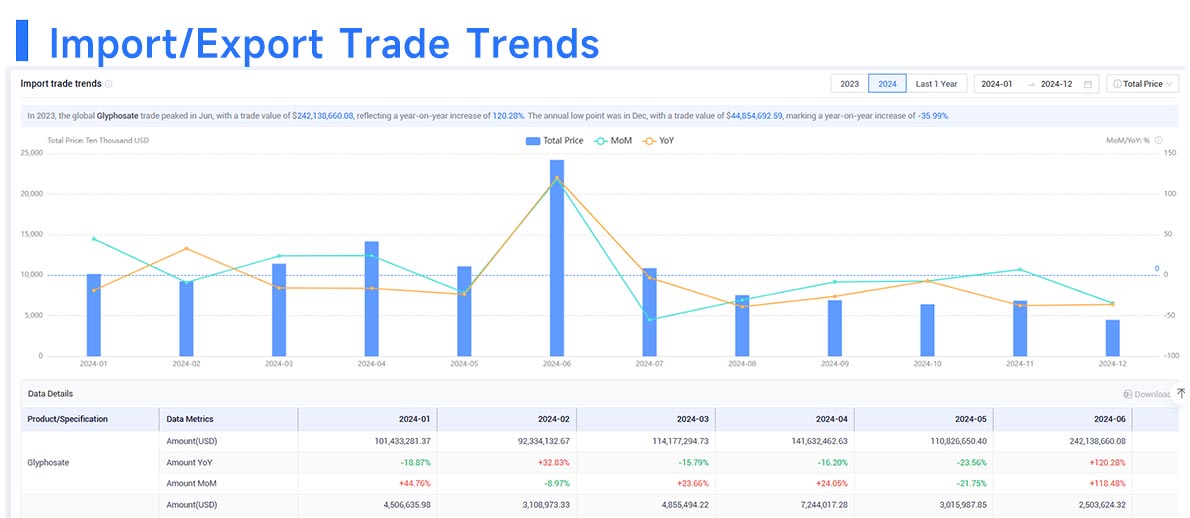
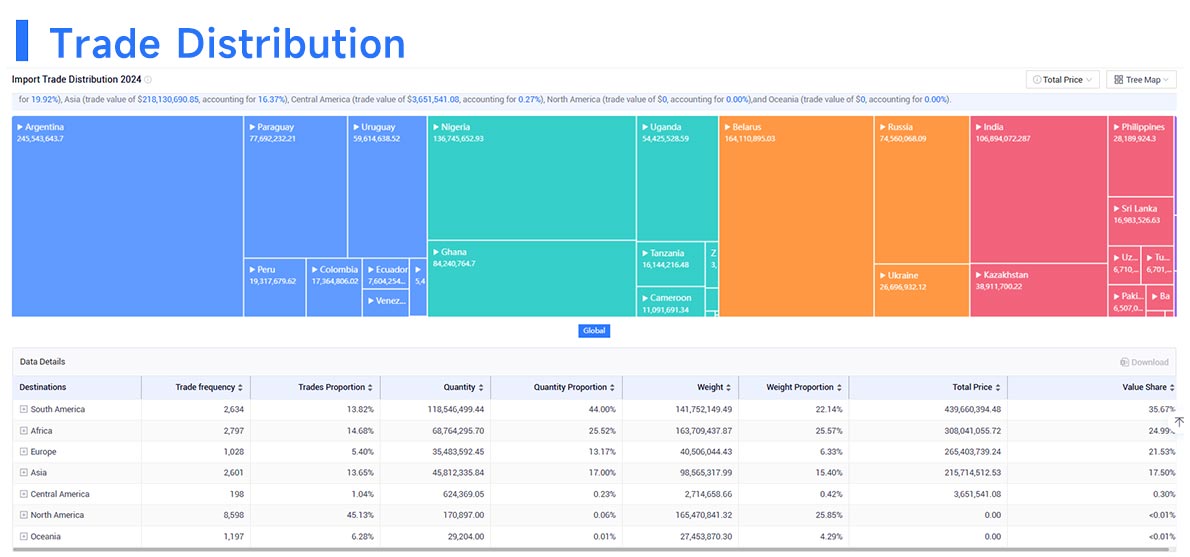
That signal was critical. It told us three things at once:
there was strong emerging demand, buyers trusted U.S.-made products, and competition had not yet become saturated. We immediately reallocated resources and focused on developing that market.
The result? It became our fastest-growing market that year. Just by avoiding blind development and capturing early-stage opportunities, the data investment had already paid for itself.
Finding the Right Buyers: Precision Comes from “Deep Correlation”
Once the target market is clear, the real value of trade data comes into play—finding the right buyers.
Tendata’s strength lies in the depth of its analytical connections. When you search for a product, you don’t just see transaction records. You can generate reports showing import volume trends, major supplying countries, price fluctuations, and even key ports of entry.
These insights matter more than they seem:
· Trend analysis helps prioritize buyers with stable or growing import volumes, while avoiding companies whose purchasing has sharply declined.
· Supplier structure reveals opportunity. Buyers locked into one or two long-term suppliers are hard to penetrate, while those with diverse or frequently changing suppliers often present real openings.
· Price analysis allows quick comparison between a buyer’s historical purchase prices and your own cost structure—helping you decide whether to compete on premium positioning or cost-effectiveness.
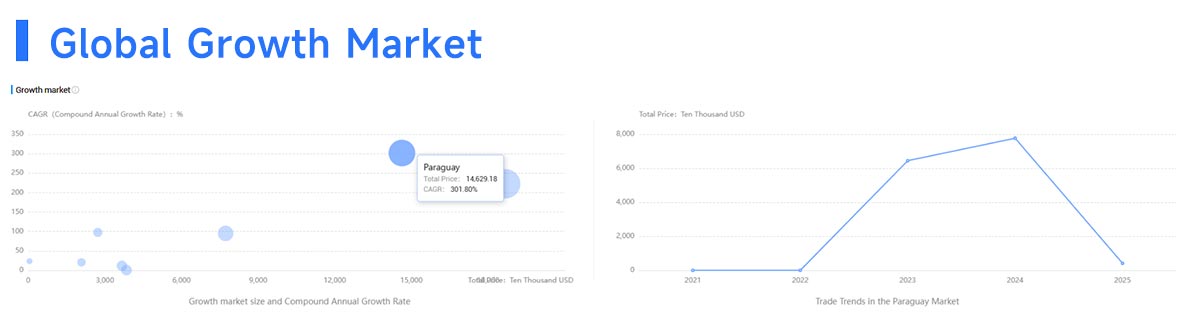
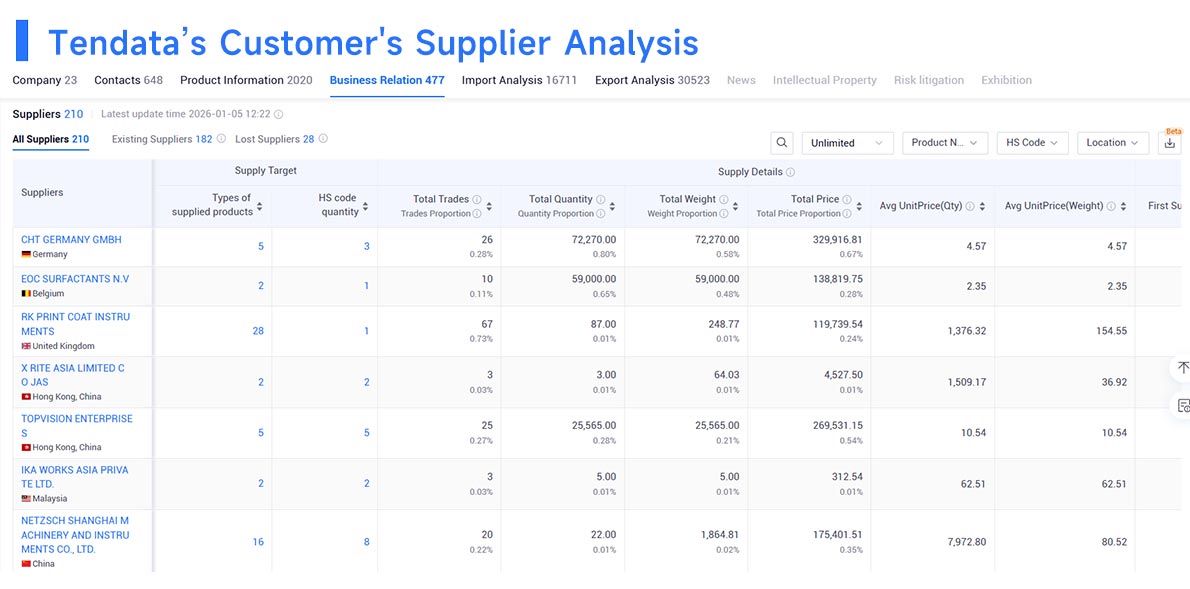
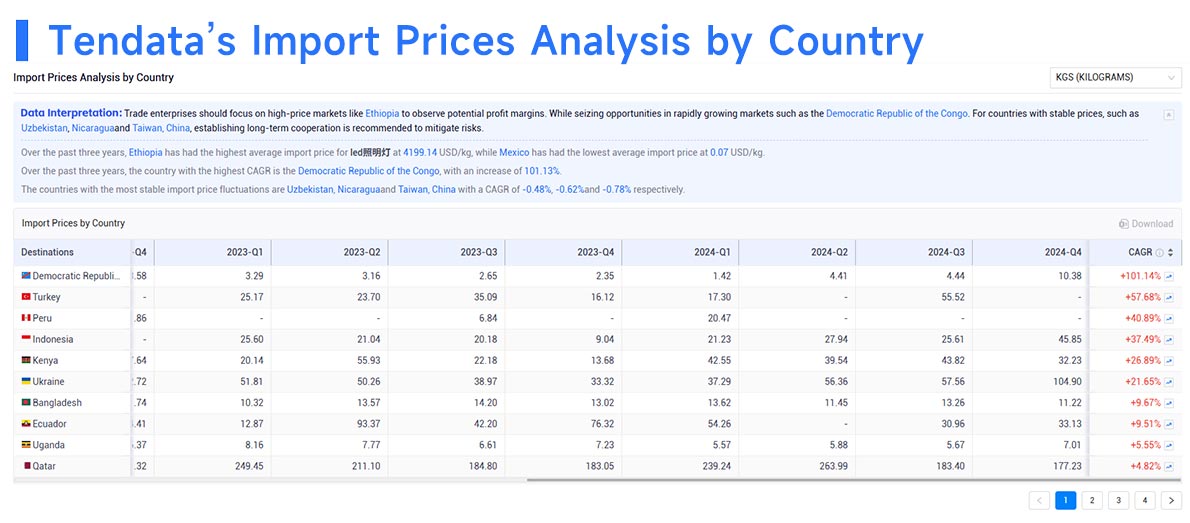
In one case, we identified a South American buyer with large total import volume but highly fragmented suppliers and small per-order quantities. The data suggested a lack of stable primary sourcing. Based on that insight, we proposed a consolidated procurement and tiered pricing model. It worked—and we quickly became one of their main suppliers.
Without deep, reliable data to support that strategy, we would never have had the confidence to make such a move.
Final Thought
Buying trade data is not about collecting more information—it's about reducing uncertainty and making better decisions. When used correctly, a platform like Tendata doesn't just help you find customers; it helps you choose the right markets, prioritize the right buyers, and act with confidence.
In foreign trade, the difference between wasted budget and real growth is simple: Don't buy data. Buy clarity.
Category
Leave Message for Demo Request or Questions