 Tendata AI
  Exhibition
 B2B Platforms
 Standalone Website
 Social Media
 Emails
 Trade Data Provider
 2026-02-06
Do factories lose all opportunities if they don't “do foreign trade” in the traditional sense?
Do you have to spend heavily on B2B platforms or attend exhibitions to win overseas orders?
And if a factory has no experienced sales team or international resources, is finding foreign buyers impossible?
Let's be honest: most factories are not short of products or price advantages. What they lack is an updated approach to customer development. The methods for finding foreign trade customers have already changed—many companies just haven't caught up yet.

Where Do Foreign Trade Customers Actually Come From?
Before asking how to find customers, factories need to understand where customers come from. In reality, overseas buyers typically originate from three core channels:
1. Active inquiries – buyers who discover your company through platforms, search engines, or online visibility.
2. Proactive outreach – suppliers identifying and contacting potential buyers directly.
3. Industry networks and referrals – relationships built through exhibitions, partnerships, and existing client introductions.
Many factories jump straight into “finding customers” without asking a more important question:
Are you looking for quick orders, or are you building a long-term foreign trade strategy?
The answer determines which channels you should prioritize.
Three Common Mistakes Factories Make When Searching for Overseas Buyers
After working with many traditional manufacturers, certain patterns appear again and again:
1. Over-reliance on platforms.
Some factories spend all their energy replying to inquiries, competing on price, and chasing the lowest bids—only to discover after a few months that margins disappear.
2. Mass cold-emailing without targeting.
Email lists scraped from the internet lead to extremely low response rates and wasted effort. Without clear buyer qualification, outreach becomes noise rather than communication.
3. Trying to serve everyone.
No clear focus on countries, industries, or buyer types leads to scattered development efforts and chaotic results.
The root cause behind all three problems is the same:
a lack of focus on precise, well-defined target customers.
A More Effective Approach: Lock in the Right Customers First
Instead of blindly searching everywhere, modern foreign trade development starts with defining who you want to work with.
Step One: Identify Your Ideal Buyer Profile
Ask practical questions:
· Which countries or regions are realistic targets?
· Are you aiming for distributors, brand owners, or project contractors?
· Do potential buyers have stable purchasing records?
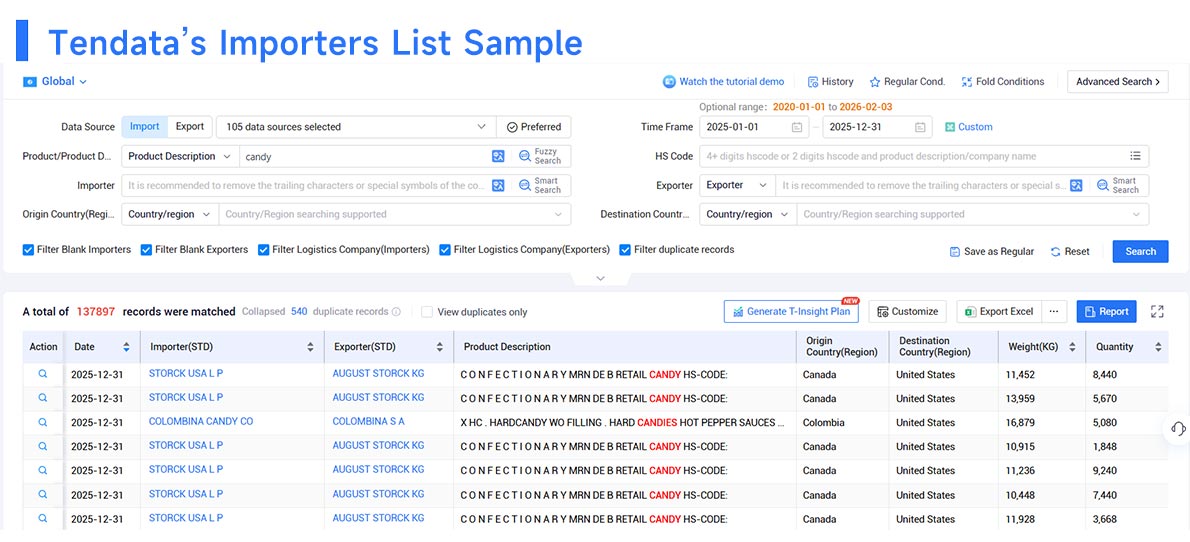
This is where customs data becomes especially useful. It shows who is buying, what they are buying, and how often. Platforms such as Tendata organize trade data by country, product category, and purchasing frequency, helping factories narrow their focus and avoid wasting resources on unsuitable prospects.
Step Two: Make It Easy for Buyers to Find You
Customer development is not only about outreach—it is also about visibility. Instead of constantly chasing contacts, build systems that encourage buyers to approach you first.
Practical actions include:
· Building a professional foreign trade website
· Implementing basic SEO so your product keywords appear in search results
· Maintaining consistent exposure through LinkedIn, Facebook, and other social platforms
Many factories underestimate this process, but today's overseas buyers often search on Google before sending any inquiry. A credible online presence significantly increases trust and conversion.
Some companies choose integrated tools like Tendata because they prefer to manage customer discovery, analysis, and follow-up within one structured workflow rather than juggling multiple disconnected platforms.
The Reality of Foreign Trade Growth
Foreign trade is rarely a “get rich overnight” business. But it is a business that becomes more stable over time when built on the right systems.
Factories entering foreign markets are not lacking in products or pricing—they are lacking a sustainable method for consistently finding and developing customers.
Once the direction is correct, growth becomes less about luck and more about persistence. In foreign trade, the real advantage doesn't come from having more tools—it comes from having a clear strategy for turning opportunities into long-term partnerships.
Category
Leave Message for Demo Request or Questions