 Tendata AI
  Exhibition
 B2B Platforms
 Standalone Website
 Social Media
 Emails
 Trade Data Provider
 2026-02-10
Whether a company focuses on domestic sales or international exports, one goal remains the same — finding the right customers. In foreign trade, this becomes even more critical. Sustainable growth depends not on random inquiries, but on consistently reaching precise overseas buyers who have real purchasing needs.
Receiving inquiries is always exciting. But once you start receiving more of them, you also realize that not all inquiries are equal. Some are vague, generic, or even unreliable. So how can exporters go beyond passive inquiries and develop high-quality international customers? Here are some practical perspectives.

First, Understand Two Important Truths About Customer Development
No matter where you are in your export journey, keep these two points in mind:
1. B2B platforms are not the only way to find customers.
There are many effective channels beyond traditional paid marketplaces.
2. Not every customer comes from a paid platform.
Many valuable buyers are discovered through proactive outreach and independent research.
Expanding your customer acquisition channels increases resilience and competitiveness. If you have the ability to explore new methods — don’t give up halfway. Sometimes, the breakthrough that changes your business comes from an unexpected channel.
The Problem With Passive Inquiry-Based Strategies
Many exporters rely heavily on platform traffic and wait for inquiries to arrive. However, this model has several challenges:
· High advertising and membership costs
· Intense price competition
· Low-quality or vague inquiries
· Limited control over customer sources
Over time, companies may find themselves spending heavily without achieving stable results.
A More Proactive Approach: Developing Customers Through Import–Export Data
Instead of waiting passively for inquiries, many exporters now choose to identify buyers directly using global trade data.
Using import–export data allows companies to:
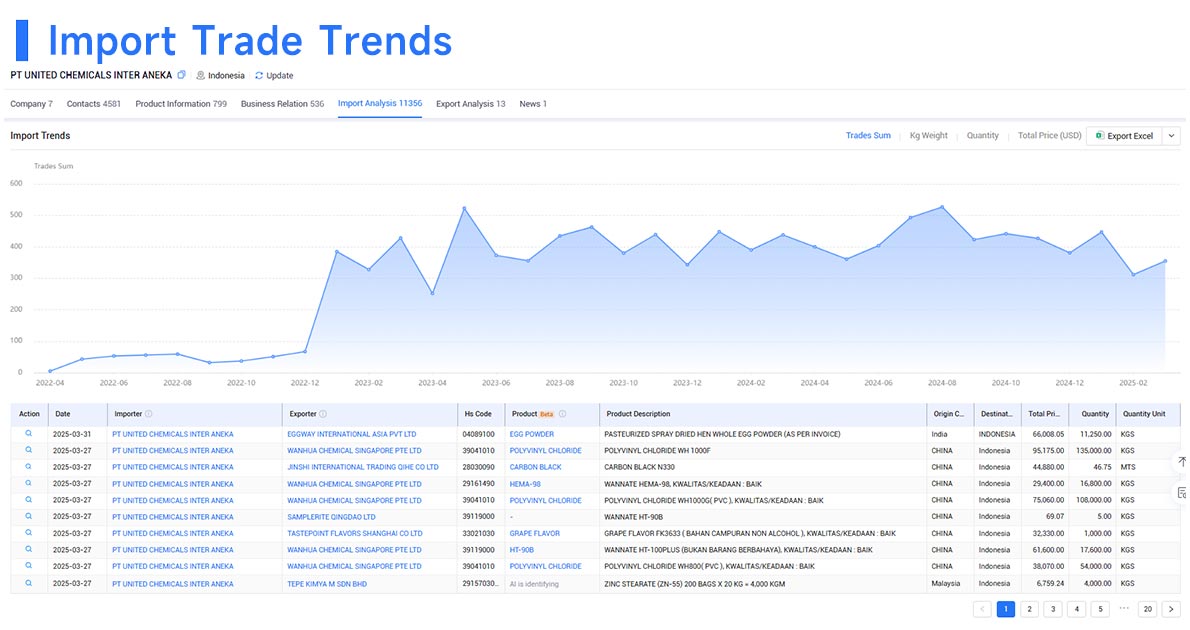
· Identify who is actually buying specific products
· Understand purchasing frequency and supplier relationships
· Discover new markets and potential buyers
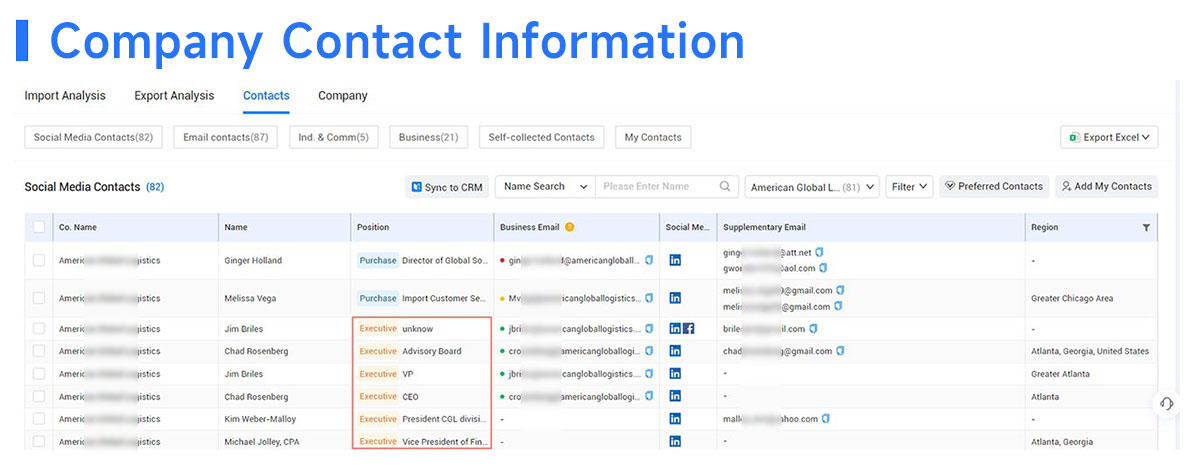
· Reach out directly to companies with proven demand
Unlike expensive exhibitions or high platform fees, this method requires only basic resources — a computer, internet access, and consistent execution.
Why Trade Data-Based Customer Development Is Gaining Popularity
Today, many exporters still depend almost entirely on platforms, which means fewer competitors are actively conducting independent customer research. Companies that master data-driven prospecting often gain a significant advantage: Lower trial-and-error costs, Greater control over target markets, Higher-quality leads, Reduced dependence on expensive advertising
Platforms can still play a role, but combining them with proactive data research creates a more balanced and sustainable growth strategy.
A Practical Tool for Data-Driven Customer Development
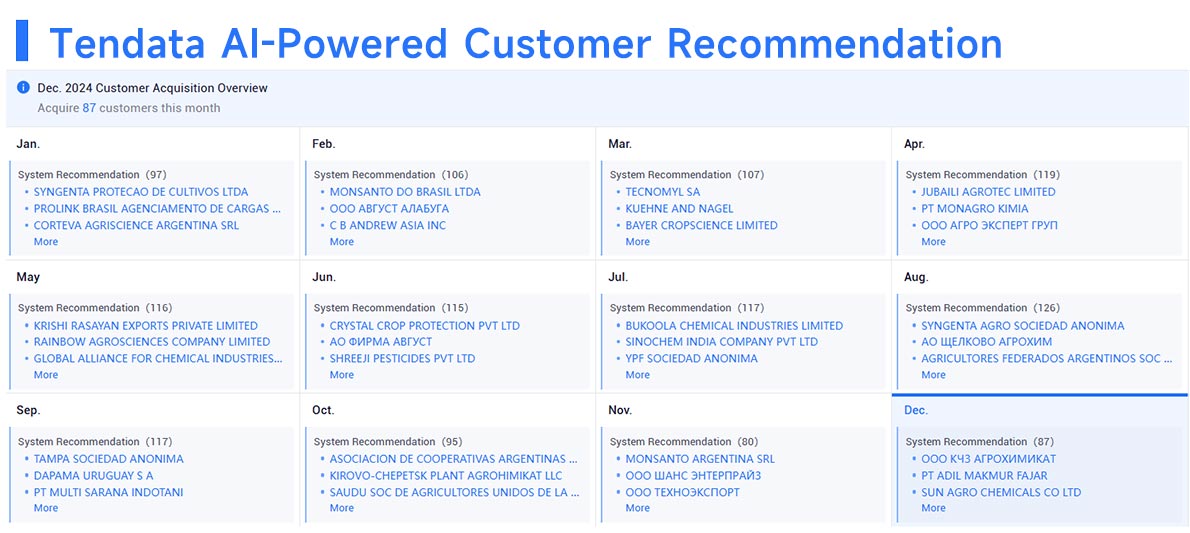
For businesses interested in using trade data effectively, platforms like Tendata can simplify the process. By providing access to global import–export records, buyer information, and potential contact details, Tendata helps exporters quickly identify high-potential prospects instead of searching blindly.
Many companies find that using tools like Tendata reduces the need for heavy platform spending or frequent overseas exhibitions while still maintaining a steady pipeline of qualified leads.
Final Thoughts
Finding overseas customers has never been limited to a single channel. While platforms and exhibitions remain valuable, exporters who diversify their approach — especially through proactive trade data analysis — often achieve more stable and cost-effective growth.
Foreign trade success is not just about receiving more inquiries; it's about reaching the right customers. By expanding your development channels and embracing data-driven strategies, you can build a stronger, more independent pipeline of international buyers and position your business for long-term success.
Category
Leave Message for Demo Request or Questions