 Tendata AI
  Exhibition
 B2B Platforms
 Standalone Website
 Social Media
 Emails
 Trade Data Provider
 2026-02-14
If you work in foreign trade, you've probably experienced this before: sending hundreds of development emails every day — and receiving almost no replies. After the 100th “seen but ignored” message, it's easy to start wondering whether your internet connection is broken… or whether email outreach even works anymore.
But in most cases, low response rates don't come from bad luck. The real problem is much simpler: your email content and your recipient's actual role don't match.
Let's break down why this happens — and how to fix it.
The Real Reason Your Emails Go Unanswered
Many exporters assume that writing better email copy will automatically improve results. But even the best-written email can fail if it lands in the wrong inbox.
Think about this:
· What if your email is sent to a company's receptionist or admin staff?
· What if you're emailing a generic address like [email protected] that nobody checks regularly?
· What if your message is intended for a buyer, but it reaches customer service instead?
In these situations, your email might be read — but it's unlikely to reach the person who actually makes purchasing decisions. That's why you see so many emails marked “read” without any reply.
Today, relying only on public or generic company emails is no longer enough. Effective outreach requires accurate contact information and clear knowledge of each person's role within the organization.
Why Job Titles and Roles Matter More Than Ever
When you understand who you're contacting, you can tailor your message to match their priorities.
For example:
· If the recipient is a CEO:
Focus on strategic value. Show how your product solves existing business challenges, reduces risks, or creates new opportunities.
· If the recipient is a procurement manager:
Highlight practical benefits — product performance, competitive pricing, supply stability, and after-sales service.
· If the recipient is an operations manager:
Emphasize efficiency improvements, product reliability, and real-world application scenarios.
Without role-specific targeting, your email feels generic — and generic emails are the easiest ones to ignore.
The Problem With Mass Emailing
Many exporters fall into the trap of sending bulk emails to huge contact lists scraped from the internet. While this approach seems efficient, it often leads to: Extremely low response rates,Damaged sender reputation,Wasted time following up on unqualified leads
Precision matters more than volume. A smaller number of well-targeted emails sent to the right decision-makers can outperform thousands of random messages.
How Better Data Improves Email Targeting
This is where data-driven platforms like Tendata can make a difference. Instead of relying on generic contact information, exporters can search for target companies and access detailed organizational data, including:
· Decision-makers' names and job titles
· Verified email addresses
· Social media profiles
· Department-level contacts
With accurate role information, you can reduce ineffective outreach and craft emails that directly address the recipient's specific responsibilities and challenges.
>>Get A Free Demo<<
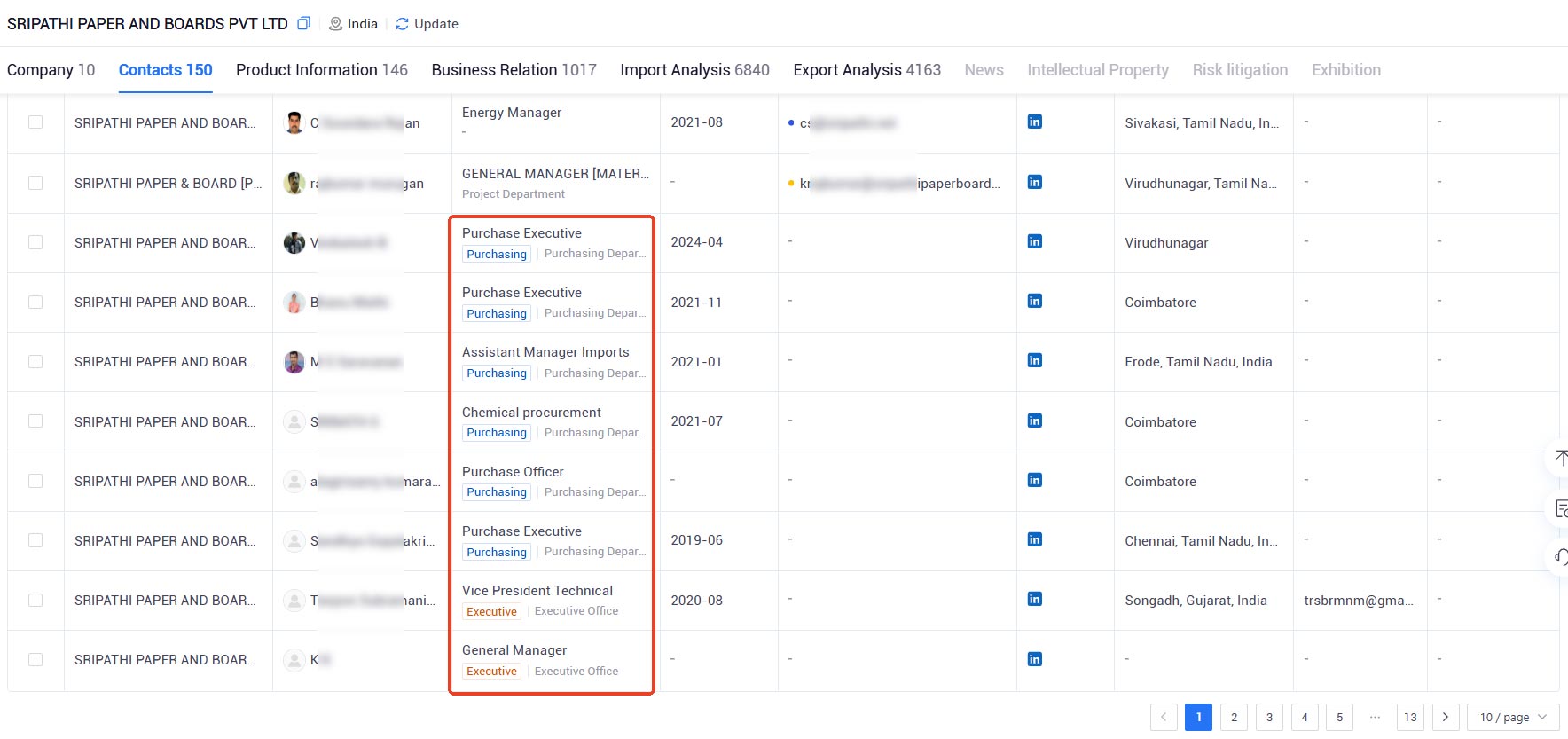
For example:
· Emails to executives can focus on market opportunities and strategic growth
· Messages to procurement leaders can emphasize product advantages and cost efficiency
· Outreach to technical staff can highlight specifications and performance data
· This level of personalization significantly increases the chances of receiving a reply.
Speed Matters in Competitive Markets
In foreign trade, timing is everything. When you identify a potential buyer, your competitors are probably searching for the same opportunity. The faster you locate the right contacts and send targeted messages, the higher your chances of building relationships before others do.
Having quick access to company structures and key decision-makers allows exporters to move faster — and communicate more precisely — than competitors who rely on outdated contact lists.
Conclusion
Low response rates rarely mean email marketing doesn't work. More often, they reveal a mismatch between your message and your recipient.
If your outreach consistently gets ignored, ask yourself:
· Am I emailing the right person?
· Do I know their role and priorities?
· Is my message tailored to their specific needs?
Once you focus on accurate contact targeting and personalized messaging, your cold emails stop feeling like random shots in the dark — and start becoming meaningful conversations with real buyers.
And when your emails finally start getting replies, you'll realize that the problem was never the number of emails you sent… it was simply sending them to the wrong people.
Category
Leave Message for Demo Request or Questions