 Tendata AI
  Exhibition
 B2B Platforms
 Standalone Website
 Social Media
 Emails
 Trade Data Provider
 2026-02-14
“Foreign trade is becoming harder and harder.”
You've probably heard this phrase countless times — and maybe even said it yourself. Rising competition, shrinking margins, and more demanding buyers have made exporters feel like success is slipping further away.
But here's the truth: global demand hasn't disappeared, and neither have overseas customers. What has changed is the threshold for making money. The era of easy profits built on information gaps and high-volume, low-effort deals is over. Foreign trade is returning to what it has always been at its core — a long-term business that rewards patience, expertise, and strong fundamentals.
And for companies willing to adapt, this “difficulty” can actually be an advantage.
The New Reality: Data-Driven Markets and Smarter Buyers
Today's overseas buyers have more access to information than ever. They can compare suppliers globally, analyze price trends, and evaluate risks before contacting a single vendor. This means exporters must move beyond guesswork and adopt more structured strategies.
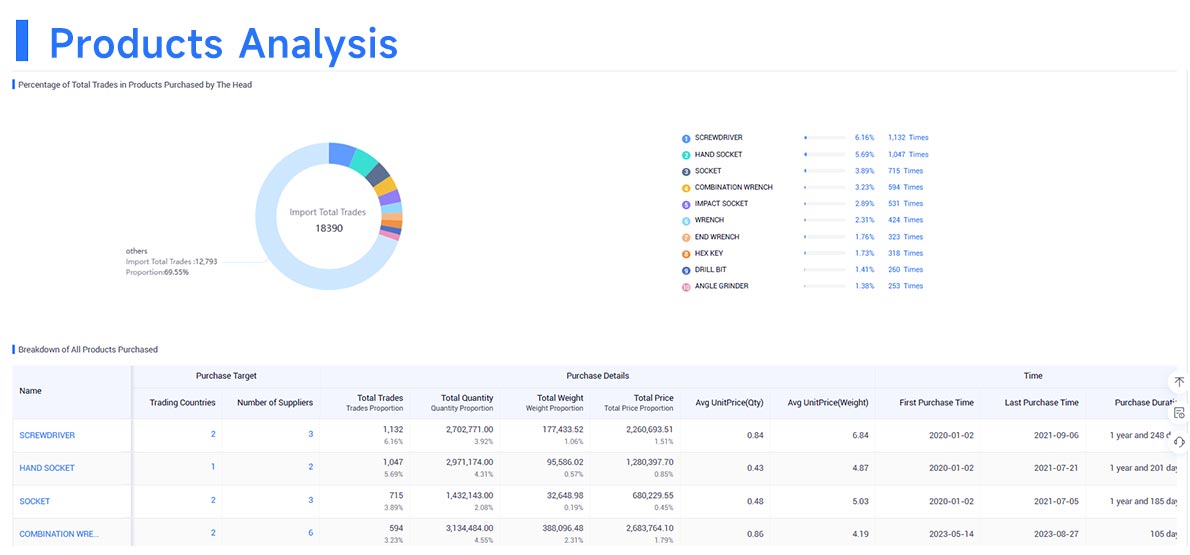
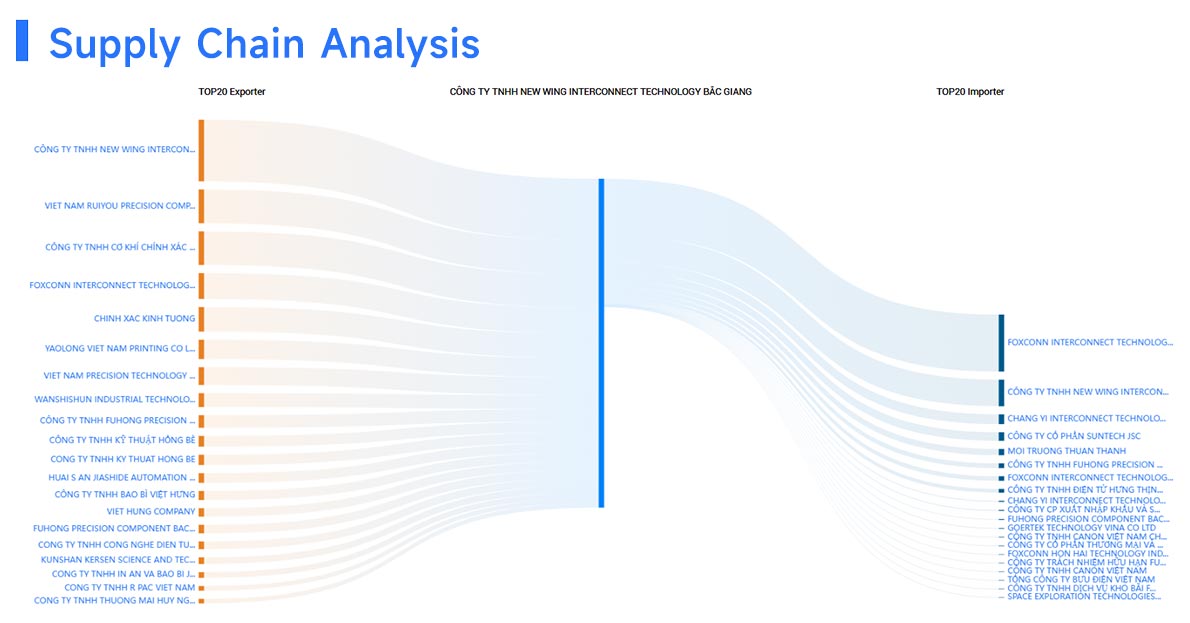
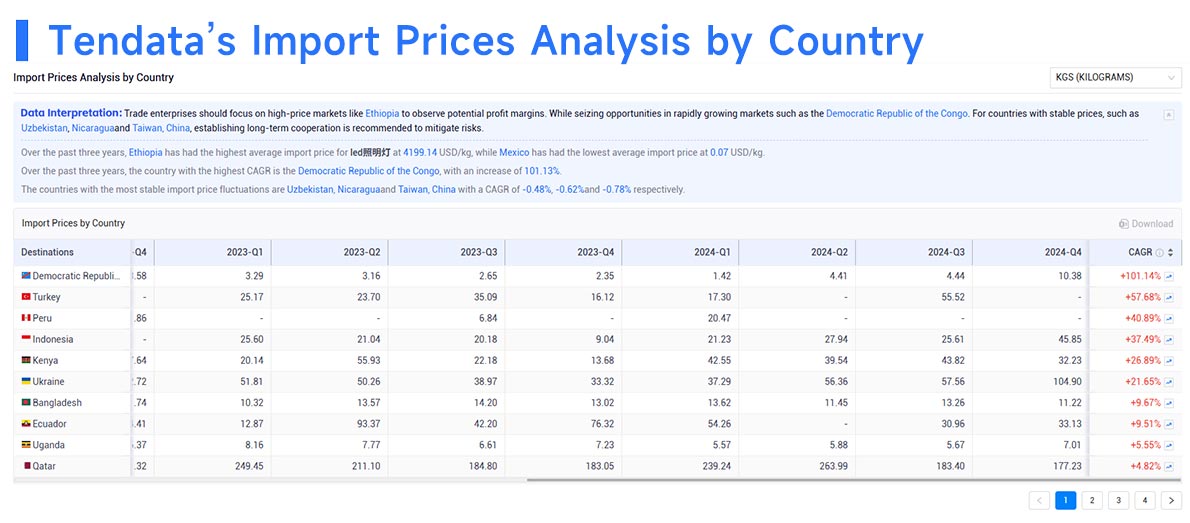
Customs data has become one of the most powerful tools for understanding real market behavior. Instead of relying on assumptions, exporters can now identify:
· Who is actually importing specific products
· How frequently companies purchase
· Which countries dominate supply chains
· Real transaction price trends and volume changes
Platforms like Tendata help companies turn raw customs data into actionable intelligence — enabling businesses to analyze target markets, monitor buyers' purchasing patterns, and prioritize leads with real buying power. In a market where competition is fierce, accurate data is no longer optional; it's a survival skill.
>>Get A Free Demo<<
Is Your Value Clear — Or Just Vague?
When an overseas buyer asks, “Why should we choose you?” how do you answer?
If your response is limited to “lower price” or “good quality,” you risk entering an endless price war. Buyers today are not unwilling to cooperate — they simply refuse to pay for vague promises. They want clear, measurable value.
Consider a hardware exporter that once relied on generic claims like “fast delivery” and “reliable quality.” After analyzing customer pain points, they discovered that many clients struggled with excessive inventory costs. Instead of lowering prices, they introduced a small-batch, just-in-time supply model that improved customers' inventory turnover rates. Even though their products were priced higher than competitors, buyers saw clear financial benefits — and orders increased.
Data insights from customs records and buyer purchasing behavior can help exporters identify these real pain points and design solutions that go beyond pricing.
Are You Winning Orders Through Luck — Or Through Systems?
One of the biggest risks in foreign trade is overreliance on a single “star salesperson.” A company might enjoy short-term success, but the business becomes unstable if key individuals leave.
Sustainable exporters build repeatable systems, especially in three areas:
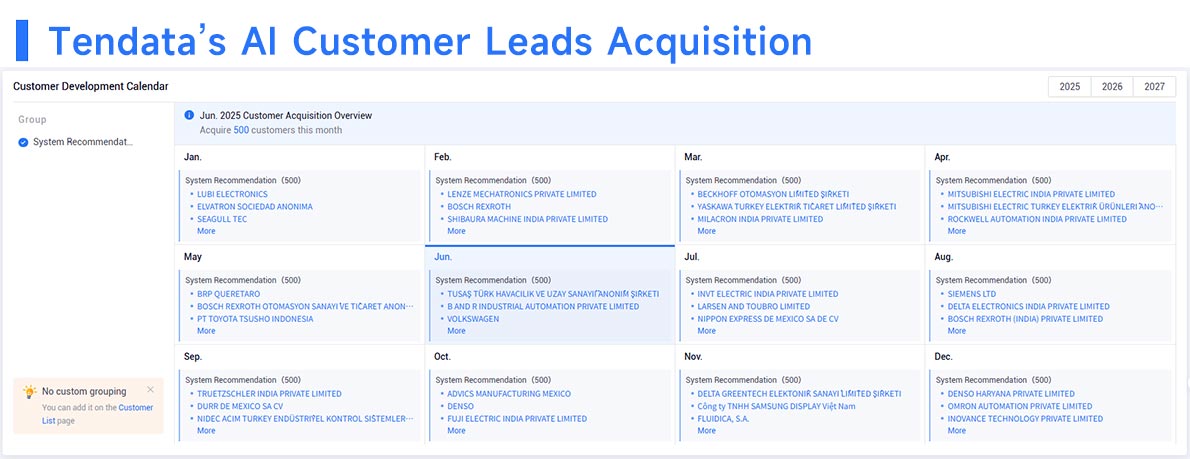
1. Customer Development:
Structured workflows for identifying and qualifying buyers — often supported by customs data analysis to focus on companies with active purchasing records.
2. Quotation Strategy:
Clear pricing models that combine cost analysis with value positioning, rather than reactive price-cutting.
3. Follow-Up Processes:
Defined communication schedules based on the buyer's stage in the decision process.
When companies integrate data-driven tools into these systems, they reduce dependence on individual experience and create scalable growth models.
Back to Fundamentals: The Real Competitive Advantage
Interestingly, many of the most successful exporters today are slowing down — not chasing every new platform or marketing trend. Instead, they are focusing on core fundamentals:
· Optimizing customer structures and targeting profitable segments
· Refining product lines based on actual demand trends
· Improving team efficiency and collaboration
· Deepening relationships with long-term partners
This “return to basics” reflects the true nature of B2B foreign trade: it's not a traffic game, but a trust-based exchange of value.
Customs data platforms such as Tendata help support this shift by providing long-term market insights, allowing companies to monitor industry changes and maintain a strategic perspective rather than reacting impulsively to short-term fluctuations.
The Opportunities Haven't Disappeared — They've Evolved
The foreign trade landscape in 2026 is undoubtedly more demanding. But difficulty often signals maturity — and mature markets reward professionalism, preparation, and consistency.
Companies that succeed today are those that:
· Clearly articulate their value
· Build systematic sales processes
· Use data to guide decisions
· Invest in long-term customer relationships
While many businesses continue searching for shortcuts, the real winners are strengthening their fundamentals.
Foreign trade may feel tougher than ever — but for companies willing to evolve, the opportunities are still there. They just look different now.
Category
Leave Message for Demo Request or Questions