 Tendata AI
  Exhibition
 B2B Platforms
 Standalone Website
 Social Media
 Emails
 Trade Data Provider
 2026-02-18
This is a question many newcomers — and even experienced exporters preparing for their next exhibition — often struggle with. Trade shows are widely seen as a powerful customer-acquisition channel in international business, yet they also come with uncertainty.
Will the exhibition actually bring real buyers?
What if the booth attracts little attention?
What if the products fail to resonate with visitors?
Why Trade Shows Feel Like “Trial and Error”
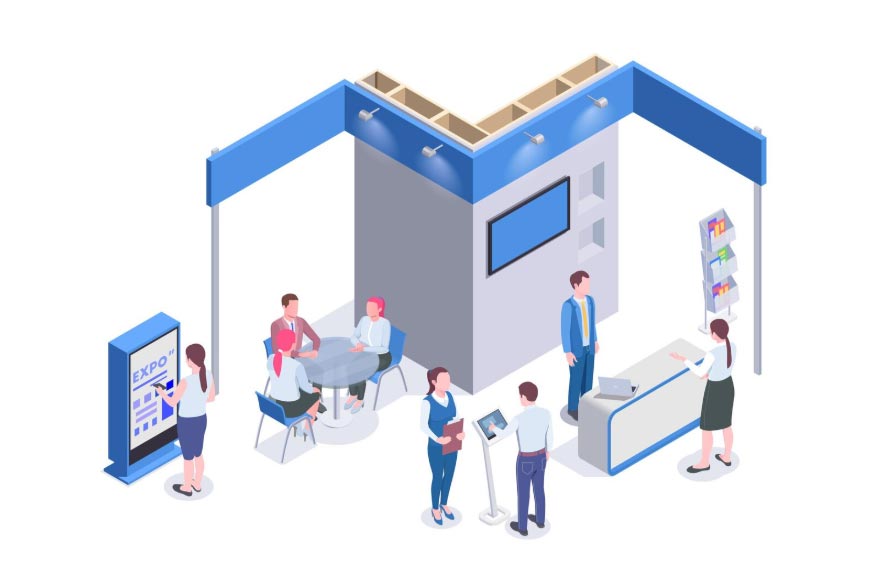
For first-time exhibitors, uncertainty is almost unavoidable. You may carefully select a professional event, invest heavily in booth design, brochures, and experienced sales staff — but no one can promise results until the show actually begins.
Reality on the ground can be unpredictable:
· Visitors may not match your target customer profile.
· Buyers might focus on products you didn’t prepare as your main offerings.
· You could collect dozens of business cards but see few immediate orders.
For many small and medium-sized exporters, the first exhibition is essentially a real-world market test — a chance to observe demand, understand competitors, and validate product positioning. That uncertainty is part of the process.
But Trade Shows Are Not Pure Guesswork
Calling exhibitions pure luck would be inaccurate. In the export industry, two clear approaches often appear:
· The “scattershot” strategy: attending many exhibitions without clear positioning, burning budget with minimal return.
· The “focused” strategy: selecting one or two highly relevant exhibitions and concentrating resources — often resulting in strong annual sales and long-term clients.
The difference lies in preparation and strategy. Successful exhibitors define clearly:
· Who their target customers are — and whether the exhibition audience matches.
· Which products meet real market demand.
· How they will present value and follow up after the event.
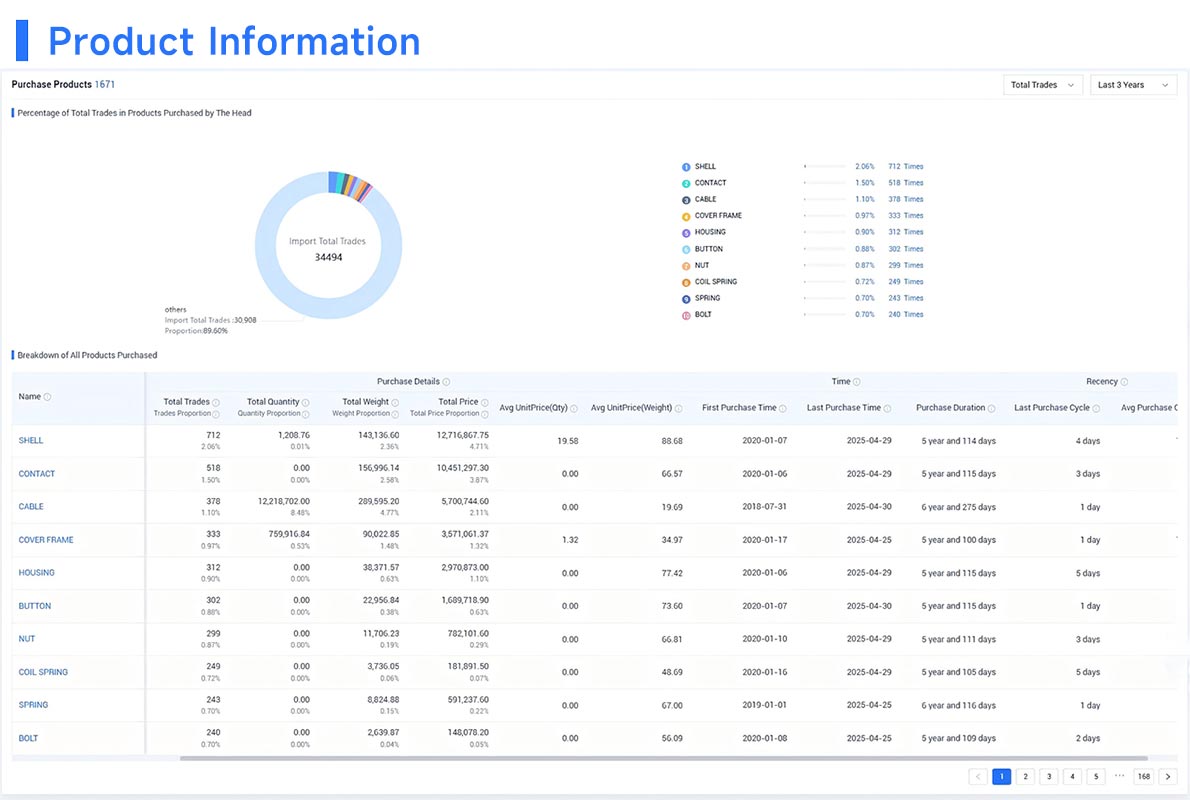
This is also where tools like Tendata come into play. Many exporters now analyze historical trade data and buyer purchasing behavior through Tendata before committing to a show. By identifying active importers, key markets, and real procurement patterns in advance, companies can attend exhibitions with clearer goals instead of relying on guesswork.
What Should You Actually Be Testing at a Trade Show?
Instead of viewing exhibitions as random attempts, treat them as focused validation opportunities:
1. Product Positioning
Are visitors genuinely interested in your main products?
Do they request quotations or discuss specific requirements?
2. Customer Profile Alignment
Are you attracting the markets you expect?
Trade data tools like Tendata can help compare on-site visitor profiles with real purchasing trends, allowing you to adjust your exhibition strategy.
3. Sales Communication and On-Site Skills
Are you presenting strong value with samples, data, and case studies — or only competing on price?
Exhibitions quickly reveal strengths and gaps in your sales approach.
How to Reduce Trial-and-Error Risks Before the Show
A high-quality exhibition should be treated as a full marketing cycle:
· Study previous visitor data and industry participation trends.
· Use trade intelligence platforms such as Tendata to research real buyers and identify what products they are actively importing.
· Design booth displays that attract attention within seconds.
· Prepare targeted materials visitors can review later.
· Set up structured follow-up systems and send personalized emails referencing on-site conversations.
Companies that combine exhibition strategy with data analysis significantly improve lead quality and conversion rates.
Growth Mindset: Trial and Error Is Actually Iteration
In the first few years, expecting instant success is unrealistic — and completely normal. Early exhibitions provide valuable feedback that helps refine product positioning and market focus.
As companies gain experience, exhibitions become structured experiments:
· Comparing established shows with emerging industry events.
· Testing new products alongside best-sellers.
· Using lead quality and ROI data — often supported by tools like Tendata — to refine future participation decisions.
Final Thoughts
Trade shows are indeed a form of trial and error — but they are structured, strategic experiments, not blind gambles. Each exhibition tests market demand, customer targeting, and sales capability in a concentrated environment.
With thoughtful preparation, data-driven planning, and consistent follow-up, the money invested today builds tomorrow’s customer base and long-term partnerships.
For newcomers, consider attending industry exhibitions as a visitor first or researching similar exhibitors and buyer data beforehand. When supported by tools like Tendata and a clear strategy, exhibitions become less about luck — and more about precision learning that gets better with every event.
Category
Leave Message for Demo Request or Questions