
 Tendata AI
  Exhibition
 B2B Platforms
 Standalone Website
 Social Media
 Emails
 Trade Data Provider
 2026-03-06
When companies decide to enter international trade, one of the most critical steps is export market research. In other words, selecting the right target market can determine whether a product succeeds or fails overseas. Today, instead of relying only on experience or market rumors, businesses can use big data and trade intelligence to make smarter decisions.
Start with the Product and Its HS Code
After confirming the product you want to export, the next step is to research which countries have the strongest demand for that product.
A practical starting point is identifying the product's HS Code (Harmonized System Code). The HS code acts as a global identification number for goods, used by customs authorities in more than 200 countries. Each product category has its own unique HS code, making it easier to track international trade flows.
Once the correct HS code is identified, exporters can analyze trade data to understand the real market situation.
Use Import Export Data to Analyze Market Demand
With the HS code in hand, businesses can access trade intelligence platforms such as Tendata to analyze import and export activity.
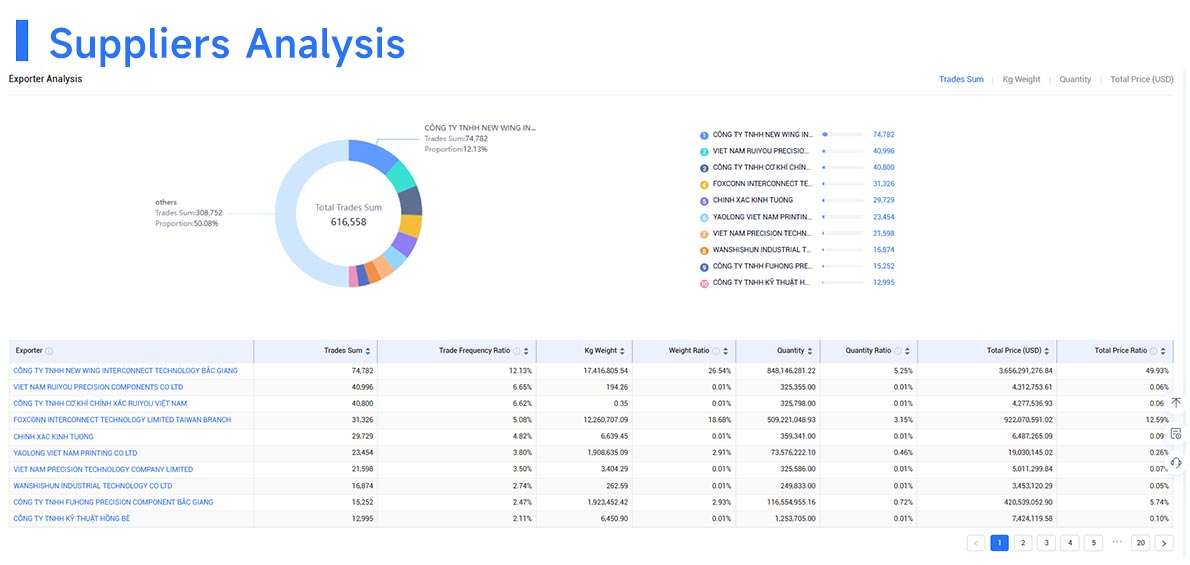
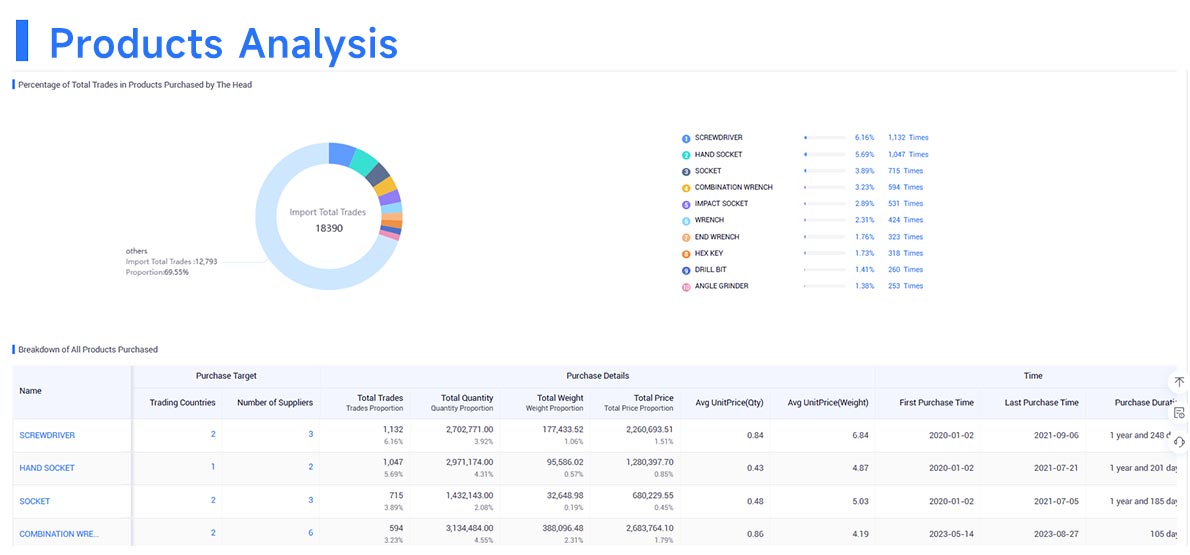
By searching the HS code on Tendata's Import Export Data platform, companies can quickly review trade records from the past six months or one year, including:
· Which companies export the product the most
· Which countries are the main export destinations
· Which countries import the largest volumes
· Average transaction values per shipment
· Trading frequency and market activity
Import Export Data helps exporters clearly understand where the strongest demand exists and which markets have the most active buyers.
Instead of guessing which country might be profitable, businesses can rely on real import export Data to identify the most promising markets.
Combine Data Insights with B2B Market Research
Trade data reveals where products are moving globally, but it’s also important to understand what customers actually want.
This is where B2B platforms become useful. By browsing B2B marketplaces, exporters can examine:
· Product listings with images and descriptions
· Customer requirements and specifications
· Differences between competing products
· Market trends and demand patterns
Because suppliers showcase products with detailed descriptions and visuals, it becomes easier to identify product differentiation opportunities and determine what problems customers want solved.
Evaluate Price Competitiveness
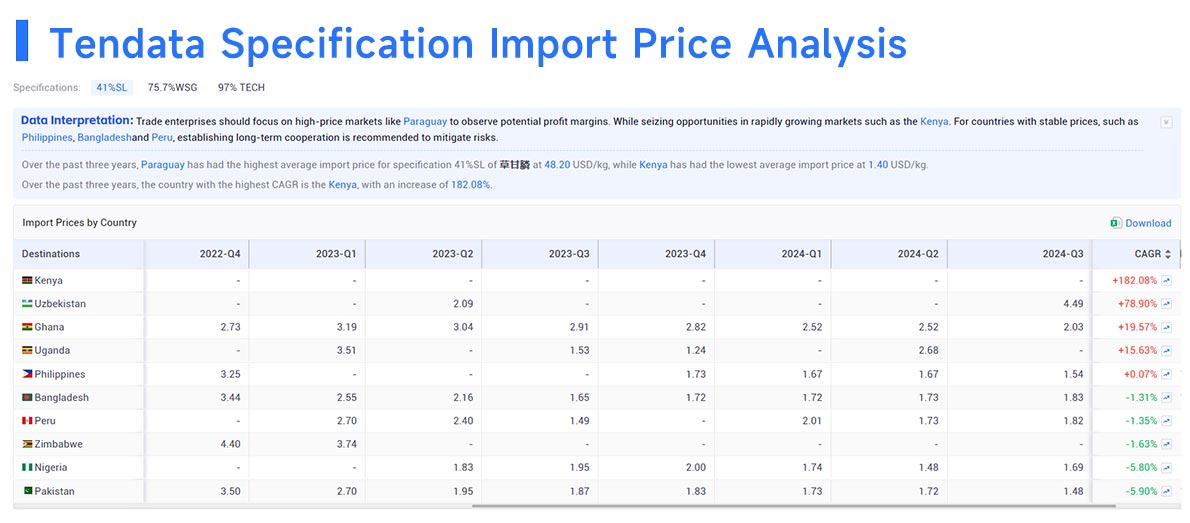
Another crucial step in export market research is price comparison. Even if demand exists, the product must remain competitive in the target market.
By combining customs data insights with pricing information from B2B platforms, exporters can determine:
· Whether their product has a price advantage
· Whether product quality or features justify the price
· Whether market entry is realistic
If the price cannot compete with existing suppliers, companies may need to adjust their strategy or reconsider the market.
Data-Driven Decisions Lead to Better Export Strategies
In the past, exporters often relied on word-of-mouth advice about which countries were “good markets.” Today, global trade is far more competitive, and success requires data-driven decisions.
By combining:
· HS code research
· Customs import export data from platforms like Tendata
· B2B platform analysis
· Competitive pricing evaluation
Companies can identify the most promising export markets with greater accuracy.
In international trade, choosing the right market is often more important than simply choosing the right product. With the help of big data, exporters can reduce risks, find real demand, and build a more effective global expansion strategy.
Category
Leave Message for Demo Request or Questions