 Tendata AI
  Exhibition
 B2B Platforms
 Standalone Website
 Social Media
 Emails
 Trade Data Provider
 2026-03-10
Connecting with high-quality importers and exporters is the first major hurdle for many businesses stepping into international trade. In a global market where competition is fierce and information is fragmented, how can you overcome this challenge and link up with importers and exporters quickly, cost-effectively, and with genuine potential for long-term cooperation? Today, we will break down the most effective methods to connect with importers and exporters, analyze their pros and cons, and show you how to elevate your strategy with data-driven tools.
The methods you can use to connect with importers and exporters are as follows:

1. LinkedIn
LinkedIn has become the gold standard for B2B professionals to connect with importers and exporters around the world. Unlike broad marketplaces, LinkedIn allows you to zero in on decision-makers within these organizations, making it a powerful channel for building relationships.
· Advantages:
You can directly target procurement managers, import/export directors, and supply chain leads at importers and exporters using advanced search filters for job title, industry, and location. By optimizing your company page and sharing authoritative content—such as market reports, case studies, and product innovations—you can position your brand as a trusted partner, attracting importers and exporters to initiate contact. Engaging in niche industry groups also lets you join conversations where importers and exporters are actively discussing challenges and opportunities, creating organic opportunities to connect.
· Disadvantages:
Success on LinkedIn requires consistent effort. Building a credible profile, curating content, and personalizing outreach can be time-consuming. High-quality importers and exporters are often inundated with connection requests, so your acceptance rate can be low if your approach is generic. Additionally, it can be difficult to distinguish between genuine decision-makers and middlemen, leading to wasted effort on unproductive leads.
2. Industry Forums & Virtual Summits
Many foreign trade professionals invest significant time in industry forums and virtual summits to connect with importers and exporters. These platforms are designed to bring together like-minded professionals, making them ideal for finding partners with specific industry expertise.
· Advantages:
Forums and summits attract importers and exporters who are deeply engaged in their sector, ensuring a high degree of relevance to your business. Virtual events eliminate the need for costly international travel, allowing you to connect with importers and exporters from multiple countries in a single session. Many of these events also offer structured B2B matchmaking sessions, which can streamline the process of finding compatible partners.
· Disadvantages:
The sheer volume of participants can make it difficult to stand out and focus on key importers and exporters. Conversations are often superficial, and converting initial interactions into meaningful partnerships requires significant follow-up. Free or low-cost events, in particular, may attract a high number of non-serious participants, diluting the quality of your leads.
3. Trade Intelligence Platforms
To solve the pain points of LinkedIn and industry forums & virtual summits, trade intelligence platforms are a highly recommended tool to connect with importers and exporters! These platforms leverage real-time data to cut through the noise and deliver actionable insights, making them indispensable for modern trade strategies.
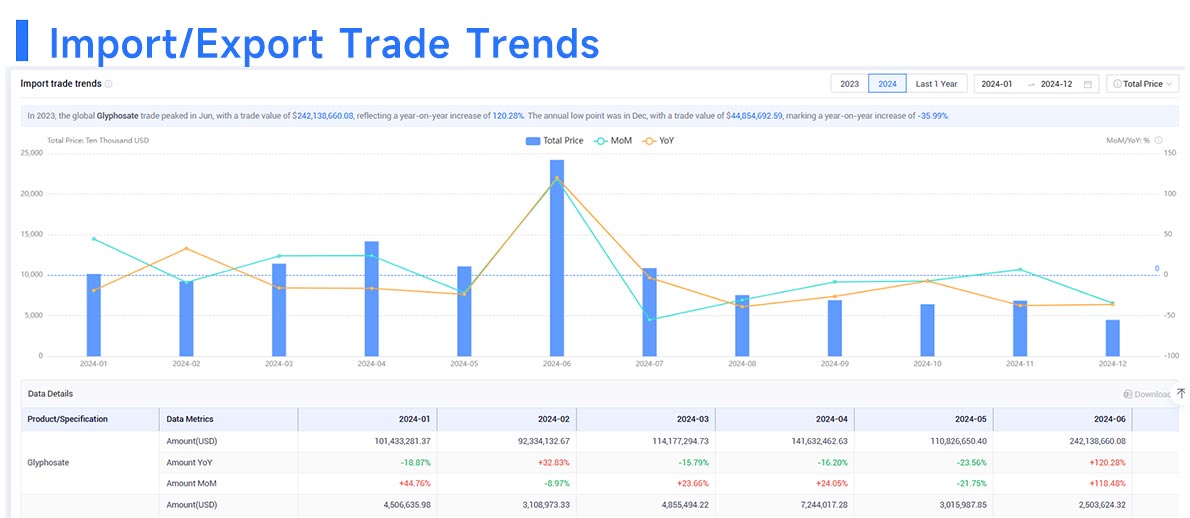
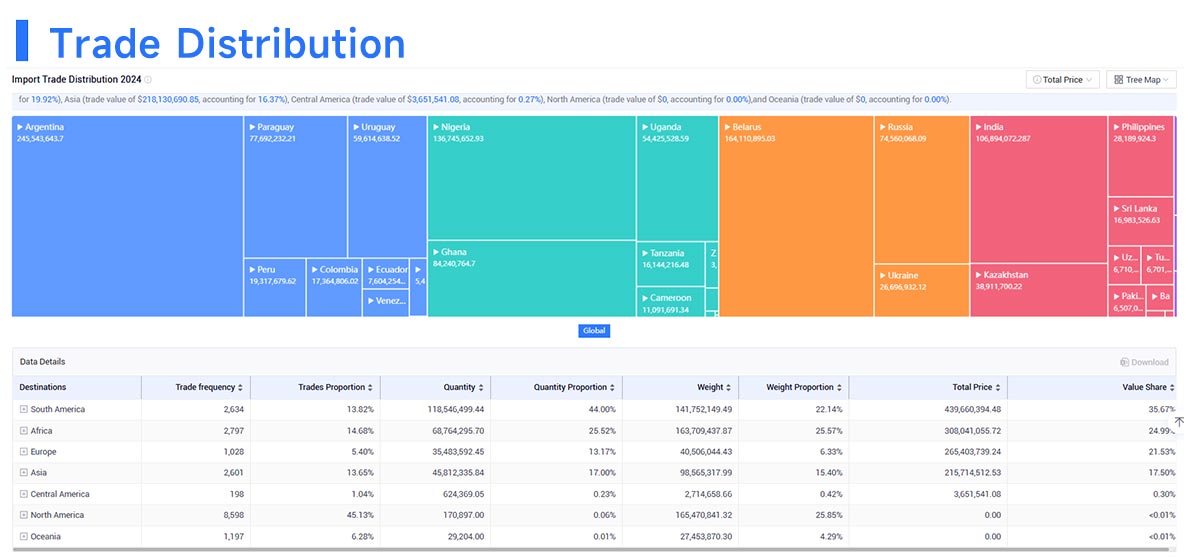
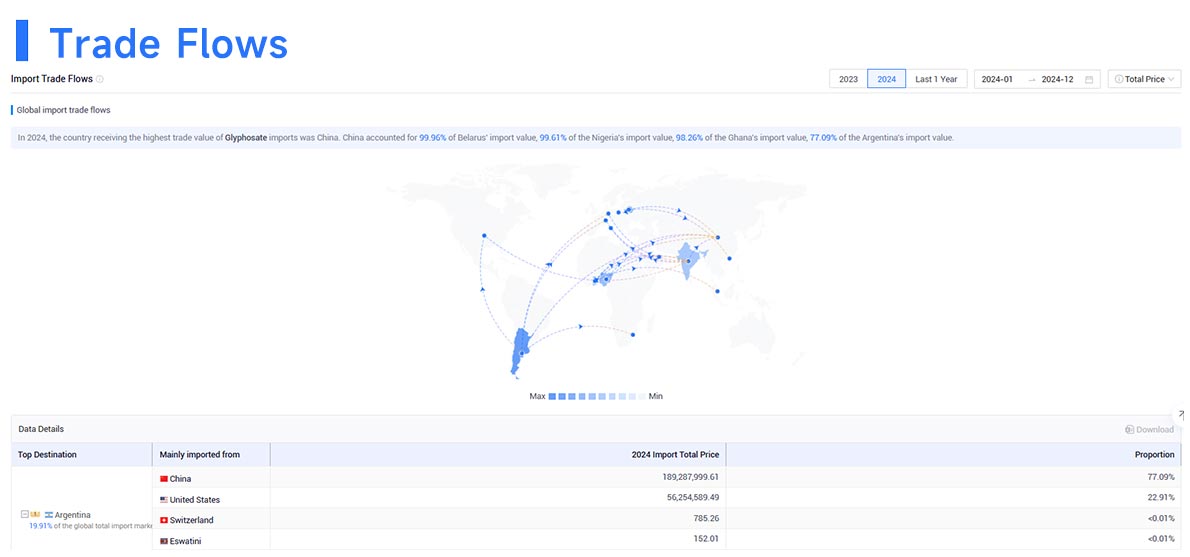
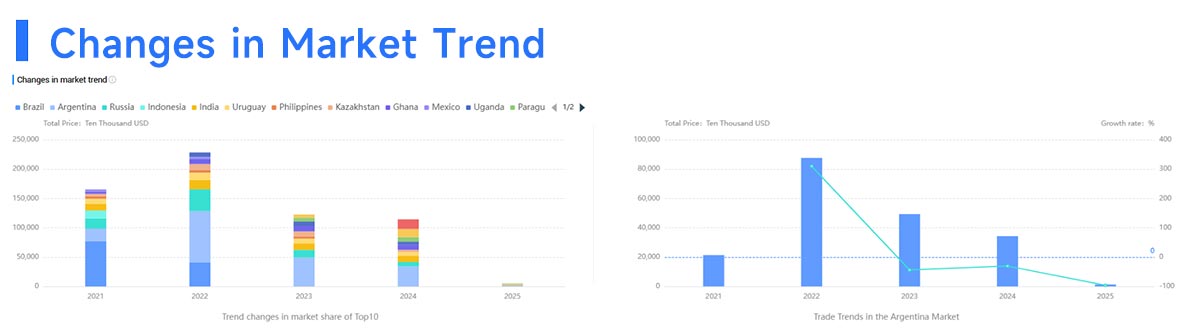
Taking Tendata global import export data platform as an example, Tendata can help you connect with importers and exporters accurately and efficiently by providing a comprehensive view of global trade activity.
The process of connecting with importers and exporters via Tendata:
(1)Precision Filtering:
Start by entering your product keywords or HS codes. Tendata’s database will instantly screen out active importers and exporters in the global market that match your product category, ensuring you only focus on relevant leads.
(2)Quality Assessment:
Use multi-dimensional filters such as transaction volume, frequency, and supplier stability to lock in high-quality importers and exporters with real, consistent procurement or supply needs. This eliminates the guesswork of identifying genuine partners.
(3)Deep Verification:
Access detailed information about importers and exporters, including enterprise qualifications, historical transaction records, and direct contact details for key decision-makers. This allows you to verify credibility and avoid risky or fraudulent partners.
(4)Strategic Outreach:
Armed with data insights, you can formulate targeted connection plans. For example, if you identify an importer who has recently switched suppliers, you can craft a message highlighting how your products can address their specific pain points, significantly improving your response rate.
Conclusion
If you want to connect with importers and exporters efficiently and accurately, using Shanghai Tendata can help you break through the limitations of traditional channels. By combining the relationship-building power of LinkedIn and industry events with the data precision of Tendata, you can create a robust strategy to connect with high-quality importers and exporters, reduce risk, and open up a broader space for sustainable international trade cooperation.
Category
Leave Message for Demo Request or Questions