 Tendata AI
  Exhibition
 B2B Platforms
 Standalone Website
 Social Media
 Emails
 Trade Data Provider
 2026-03-13
After several years working in import and export, and trying many different ways to acquire customers, I can say this clearly: global trade data is valuable, but it is not a magic tool that automatically generates orders.
Its real value appears only when it is used with the right strategy—such as combining precise customer targeting with in-depth customer research within a structured sales system.

(1)Three Practical Advantages of Global Trade Data
1. Identify Real Buyers with Actual Purchasing Demand
Many exporters still rely on mass email campaigns, which often bring low response rates. With global trade data, you can directly identify companies that have real import records in your target market.
For example, if you sell construction materials, you can filter companies in the United States that imported steel structures or scaffolding in the past six months. This means you are reaching buyers who already have purchasing needs, which is far more efficient than randomly searching on Google.
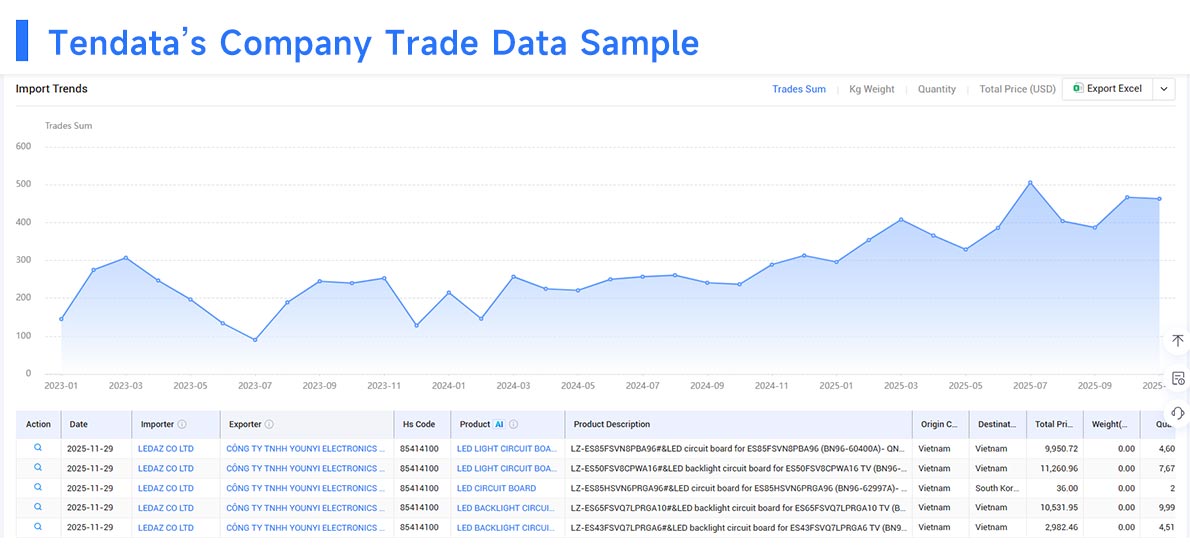
2. Understand Customers' Purchasing Patterns
Trade data also allows you to analyze key information such as:
Purchase volume, Purchasing frequency, Existing suppliers (sometimes even your competitors)
For instance, if you find that a buyer orders around 2,000 units every month and previously sourced from India, you can tailor your quotation accordingly, such as highlighting:
“Our delivery time is 7 days faster than typical Indian suppliers.”
This information also helps you estimate the buyer’s real demand and avoid setting an MOQ that might scare away smaller customers.
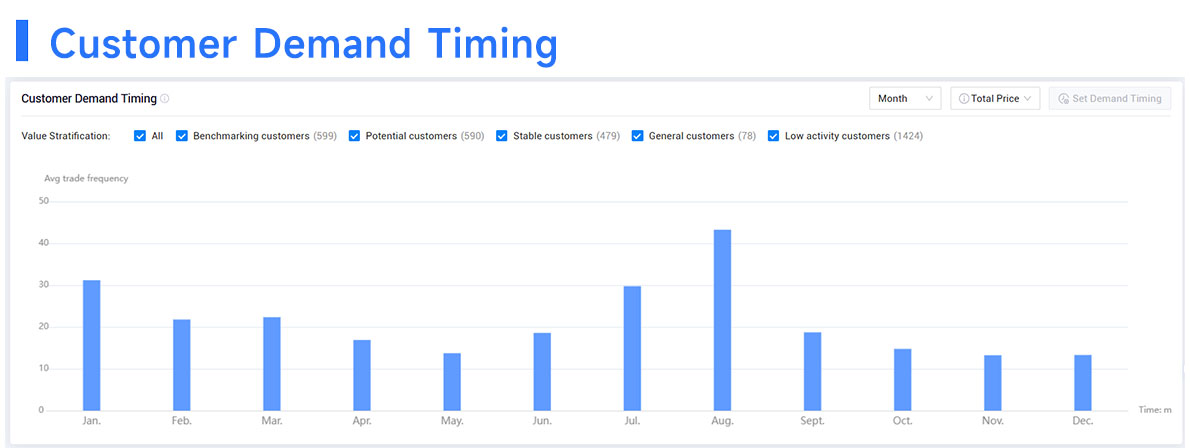
3. Discover High-Quality Clients of Your Competitors
Trade data can reveal who your competitors are supplying. These companies already have consistent import demand and are familiar with the product category.
If you identify weaknesses in their current suppliers—such as higher prices or long lead times—you can approach them with your own advantages, for example offering a more competitive price or faster delivery, which significantly increases the chances of closing a deal.
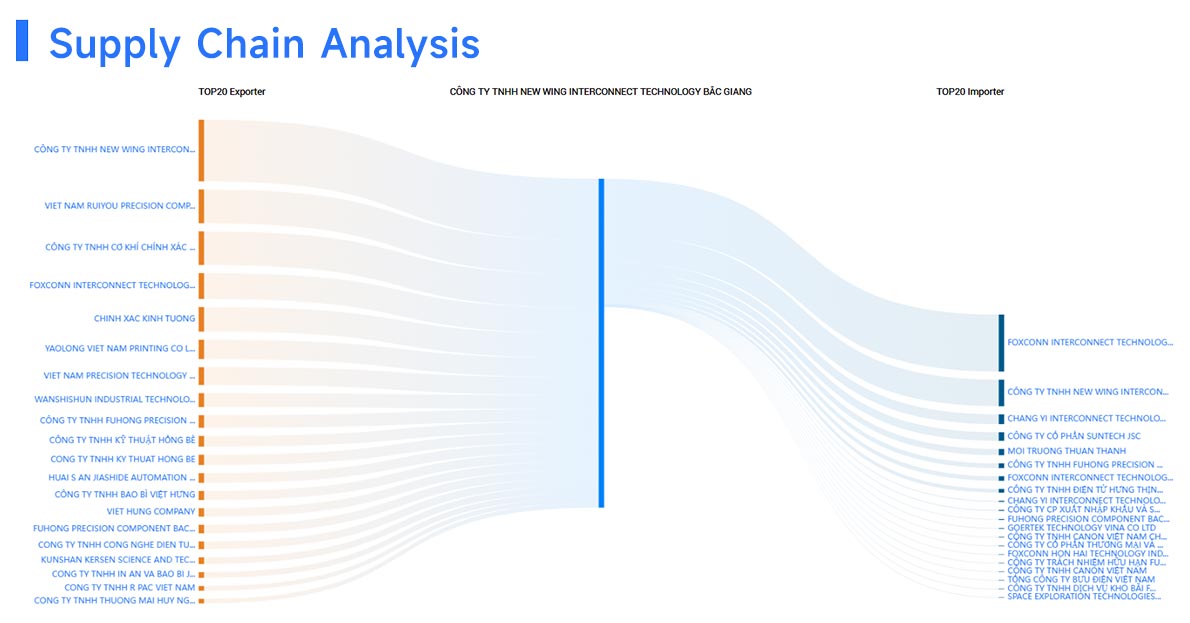
(2)Two Common Misunderstandings
1. Believing That Data Automatically Leads to Orders
Trade data can provide customer lists and purchasing insights, and sometimes even decision-maker contact details. However, this does not replace customer background research and personalized outreach.
You still need to engage buyers through targeted development emails, LinkedIn communication, and other professional channels.
2. Trying Too Many Customer Acquisition Channels at Once
Many newcomers to foreign trade try everything at the beginning—independent websites, trade data tools, B2B platforms, and offline exhibitions.
In reality, instead of spreading your efforts across many channels, it is usually more effective to focus on one or two channels and develop them deeply.
3. Practical Advice
Treat global trade data as a research and analysis tool rather than just a customer acquisition channel.
A practical workflow could be:
· Use trade data to identify potential customers
· Segment them based on purchasing volume (A-level high-value clients, B-level potential clients)
· Analyze their needs and pain points
· Reach out through personalized emails or other communication channels
Conclusion
Overall, global trade data is a powerful supporting tool for acquiring import and export customers. It helps businesses find potential buyers more efficiently and reduces blind outreach.
However, the real key to success still lies in accurate customer targeting and delivering clear value to buyers.
Category
Leave Message for Demo Request or Questions