
 Tendata AI
  Exhibition
 B2B Platforms
 Standalone Website
 Social Media
 Emails
 Trade Data Provider
 2026-03-13
In international trade, many companies struggle with two common questions:
Which markets should we focus on? and How can we reduce business risks when expanding overseas?
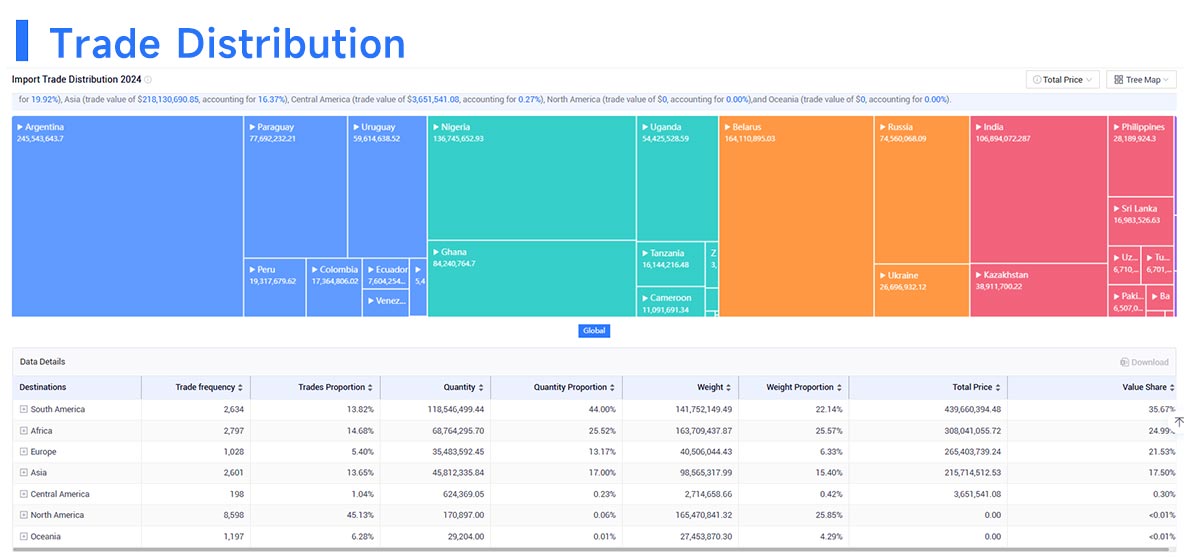
This is where global trade data becomes extremely valuable. Many data platforms now provide import and export market analysis, allowing businesses to see which countries are importing the most products from China, and which products are experiencing the fastest growth in different markets.
But what does this information actually mean for exporters? And how can it be used effectively?
Understanding Market Opportunities Through Trade Data
Global trade data allows businesses to analyze real purchasing trends in international markets. By reviewing import statistics within a certain time period, companies can identify which countries are increasing their demand for specific products.
For example, imagine you are exporting men's shoes. Through trade data analysis, you discover that imports of men’s shoes from China are growing rapidly in markets such as Egypt and Iran during the current period.
This insight immediately provides a strategic direction:
Instead of targeting every market equally, it may be much more effective to prioritize these fast-growing markets.
Focusing on markets where demand is already increasing can significantly improve the chances of securing orders.

How to Act on Market Data
Once you identify promising markets through trade data, the next step is turning those insights into action.
1. Adjust Your Products for Target Markets
Different markets have different consumer preferences. When you discover that a specific country is experiencing strong demand growth, it makes sense to slightly adjust your product offerings to better fit that market.
For instance, you might consider:
· Modifying product styles based on local fashion preferences
· Adjusting sizes or materials to match regional demand
· Updating packaging or branding to appeal to local buyers
Small product adjustments can make your offerings more competitive in those specific markets.
2. Prioritize High-Potential Markets in Your Marketing Strategy
If you operate an independent website, social media channels, or online marketing campaigns, market data can help you decide where to focus your promotional efforts.
For example, if Egypt and Iran show strong growth in men’s shoe imports, you could:
· Target these countries with digital marketing campaigns
· Create localized content or advertisements
· Focus your outreach and buyer prospecting efforts on companies in those markets
By concentrating resources on high-demand regions, businesses often find it easier to generate leads and close deals.
Using Historical Data to Identify Potential Risks
Trade data is not only useful for finding opportunities—it can also help identify potential market risks.
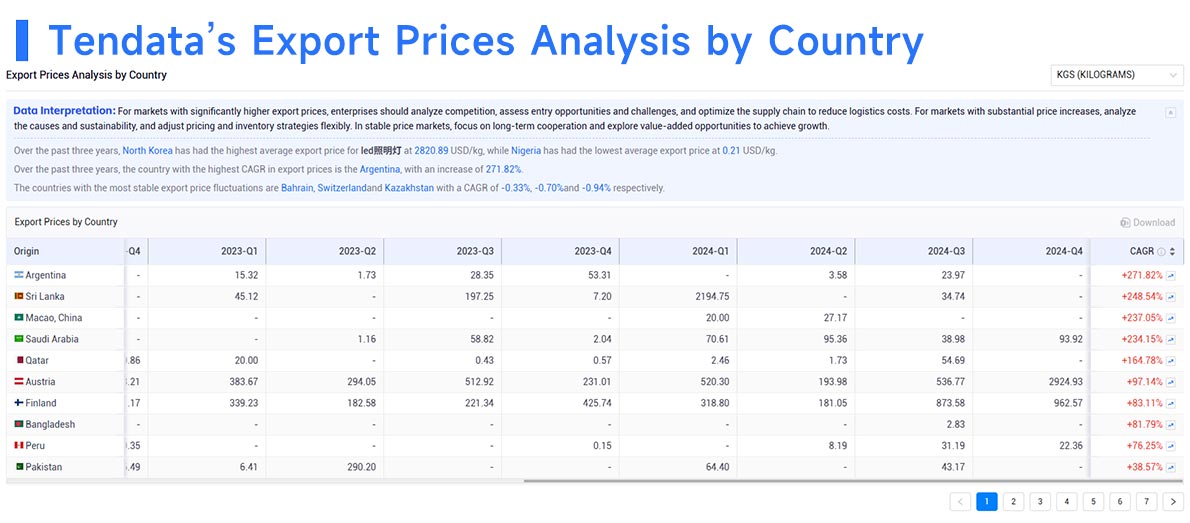
By analyzing import trends from previous years, companies may notice signals that demand could decline in certain regions.
For example, if historical data shows that imports of men's shoes in Southeast Asia have been gradually decreasing, it may indicate that demand could weaken in the coming quarter. In that case, exporters might consider adjusting their strategy, such as:
· Reducing marketing investments in that region
· Diversifying into other growing markets
· Adjusting inventory and production planning
Of course, historical data cannot predict the future with complete accuracy. However, it can still provide valuable reference points for strategic decision-making.
In some cases, trends can be highly consistent. For example, if the import pattern of the past 12 months closely follows the same trajectory as the previous 12 months, the trend may be relatively reliable. In such situations, businesses can confidently adjust their marketing or expansion strategies.
Identifying Best-Selling Products Through Trade Data
Another important insight trade data provides is product popularity.
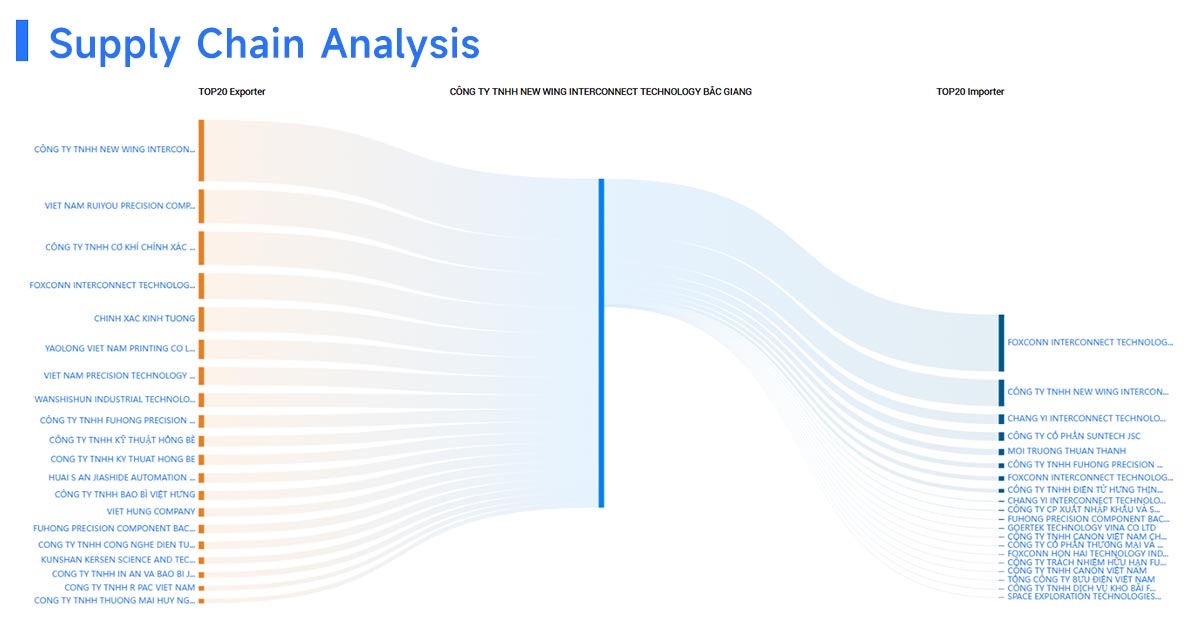
In every industry, some products become hot sellers while others experience declining demand. Instead of relying only on intuition or small market samples, global trade data allows companies to analyze large-scale import statistics to determine:
· Which product categories are growing
· Which products are losing demand
· Which markets are actively importing specific items
This information helps exporters identify which products are currently trending in the global market, allowing them to align production and marketing strategies accordingly.
Conclusion
Global trade data is a powerful tool for exporters looking to improve decision-making. By analyzing import trends and historical data, businesses can:
· Identify high-growth markets
· Adjust product strategies for specific regions
· Focus marketing efforts on promising countries
· Anticipate potential market risks
· Recognize trending products in global demand
While trade data cannot guarantee success, it provides valuable insights that help businesses make smarter and more strategic decisions in international trade.
When used correctly, it transforms guesswork into data-driven market strategy.
Category
Leave Message for Demo Request or Questions