 Tendata AI
  Exhibition
 B2B Platforms
 Standalone Website
 Social Media
 Emails
 Trade Data Provider
 2026-04-10
Having worked with international trade data for 10 years, the question I get asked most by clients is: "Where exactly does your data come from?"
When I first started, I was just as curious—I even wondered if there were some "secret channels" involved. It wasn't until I explored the operations of various data companies, and particularly after deep-diving into Tendata, that I finally understood the inner workings. The core competitiveness of a legitimate data provider isn't "stealing data"; it's the legal integration of sources, rigorous data cleaning, and the ability to transform raw numbers into actual trade value.
Today, I’m pulling back the curtain based on industry insiders' perspectives and my own hands-on experience.
1. Where Does International Trade Data Actually Come From?
First, let's clear up a major misconception: legitimate data companies never use illegal means to obtain information. International trade data is, by nature, public information, but the level of openness and the channels of release vary wildly by region.
For example, the U.S. is highly transparent. Beyond official websites, specific agencies regularly release detailed trade records, which serve as foundational sources. On the other hand, most EU countries do not disclose granular data; they often only provide macro-level import/export statistics, which only show the big picture.
Raw data is also riddled with "bugs"—duplicate records, chaotic HS code labeling, and misspelled company names. This is why user experience varies so much between providers.
Tendata has become my "must-have" tool because of its prowess in data integration and governance. After speaking with their technical consultants, I learned their sources cover 228 countries and regions. They don't just rely on official customs data; they integrate commercial data, internet data, news sentiment, intellectual property, litigation risks, and exhibition databases. Most importantly, they use proprietary technology to clean, verify, and cross-reference this information rather than just piling it up.
Example: While researching a Russian client with multiple subsidiaries, other platforms showed me fragmented records with mismatched units (Rubles vs. USD, KG vs. Tons) and untranslated Russian text.
In Tendata, all subsidiaries were consolidated under the parent company. I could see the entire group's dynamics and the specific product focus of each branch at a glance. Units were standardized, and the one-click translation and AI interpretation saved me hours of manual labor.

2. How Does Tendata AI Feel in Practice?
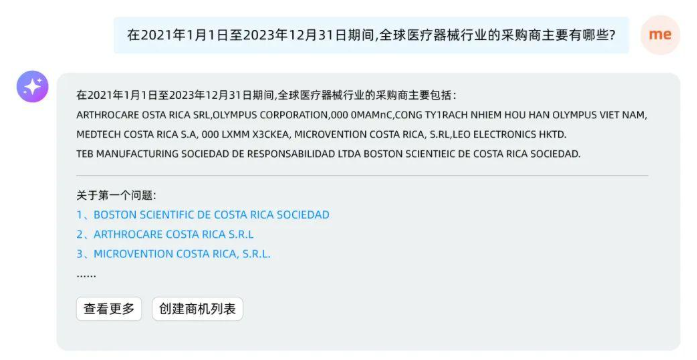
I've used AI from other companies before, but frankly, most were rigid and felt like a gimmick—manual searching was often faster.
Tendata AI is different; it feels like a hybrid of ChatGPT and professional trade data. Instead of giving a simple answer, typing a prompt generates a comprehensive analysis covering multiple dimensions.
Others Trade Data AI Tool:
Tendata AI:
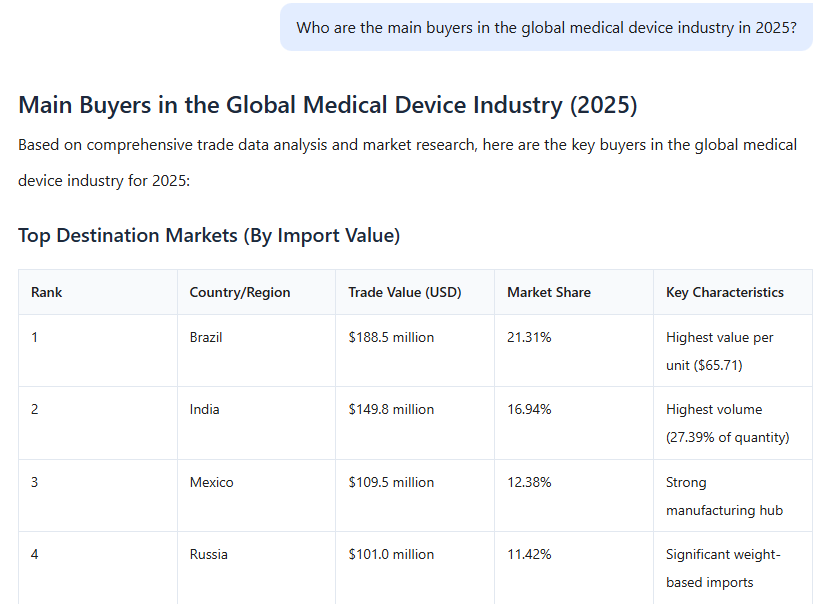
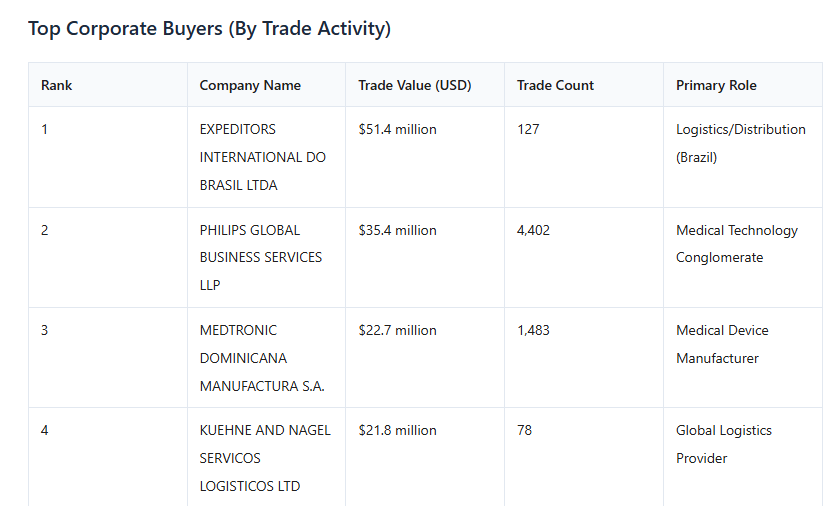
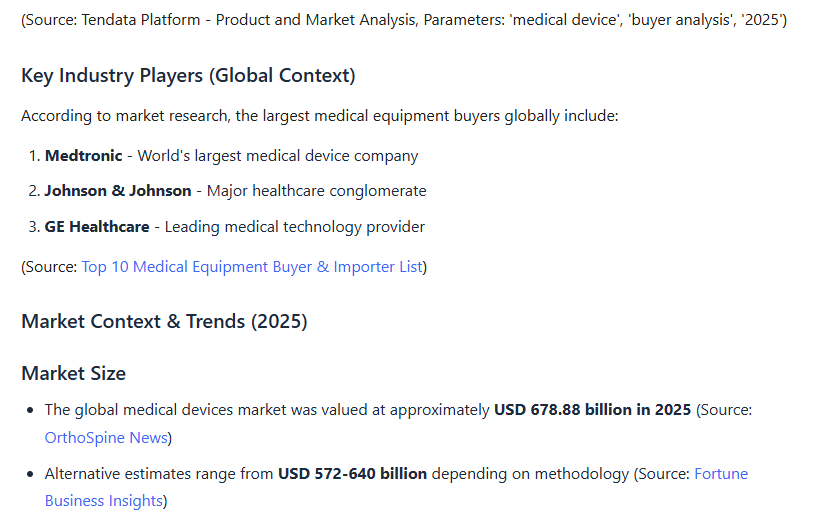
Beyond its internal database, it can crawl the external web for supplemental info. For those who use ChatGPT, Gemini, or Claude, you know the risk of "hallucinations" (AI making things up). Because Tendata AI is grounded in its massive, verified database, it doesn't "hallucinate" trade figures. It provides factual, data-driven insights, which is exactly what I need.
Conclusion
In the world of international trade, data is the new oil, but raw oil is useless without a refinery. The "secret" to high-quality trade data isn't where it's found, but how it's processed. Tools like Tendata have moved past simple data provision into the realm of intelligent decision support. Whether you are looking for new buyers, monitoring competitors, or analyzing market trends, the right platform doesn't just give you a list of names—it gives you the clarity to act.
FAQ
1. Is international trade data legal to use?
Yes. Most international trade data comes from publicly available or officially released sources. Legitimate providers ensure all data is collected and used in compliance with regulations.
2. Why do different data providers offer different results?
Because raw data contains errors and inconsistencies. The difference lies in how each provider cleans, standardizes, and structures the data.
3. Why is some countries’ trade data more detailed than others?
This depends on national policies. Countries like the U.S. are highly transparent, while many European countries limit data disclosure to aggregated statistics.
4. Which countries have open customs data?
· North America: United States, Mexico, Canada, Costa Rica, Dominican Republic, Panama
· South America: Brazil, Argentina, Chile, Colombia, Peru, Ecuador, Uruguay, Paraguay, Bolivia, Venezuela, Guyana
· Europe: Russia, Ukraine, United Kingdom, Moldova, Spain
· Asia: India, Vietnam, Philippines, Indonesia, Thailand, South Korea, Pakistan, Bangladesh, Sri Lanka, Kazakhstan, Uzbekistan, Kyrgyzstan
· Africa: Nigeria, South Africa, Kenya, Ghana, Ethiopia, Tanzania, Cameroon, Uganda, Botswana, Ivory Coast, Liberia, Chad, Central African Republic, Burundi, Benin, Togo
· Oceania: Australia, New Zealand
Category
Leave Message for Demo Request or Questions