
 Tendata AI
  Exhibition
 B2B Platforms
 Standalone Website
 Social Media
 Emails
 Trade Data Provider
 2026-06-04
Doing import and export—especially when you want to proactively develop customers—everyone knows that trade data is a powerful tool. However, “having access to data” and “having access to real, detailed, and usable data” are two completely different things. The setbacks I've experienced and the time I've wasted on this are honestly painful to recall. Today, I want to talk about this topic and share my experience, especially how I eventually found a relatively reliable solution.
In the early days, like many others in the industry, I searched everywhere for free or low-cost sources of customer lists. You can find some websites online that provide vague company lists for certain products. But these data sources have major problems.
First, they are seriously outdated—the data you see might be from a year ago or even older, and the market has already changed.
Second, the information is incomplete—often there's only a company name, without detailed product descriptions, specifications, pricing, or key contact information.
Third, authenticity is questionable—many datasets are unfiltered and mixed with a large number of freight forwarders and logistics companies, making it very difficult to identify the actual end buyers.
I once spent a whole week researching and contacting over a dozen “buyers” based on an outdated dataset, only to find that half were logistics companies, and the rest had either shut down or no longer dealt with that product. The frustration was overwhelming.
Later, I realized that trying to strike gold from free directories is extremely difficult. It often takes days or even months just to filter out a single suitable company. How can you possibly improve performance under those conditions?
In the end, I decided to invest in a reliable paid data service provider. After several rounds of trials and comparisons, I settled on Tendata. Let me share my actual experience using it.
1. the data must be updated quickly
Some trade data platforms claim to cover many countries, but in reality, their data for those countries is several years old and no longer updated. In that case, such data is no different from free directories. In actual use, I found Tendata's data updates relatively fast, typically up to the previous month or even the current month. For someone like me who needs to find active importers and exporters, this is very effective.
>>Get the latest trade data from Tendata<<
2. there must be in-depth analysis
If I'm paying for a data platform, I obviously need more than just a list of customers—customer analysis is crucial. I need to know a company's purchasing trends, the prices they pay, who their suppliers are, whether our competitors are among them, and what other products they purchase besides ours. It would be even better if the platform could generate outreach emails based on these insights. Tendata meets all these needs.
>>Learn about Tendata's data analysis capabilities<<
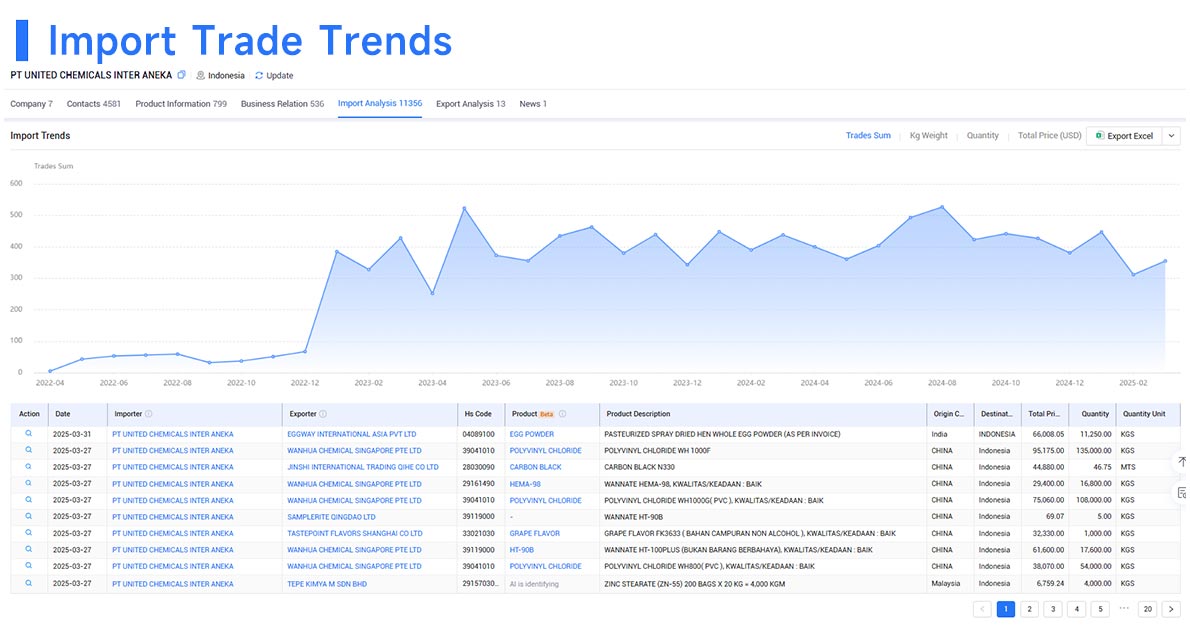
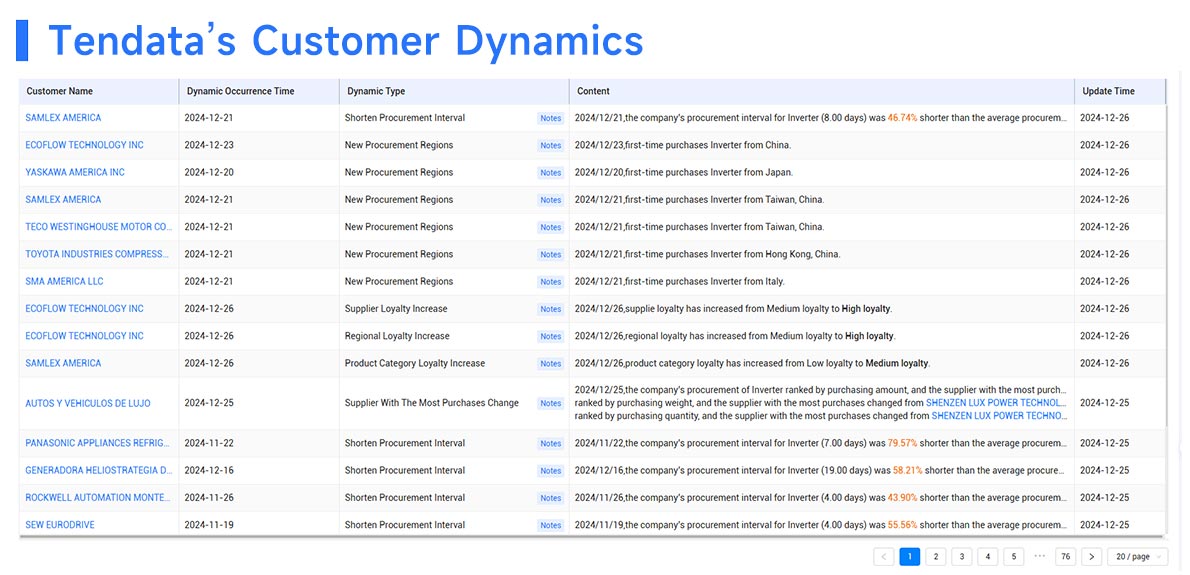
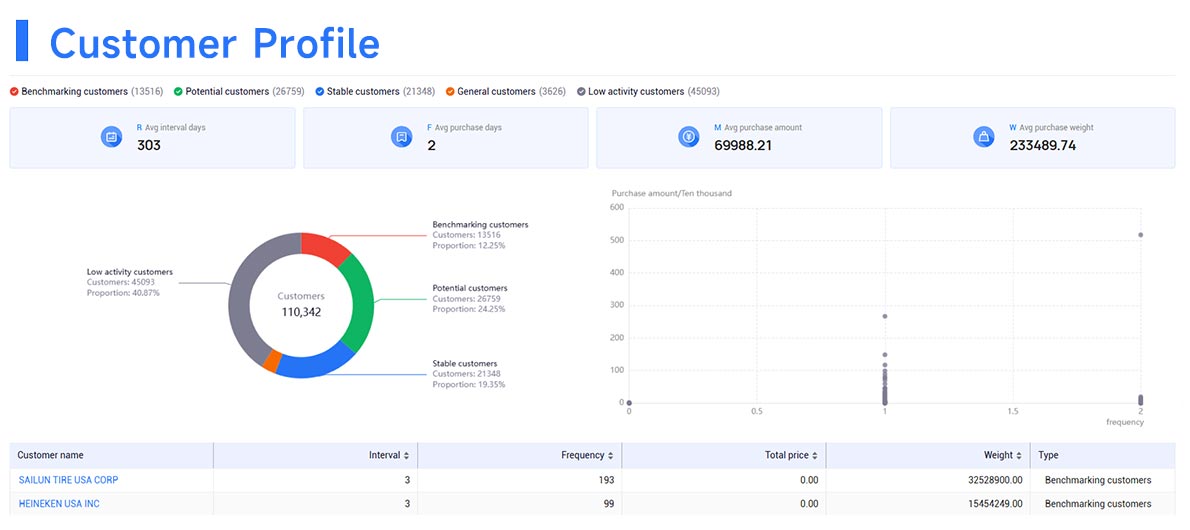
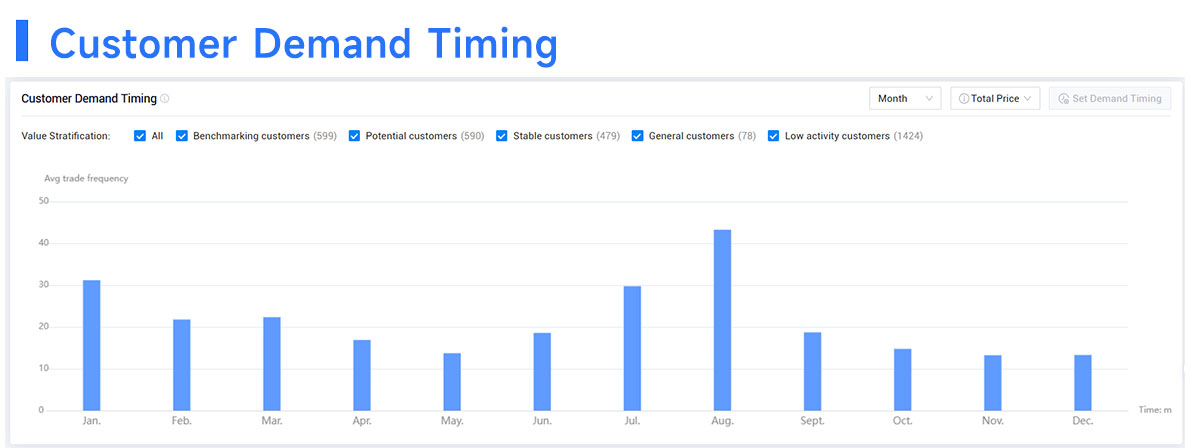
Market analysis is also important. Tendata provides a large number of visual charts and can generate customized reports based on product names. This helps me understand the overall market situation, import and export trends, price fluctuations, and what other products customers are interested in. I can quickly assess a market's potential and competitive landscape from a macro perspective and decide where to invest my efforts.
3. it must significantly improve my efficiency in customer development
The whole point of paying for a trade data platform instead of using free directories is to save time and increase efficiency. In this regard, Tendata's AI can automatically recommend suitable potential customers based on timing and demand, generate personalized outreach emails based on clients' trade records, and track email open rates. A series of customer development processes are automated—this is the level of efficiency we should expect in the AI era.
>>Learn about other features of Tendata AI<<
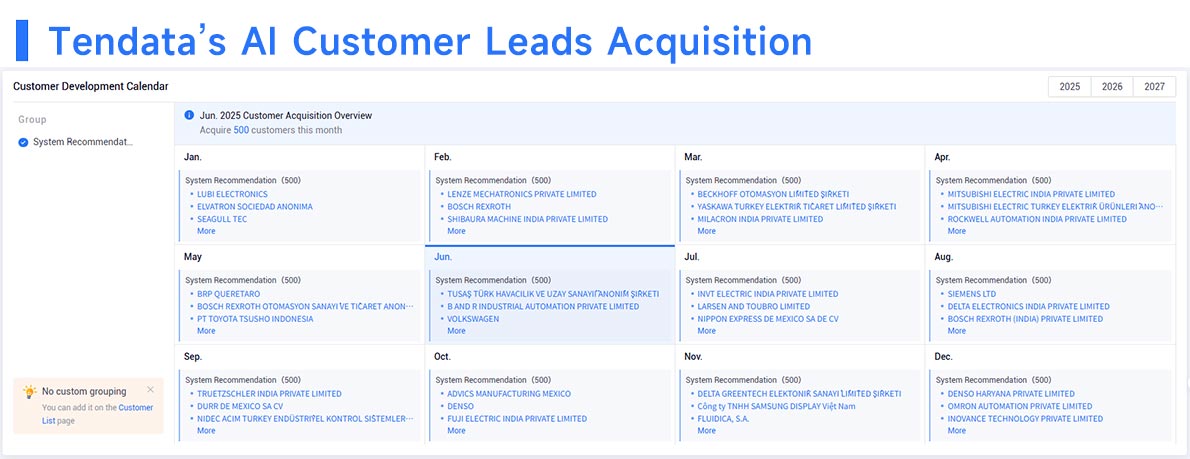
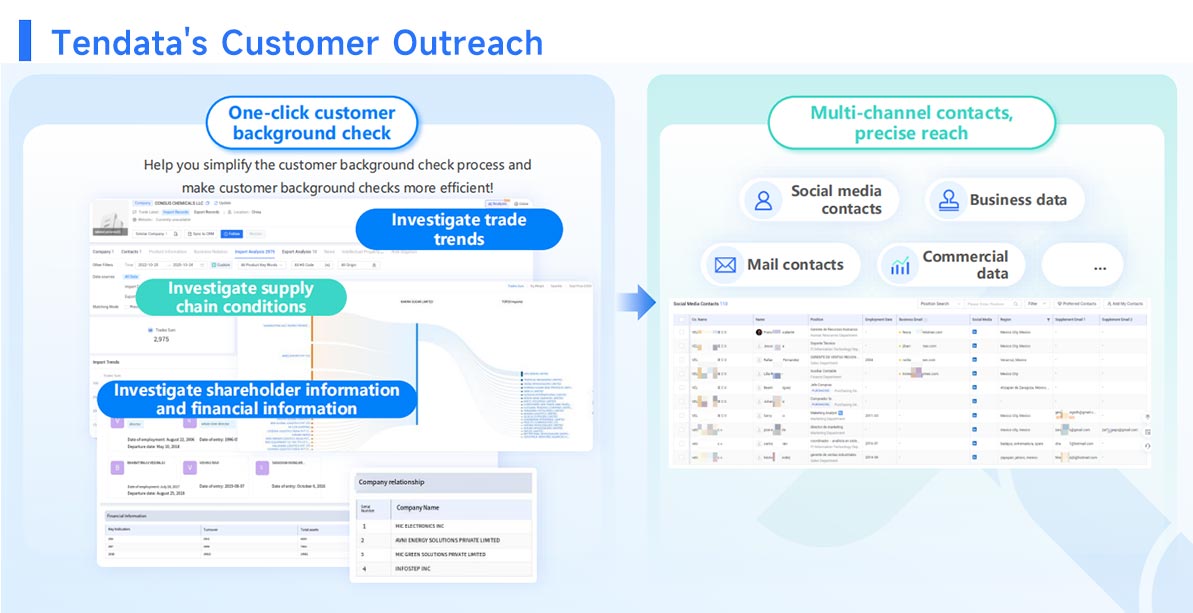
Of course, no tool is perfect, and no platform can cover every single transaction in every country. But based on my experience, platforms like Tendata have already done an excellent job in meeting my key needs. In a market where many trade data platforms are largely similar, choosing one with strong cost performance and comprehensive features has significantly improved my awareness of overseas markets and my response speed. In import and export business, information asymmetry equals profit margins. Being able to continuously, reliably, and efficiently obtain and utilize high-quality trade data puts you ahead of the competition.
Category
Leave Message for Demo Request or Questions